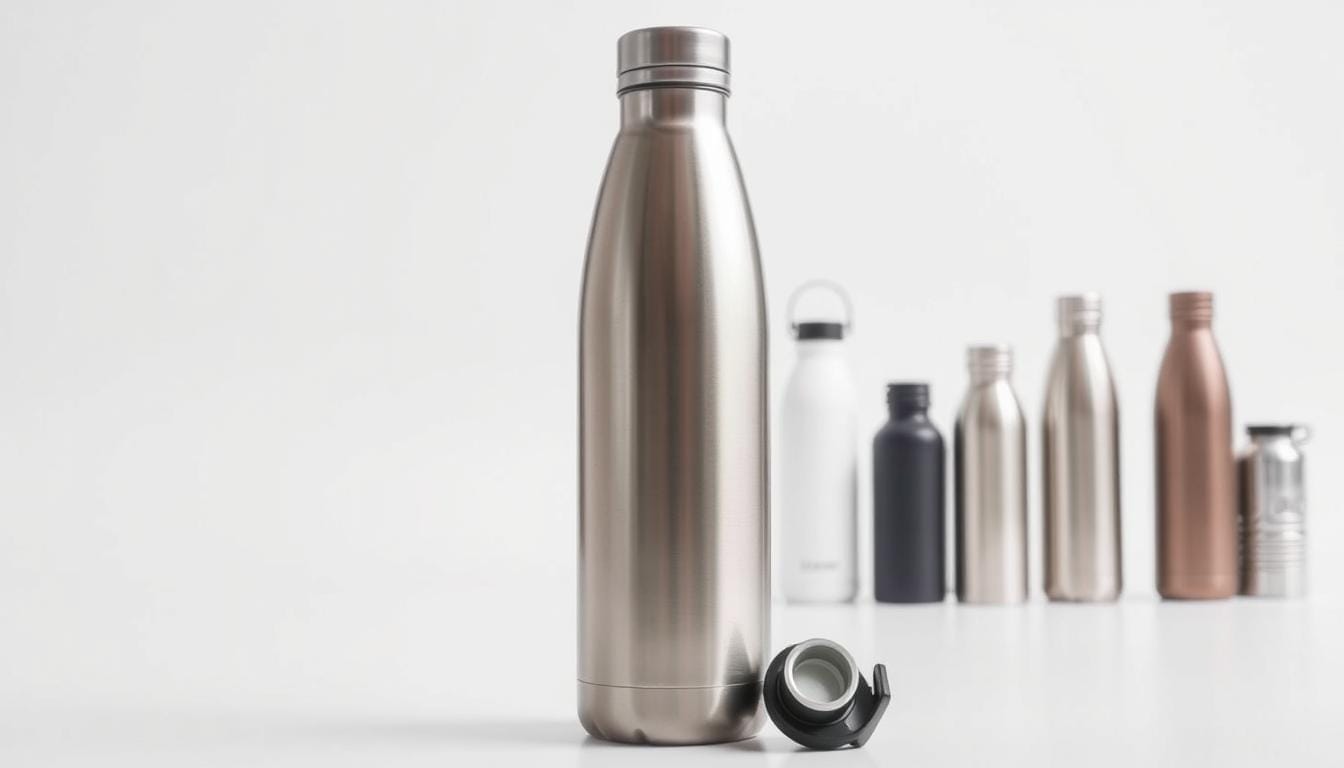
Can one bottle keep ice for a full workday and still fit your car cup holder? That question drives this roundup. It compares rugged models from Coldest, Hydro Flask, CamelBak, Owala, RTIC, and YETI to find practical winners for daily use.
The guide evaluates insulation, cap systems, cup fit, and care. It stresses 18/8 steel, measured cold retention, lid durability, and warranty notes. Readers will learn when a wide-mouth design beats a slim profile.
Expect clear takeaways: measured hours of cold retention, lid types, cup-fit advice, and which products suit commuting, desk work, or field use. Find a concise, expert path to a reusable water option that matches routine and design preferences.
For the full comparison and reviews, visit full comparison and reviews.
Editor’s Top Picks at a Glance
This quick roundup puts top picks side-by-side so readers can match features to routines fast.
Quick highlights: insulation, lid type, cup holder fit, dishwasher safety
Snapshot: Coldest delivers triple-wall insulation and a lifetime warranty. Hydro Flask pairs a wide mouth with a Flex Chug cap and is dishwasher-friendly. CamelBak Chute Mag uses a magnetic cap and strong cold retention.
Best for: gym, commute, hiking, all-day desk hydration
- Coldest — maximum cold retention; great for long days and larger ounces.
- Hydro Flask — versatile sizes and colors; balanced for gym or desk.
- CamelBak — value pick with magnetic cap for easy sip on the move.
- Owala FreeSip — flip-top with lock, dual straw/spout; hand-wash recommended.
- RTIC Journey — tall, slim version fits most cup holder profiles.
- YETI Rambler — rugged chug cap and longer warranty for heavy use.
Sizes, lid types, and warranties are the quick filters people need. Choose by cup holder fit, insulation tier, or dishwasher guidance to match daily use.
Best Overall: The Coldest Bottle for Maximum Cold Retention
Coldest sets the benchmark for long-term cold retention with triple-wall vacuum insulation and 18/8 stainless construction. Tests showed water stayed cold for 28 hours with no ice and lasted over three days when filled about one-third with ice.
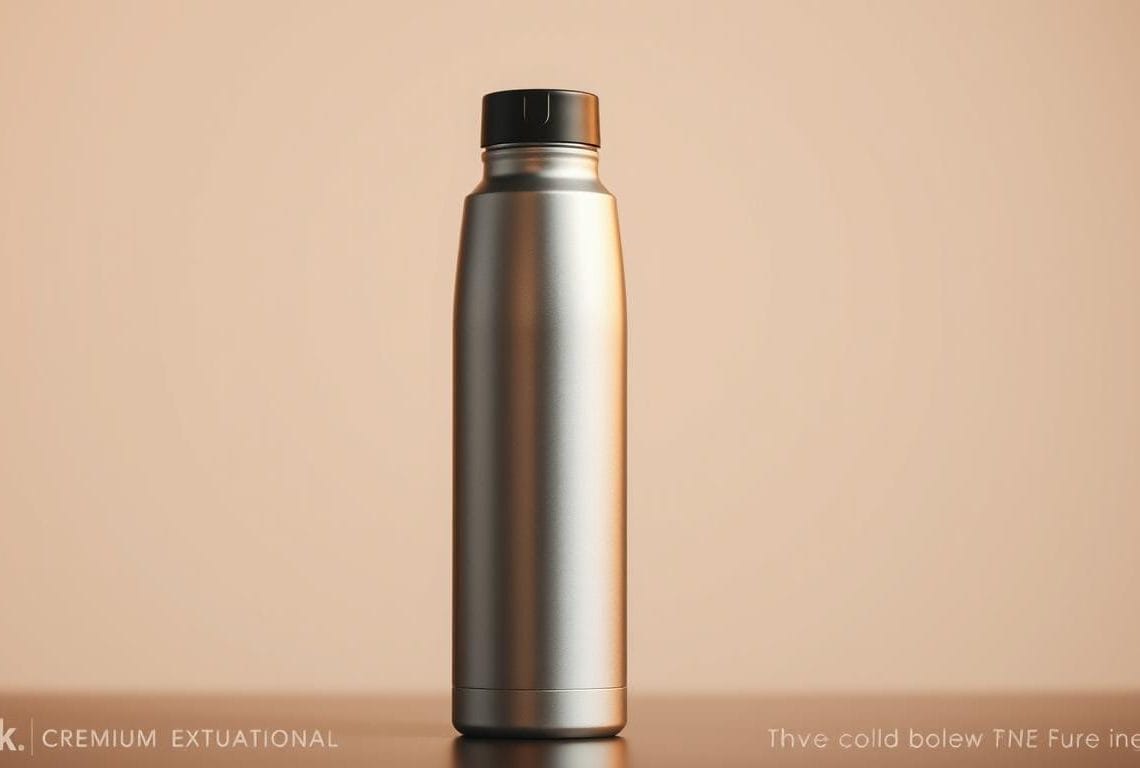
The lid ecosystem is a real advantage: standard caps, a fully insulated straw lid, and secure screw caps that lock down to prevent leaks. Sizes span several ounces so readers can match capacity to carry comfort.
- Insulation: triple-wall vacuum reduces temperature swings over long hours.
- Lids and seals: multiple lids provide flexibility—straws, caps, and leakproof options.
- Design and use: textured finishes and bold colors add grip; hand-wash recommended for longevity.
Practical note: pick a smaller size if you need cup compatibility. The largest formats often won’t fit standard car cups, but they excel when maximum cold retention is the priority.
Most Versatile: Hydro Flask Wide Mouth with Flex Chug Cap
For users who need one versatile companion from desk to gym, Hydro Flask’s wide mouth and Flex Chug cap simplify the day.

The wide-mouth Hydro Flask uses double-walled 18/8 construction and a powder-coated exterior to protect finish and help temperature retention. The company calls the product dishwasher-safe, though the guidance favors hand-washing to extend color and coating life.
The Flex Chug cap covers the drink surface and adds a slim spout for easier drinking while the lid ecosystem — Flex Cap, Flex Sip, and Flex Straw — lets users swap styles for hot drinks, hands-free sips, or quick chugs.
- Fill and refill: wide mouth accepts large ice and speeds topping up.
- Cap options: switch lids to match training, commuting, or desk use.
- Durability and warranty: solid body resists dings; Wirecutter notes reliability and Hydro Flask offers a limited lifetime warranty.
Sizes span compact to large ounces options, and BPA-free plastic parts seal cleanly. If pricing tracks competitors, the wide mouth’s lid versatility and color options can tip the choice for many buyers.
Best Value: CamelBak Chute Mag with Magnetic Cap
CamelBak’s Chute Mag pairs a clever magnetic cap with a practical design that suits long days and tight budgets.

The magnetic cap parks neatly while you sip, keeping the opening clear and your hand free. The reinforced plastic lid feels durable and resists wear from regular use.
Insulation performance is noteworthy: reported cold retention meets or exceeds 36 hours, while heat holds for about eight hours. A 40-ounce model sells near $36 and includes a lifetime guarantee — a clear value proposition.
- Cap and opening: magnetic park feature prevents loose caps from getting in the way.
- Durability: rigid plastic lid plus a hard steel body that stands up to daily knocks.
- Care: bottle is generally dishwasher-safe, but inspect and hand-clean small parts and any straw components.
Some users need a bit of time to learn the opening mechanism. Large sizes may not fit every cup holder, so pick a size for your commute. Add ice to extend hours on hot days and test how long it keeps water chilled for your routine.
Best Dual-Mode Straw: Owala FreeSip Flip-Top
Owala’s FreeSip flips the lid design by combining a built-in straw and a swig spout under a locking flip-top cap.
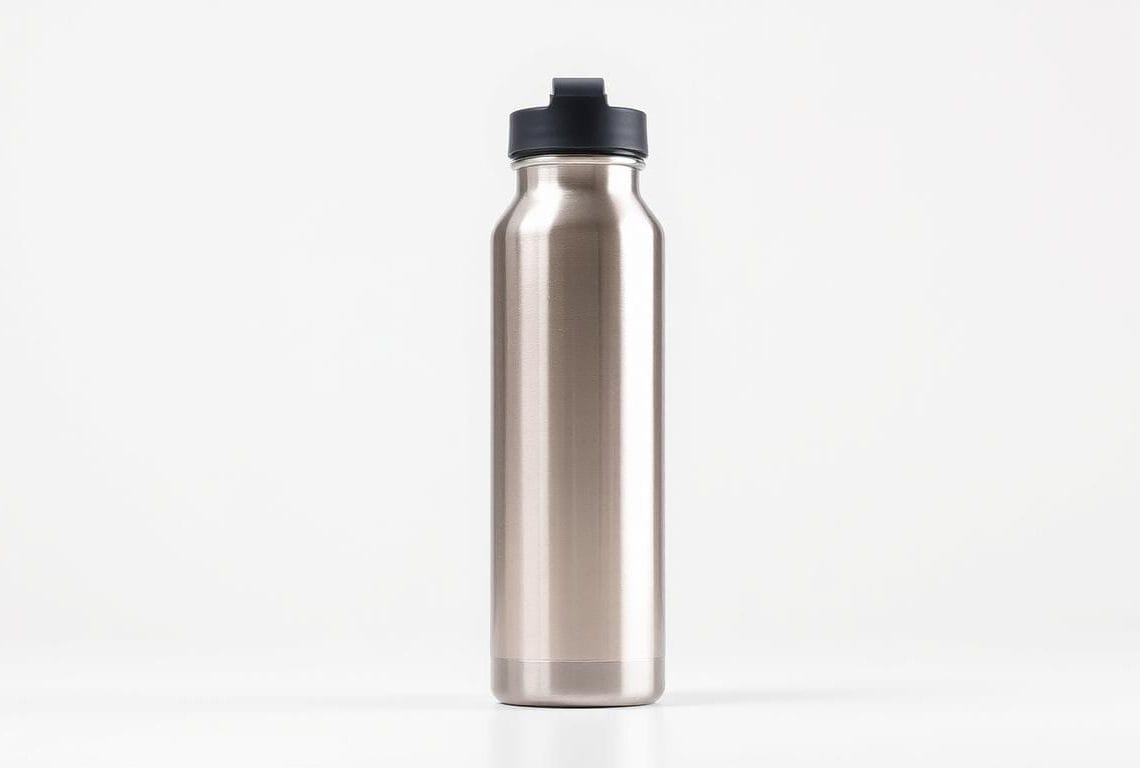
The dual-path opening means users can sip steadily through the straw or take a faster swig without swapping parts. The flip-top locks, and the handle folds to secure the button—helpful when bottles travel in bags.
Performance: the FreeSip keeps drinks cold through a typical workday, but it is intended for cold use only. Hand-wash the lid and straw to avoid trapped moisture and preserve the plastic parts.
- Two drinking modes: straw for steady sipping; swig spout for quick drinking.
- Secure lid: locking flip-top reduces accidental opening and controls leaks on the move.
- Design and options: bold colors, multiple ounces available, and a folding handle for quick grabs.
The cap and lid assembly feels robust for a flip system. After a bit of use the straw action becomes intuitive, improving the overall drinking experience for desk or travel routines.
Best Cup Holder Fit and Clean Taste: RTIC Journey (Ceramic Lined)
For drivers who value a neutral sip and a secure fit, the RTIC Journey targets both needs. The 26 oz model retails near $30 and pairs 18/8 stainless with a ceramic lining to cut metallic aftertaste.
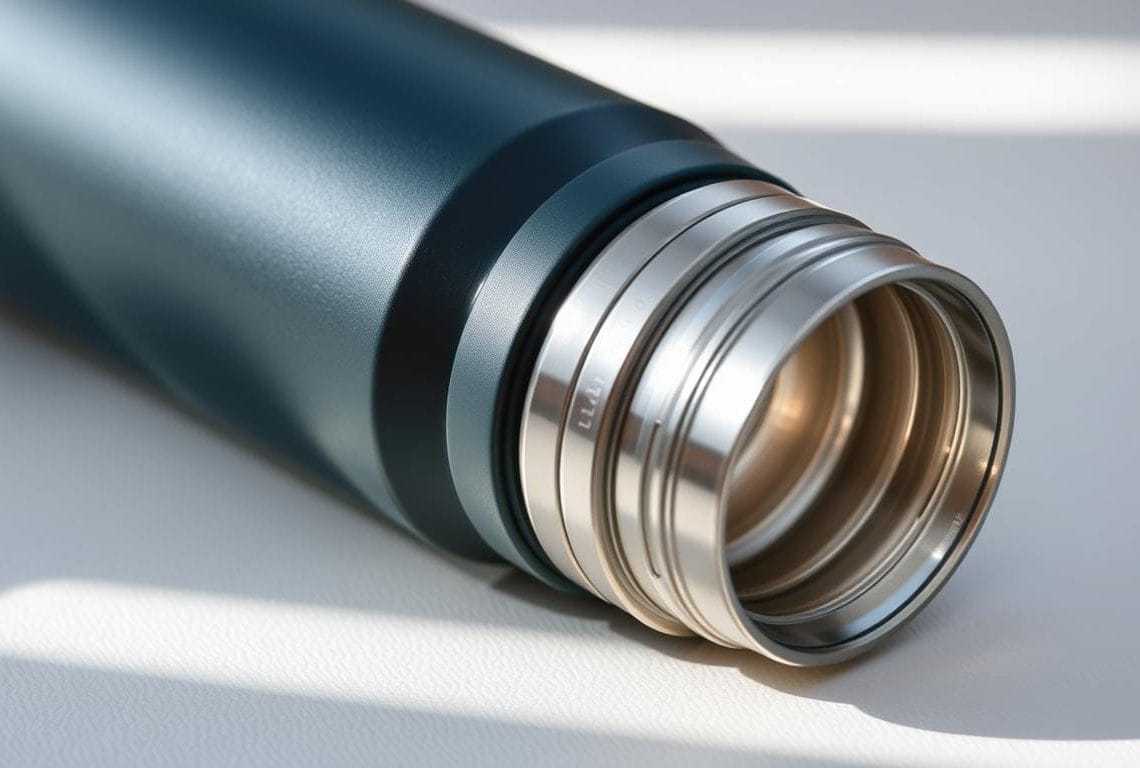
Performance: testing recorded about 42 hours of cold retention without ice — exceptional for this compact profile. The bottle is purpose-built for cold use and is not intended for hot drinks.
Fit and carry: the tall, slim design reliably fits most car cup holders and fits cup profiles well. A MetaLoop handle gives a stable grab point when reaching into a console.
- Taste and lining: ceramic interior reduces metal contact for cleaner refills.
- Seal and lid: the lid seals well, encouraging frequent in-and-out use during commutes.
- Care and build: dishwasher-safe, BPA/lead-free, with a rugged steel shell and a 90-day warranty.
In short, this one design solves the common fit problem without sacrificing cold retention. It suits drivers and desk users who want neutral-tasting water and a cup-friendly form factor.
Most Durable Build: YETI Rambler with Chug Cap
YETI’s Rambler prioritizes ruggedness and a secure Chug Cap for users who demand a single reliable container on the go.
The Rambler uses double-wall vacuum insulation and thick walls that resist dents and hold temperature over time. In practice, ice can last up to 24 hours and many report that water stays cold for days; hot retention sits near eight hours.
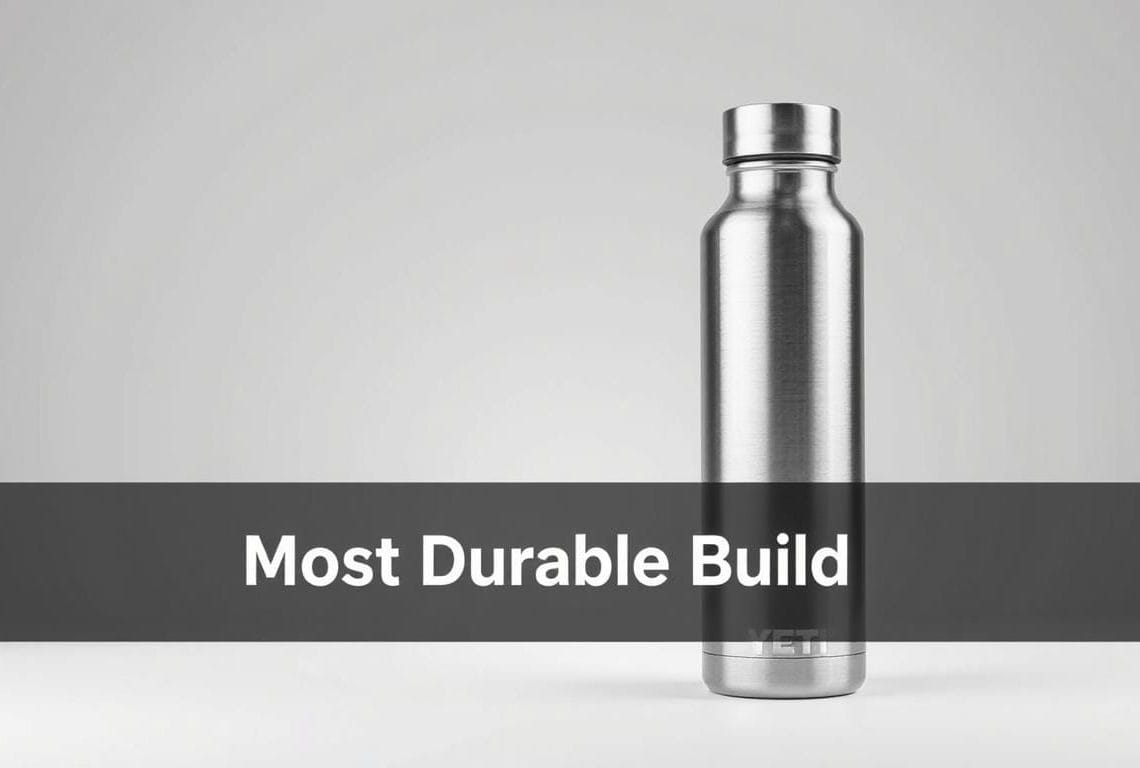
The Chug Cap seals tightly for confident transport and enables controlled pours without fully exposing the mouth. Threads are engineered to resist cross-threading and the lid assembly tolerates rough handling.
- Construction: heavier build trades weight for impact resistance and stability.
- Care: dishwasher-safe — but inspect plastic parts after cycles to keep seals reliable.
- Options: comes in multiple sizes (18–64 ounces) and colors to match carry needs.
Note: check cup fit before choosing larger sizes — the Rambler excels in durability and consistent performance across products, but larger formats may not sit in every console.
best stainless steel water bottle Buyer’s Guide
Practical buyers focus on three things: how well a bottle holds temperature, the metal grade, and the cap system. Start by matching these to daily needs—commute, gym, or desk use.

Insulation basics: double-wall, vacuum, and triple-wall differences
Double-wall vacuum insulation is the standard: it creates an airless gap that slows heat transfer. This type of insulation works well for most users.
Triple-wall builds add another barrier and can extend cold retention—useful if long hours of chilled water matter.
Cold vs hot: realistic hour expectations in everyday use
Expect roughly 24 hours cold from many premium models and about half that for hot liquids. Hydro Flask lists ~24 hours cold / ~12 hours hot as a practical benchmark.
Premium products like Coldest and RTIC have verified longer cold hours when filled with ice and kept sealed.
Steel quality: 18/8 stainless steel and taste neutrality
Choose 18/8 (304) stainless for corrosion resistance and neutral taste. That grade resists pitting and keeps refills tasting clean compared with lower-grade metals.
Note: lids and straw systems often use BPA-free plastic—hand-washing preserves seals and extends component life.
- Compare ounces: larger capacity means more weight; match size to how you carry the bottle.
- Cap type matters: lids affect leak control, flow rate, and cleaning complexity.
- Measure for your routine: track your own hours—environment and use change real-world results.
Wide Mouth vs Standard Mouth: Drinking Feel, Ice, and Refills
Choosing between a wide mouth and a standard mouth shapes daily refill speed, spill control, and how easy it is to clean the interior.
Wide-mouth designs make adding ice and mixing drinks fast. Big cubes slide in without jamming, and topping off at a fountain is quicker. The Hydro Flask Wide Mouth with Flex Chug Cap pairs that access with a slim spout that keeps the drink surface cleaner.
Ease of adding ice and cleaning access
Wide openings give full brush access and simplify rinsing out residue from mixes. Standard mouths hide narrow rims that can trap debris, so they sometimes need more focused scrubbing.
Drinkability on the move and spill control
Standard openings often mimic a glass-like rim and can reduce splashes while driving or walking. Wide mouths feel faster to drink from but depend on the chosen lid: a chug cap or straw can restore control.
- Refill speed: wide mouth wins for ice and ounces at refill stations.
- Spill risk: standard mouth may help prevent splashes while drinking on the move.
- Care: lids with plastic parts need gentle cleaning to avoid buildup.
Lids, Caps, and Straws: Find the Right Drinking Experience
Choosing the right lid changes how you drink, clean, and carry a reusable bottle each day.
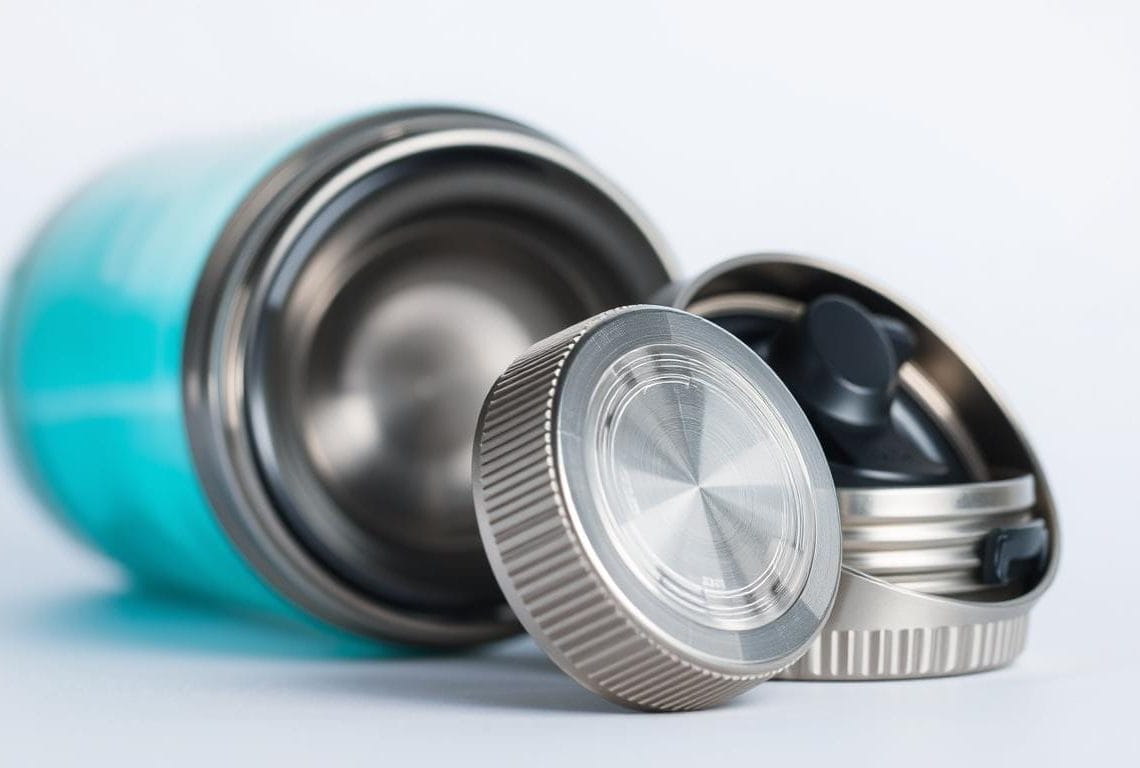
Hydro Flask supports a clear ecosystem: the Flex Chug narrows flow on a wide mouth, the Flex Cap is a simple workhorse, the Flex Sip suits hot drinks, and the Flex Straw aids hands-busy sips. Note: reviewers found the Flex Straw fiddly and prone to light leaks.
CamelBak’s magnetic cap keeps the opening clear. Owala’s FreeSip locks its flip top and offers dual-mode drinking to reduce spills in transit. Silicone rings in many lids are critical—misalignment after cleaning causes leaks more often than worn threads.
- Care trade-off: straw systems add convenience but require brushes and a quick hand check of valves.
- Seal tips: inspect gaskets and align silicone rings after washing to avoid surprises.
- Practical pick: for driving, pick a cap that opens one-handed and seals reliably to cut spill risk.
Match the opening to your style: controlled mouth sips, wider openings for gulps, and a straw when tilting isn’t practical. A small cleaning routine keeps plastic parts fit against stainless steel threads and preserves performance for years of drinking.
Cup Holder Compatibility: What Actually Fits in the Car
Drivers want a bottle that stays put — and that starts with base geometry, not marketing ounces.
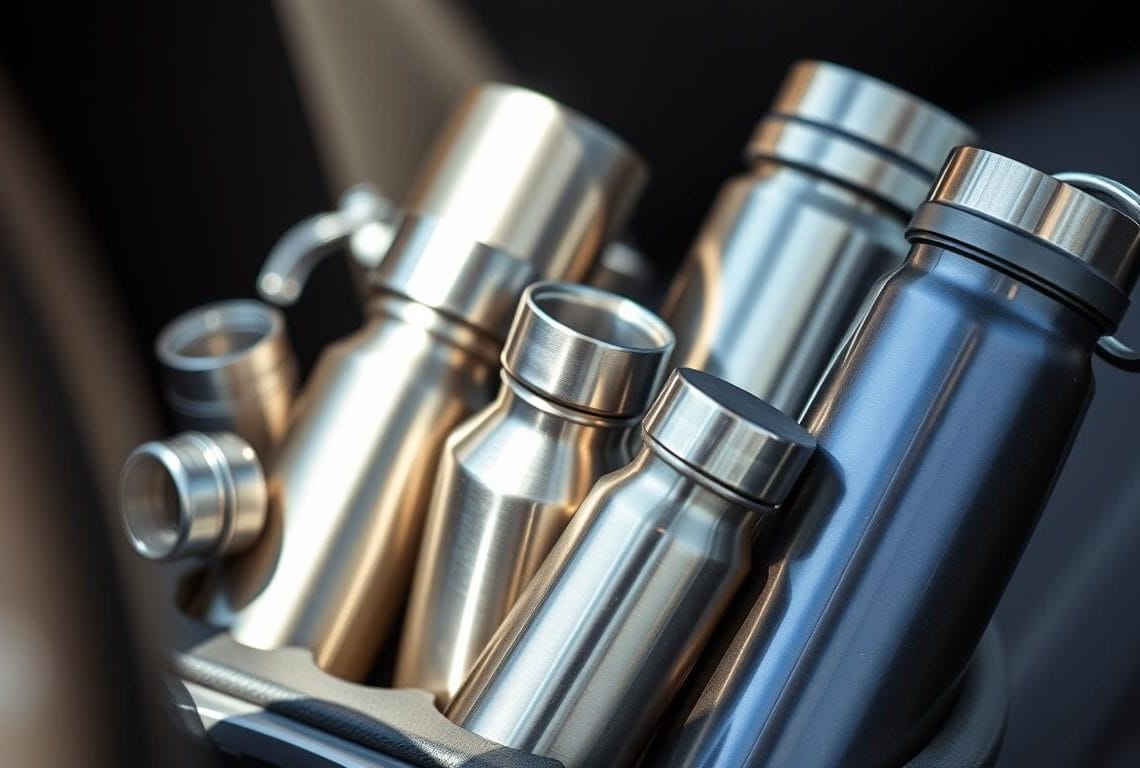
The RTIC Journey shows why tall-and-slim design matters: its narrow base was engineered to fit a typical cup holder and fits cup profiles reliably. Many larger Hydro Flask, YETI, Coldest, and Owala models have wide bases that may not sit secure in a car.
Tall-and-slim vs wide base designs
Focus on base diameter first. A slim footprint reduces roll and improves reach while belted.
- Pick a smaller size for driving: reserve larger sizes for the desk or cooler storage.
- Handles and loops: aid retrieval from tight consoles but don’t change base fit.
- Straw and one-handed use: confirm the lid lets you sip safely without compromising closure.
- Measure, don’t guess: brand ounces vary; check actual dimensions to predict fit.
Pro tip: plastic accent parts can catch on console edges—choose a clean exterior if your car cup cutout is tight. A stable bottle in the cup reduces spills and keeps hydration accessible on the road.
Dishwasher-Safe vs Hand-Wash: Care, Coatings, and Longevity
Dishwasher labels tell half the story — practical care keeps parts working and colors vivid. Brands like Hydro Flask and YETI list many models as dishwasher-safe. RTIC also marks some lines safe for racks. Owala’s FreeSip and Coldest advise hand care for lids and coated finishes.
Powder coat durability and color retention
Powder-coat finishes add grip and resist scratches. To keep color and texture, avoid abrasive pads and hot, aggressive cycles.
Tip: light detergent and air drying preserve finish and the outer design longer.
When “dishwasher-safe” still benefits from hand-washing
High heat and repeated runs age gaskets, plastic valves, and straw parts faster than a gentle hand wash.
- Protect seals: inspect and re-seat silicone rings after cleaning.
- Deep clean weekly: mild soap or a baking soda soak removes lingering flavors.
- Dry quickly: steel threads and interiors last longer when dried promptly.
Practical note: use a light dishwasher cycle sparingly and check parts often. For guidance on atypical fillings, see carbonated drink guidance.
Sizes and Ounces: How Much Water You’ll Really Drink in a Day
Pick a capacity that matches how often you want to refill — then choose for carry comfort.
Brands offer wide ranges: YETI spans 18–64 ounces and Hydro Flask covers roughly 24–64 ounces. Larger sizes cut refill trips but add noticeable weight and bulk.
Many people find a mid-size option balances portability and intake for a standard workday. For desk-heavy days, a larger choice reduces interruptions. For active commutes, a lighter carry improves mobility.
Wide mouth designs make big-ice loading easier and extend cold time, while a standard mouth can feel more natural for sipping and refilling at a sink.
- Estimate needs: count daily refills for a week, then match ounces to that cadence.
- Practical split: keep a compact bottle for the commute and a larger one at your desk.
- Watch dimensions: ounce labels vary by brand — verify actual size and weight before buying.
Note: some caps require two hands to remove — see this Wirecutter note when you evaluate lids and mouth style.
Weight, Handles, and Portability: Carry Comfort Over Time
How a handle feels after hours of use matters more than promotional ounces on the label. Hydro Flask aims for lighter builds at the same size, while YETI favors durability and a heavier feel. RTIC’s MetaLoop handle shows how a well-placed loop helps carry across a jobsite or between stops.
People who walk long routes should balance ounces with weight: a mid-size water bottle often reduces fatigue without adding frequent refill stops. Textured coatings and shaped handles improve grip when hands are wet or gloved.
Practical cues: choose a sturdy attachment point to prevent drops and favor loops that sit flat in a pack. A two-bottle approach works well: a small carry bottle for travel and a larger one staged where you work.
- Carry comfort: a strong handle makes heavy loads manageable over time.
- Car and retrieval: pick a size and design that sits securely and is easy to grab while driving.
- Long walks: slimmer profiles save weight and fit pack pockets for quick access.
Conclusion: the most portable design is the one people actually take. Match handle, weight, and size to your routine and you’ll keep hydrated without strain.
Durability and Warranty: Build, Dents, and Brand Support
A solid build and clear warranty terms matter as much as insulation when a product is used every day.
Brands vary in coverage and toughness. Hydro Flask offers a limited lifetime warranty. YETI backs the Rambler for five years. CamelBak and Coldest advertise lifetime support. RTIC’s Journey has a 90-day warranty.
Practical durability notes: heavier designs like YETI resist dents and impact but add carry weight. Powder-coated finishes protect finish and improve grip through a long day. Plastic parts—caps, rings, valves—often wear first and may sit outside dent coverage.
What to inspect and keep
- Assess build: thickness and cap threads matter for drops and leaks.
- Warranty range: lifetime (Coldest, CamelBak), limited lifetime (Hydro Flask), fixed-term (YETI 5 years, RTIC 90 days).
- Service tip: keep purchase records—brands usually require proof to process claims.
Match expected use to coverage: rough sites need impact resistance and easy parts replacement; office days favor lighter products with solid caps for leak protection.
Hot Beverages vs Ice Water: Safety Notes and Performance
Switching between hot drinks and ice-filled cold drinks changes how a bottle performs and how you care for it.
Many models handle both, but not all lids and seals tolerate heat. For example, the Owala FreeSip is designed for cold only; using hot beverages in that design risks seal damage and burns.
Hydro Flask and similar vacuum designs often claim roughly 12 hours for hot pours while cold performance varies by size and lid. A controlled mouth or chug cap reduces steam exposure and makes safe drinking on the move easier.
- Verify hot compatibility: some containers are cold-only—hot liquids can warp gaskets or cause leaks.
- Ice management: larger cubes melt slower and extend cold hours; wide mouths speed loading.
- Straw caution: straw tops suit cold liquids—avoid them with hot drinks to prevent burns.
- Seal care: inspect gaskets after hot washes and remove filters before cleaning to avoid damage.
Track temperature changes for your setup—opening frequency and environment shift real-world results. Clean thoroughly when switching between hot and cold to prevent off-taste and gasket fatigue.
Where to Buy Today: Current Prices, Colors, and Availability
Price, color, and cap options vary by retailer—confirm the exact ounces and cap style before completing a purchase.
Many models appear on Amazon and on brand sites. Typical price points right now: Coldest ~$40 (32 oz), Hydro Flask ~$45 (32 oz), CamelBak Chute Mag ~$36 (40 oz), Owala FreeSip ~$35, RTIC Journey $30 (26 oz), YETI Rambler ~$40 (26 oz).
Tip: seasonal colors and limited-run versions often sell out. People who commute should pick sellers with fast shipping and clear return policies to test cup-fit at home.
- Confirm details: verify ounces and cap or straw configuration on the product page.
- Look for bundles: extra caps, spare gaskets, or a cleaning kit can add value.
- Choose in-stock colors: if you need a unit the same day, select available finishes instead of waiting.
- Measure base: confirm base diameter if car carry matters—slim versions vary by product.
- Check warranty: ensure retailer terms match manufacturer coverage for simpler service.
Make Your Pick with Confidence: Our Final Take for the Present
Focus on fit, flow, and hours of cold retention—those three decide if a pick works in your day.
Quick guide: Coldest and RTIC Journey lead on cold retention; Hydro Flask wins for lid options and overall versatility; YETI Rambler trades weight for ruggedness. CamelBak Chute Mag is a high-value choice and Owala FreeSip suits straw-driven, cold-only use.
Match ounces and carry style to real routines. People who walk a lot need lighter gear; drivers should check base fit. For full comparisons and model details, see the best stainless steel water bottles guide.
Make a selection today with confidence—pick the one you will actually use, maintain it, and the reusable water tool will reward you across time and experience.