Question: Can a kitchen-ready metal keep its mirror-like shine with just a little care, or will everyday wear turn a favorite piece dull?
Stainless steel jewelry and household items are prized for durability and low upkeep. High-quality alloys contain about 10.5% chromium and small carbon levels, often blended with nickel or titanium to boost performance.
This guide answers the common question clearly and practically: why this material resists corrosion and when surface films or discoloration can appear. Readers will learn simple monthly cleaning and safe storage habits that preserve the shine of a watch, a ring, or a cookware piece.
Quick preview: expect step-by-step cleaning, prevention tips around pools and household chemicals, and comparisons to gold and silver care. No specialist tools are required—just reliable advice for busy homeowners and metal workers seeking professional-level results.
Quick Answer: Does Stainless Steel Tarnish?
The short answer hinges on chemistry: a thin, invisible chromium oxide film forms instantly and protects the surface from air and moisture.
What that means for everyday items: high-quality stainless steel rarely loses its finish under normal wear. Most so-called tarnish is actually dirt, skin oils, or mineral spots left by water. Simple care often restores the original look.
- Short answer: the chromium oxide layer self-repairs and limits true corrosion.
- Avoid prolonged exposure to chlorinated pools, strong cleaners, or salty environments; they can weaken the passive film over time.
- After contact with water, rinse and dry rings, watches, and other steel jewelry promptly to prevent mineral buildup.
Resistance is strong but not absolute: alloy grade, environment, and handling matter. When discoloration appears, gentle cleaning with mild soap and a soft cloth usually brings back the shine without professional help.
What Stainless Steel Is: Composition, Chromium, and the Protective Layer
At the heart of long-lasting finishes is a microscopic oxide film formed the moment metal meets air.
Basic composition: this material is an iron-based alloy that contains at least 10.5% chromium and up to 1.2% carbon. That chromium reacts with oxygen to build a thin chromium oxide layer that shields the surface from corrosion and common discoloration.
The passive film reforms naturally when scratched, so long as the environment supplies oxygen. This layer is microscopic but powerful: it explains why rings, flatware, and appliances resist decay under normal use.
https://www.youtube.com/watch?v=r09sTICyY0o
- Nickel — stabilizes structure and improves finish for jewelry and household items.
- Molybdenum — boosts resistance to chloride attack, useful in marine settings.
- Titanium — adds strength and helps corrosion performance in specialized grades.
Alloy content and processing determine the best applications: kitchen gear, marine fittings, and stainless steel jewelry each use tailored mixes. Hypoallergenic behavior varies by grade; lower-nickel options can reduce skin reactions. For care, avoid harsh abrasion—protect the thin top layer to keep the surface bright.
Learn more about how water and pools affect finishes at stainless in water.
Tarnish vs. Rust vs. Dirt: Knowing the Difference
Distinguishing simple grime from true corrosion saves time and prevents damage. A dull film on jewelry or cookware often sits on the outermost layer and is easy to remove.
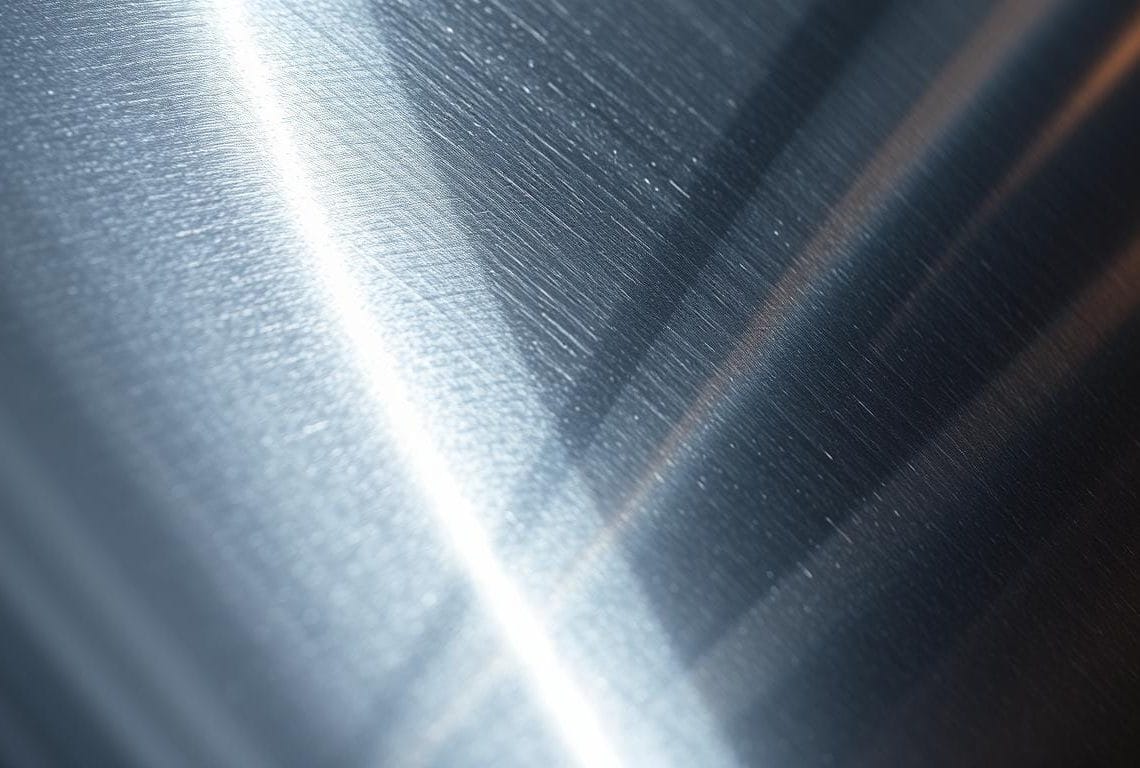
Tarnish (surface film): a thin patina or discoloration that dulls luster. It affects only the top layer and usually responds to mild cleaning.
Rust (active corrosion): a deeper reaction that attacks iron and weakens the item. High-quality stainless steel resists this because its chromium oxide layer blocks oxygen and moisture.
- Many marks are residues—cooking oils, fingerprints, or hard-water minerals—that wipe away with soap and water.
- Patina can be desirable on some metals, but owners seeking shine can restore it with gentle polishing.
- If discoloration returns quickly, reassess exposure to salt, cleaners, or repeated handling over time.
- Simple test: a soft wipe with mild detergent. If the mark improves, it is likely film or dirt—not structural corrosion.
Correct identification prevents over-aggressive methods that scratch the surface. When in doubt, choose gentle cleaning and inspect regularly to keep metals and jewelry looking their best.
Grades Matter: 304 vs. 316 and Other Stainless Steel Grades
Grade selection affects how metals stand up to salt, chemicals, and constant moisture. Choosing the right alloy reduces the chance of surface discoloration and keeps items looking like new.
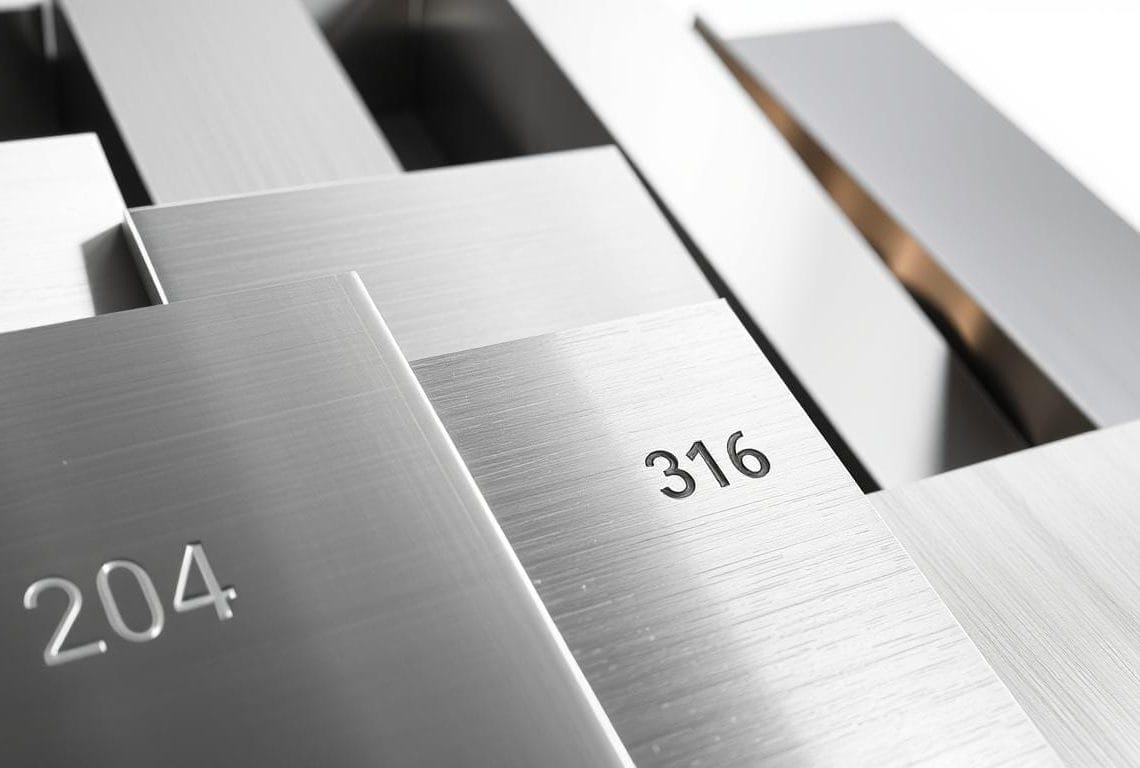
- Grade 304: common in kitchens and appliances — versatile with solid corrosion resistance for everyday use.
- Grade 316: includes molybdenum for superior chloride resistance — ideal near pools, coasts, or where de-icing salts appear.
- Picking the correct grade improves long-term appearance and cuts down on tarnish-like films from harsh environments.
Consider how often an item meets water, cleaners, or food acids when choosing by grade. Some alloys handle chemicals better; others focus on formability or strength.
Practical tip: Verify alloy content when buying—clear documentation sets proper care expectations. Even top grades need avoidance of prolonged chemical exposure to minimize the risk of surface discoloration.
When Stainless Can Discolor: Real-World Factors That Break the Passive Layer
Everyday knocks, cleaners, and sweat can chip away at the metal’s protective film over time. The chromium oxide layer is thin — it shields the surface but can be compromised by routine wear and harsh contact.
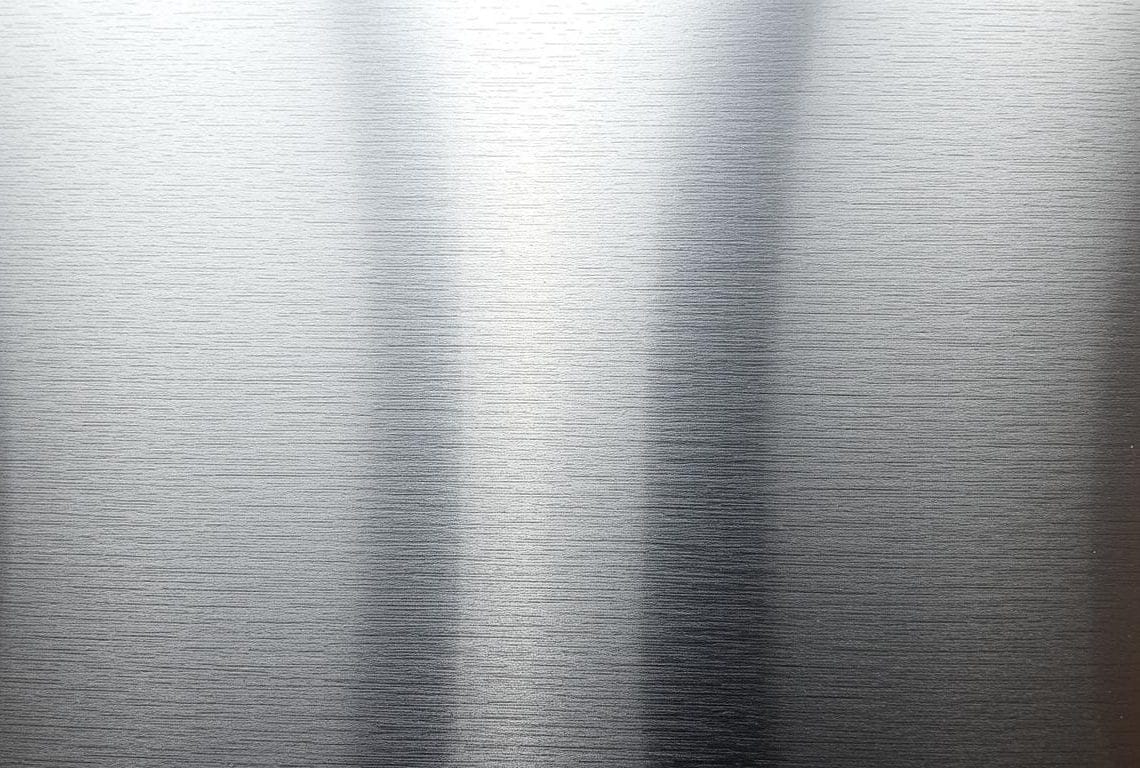
- Scratches and knocks open pathways for oxygen and contaminants to reach underlying metal.
- High humidity and repeated contact with water—especially salt or mineral-rich water—leave films or start localized corrosion.
- Harsh household chemicals, such as bleach and ammonia, degrade the protective layer faster than mild detergents.
Skin oils, lotions, and sweat build up over time. Routine wipe-downs prevent residues that dull jewelry or appliances.
Avoid steel wool or heavy abrasives; they roughen the surface and make future films more likely. In coastal or industrial settings, airborne salts raise exposure risk—rinse and dry after contact.
Practical tip: schedule simple inspections of high-touch areas and clean daily-worn jewelry with mild soap and water, then dry fully to preserve the protective layer. For guidance on water exposure, see stainless steel wet.
Stainless Steel in Daily Life: Kitchen, Industrial Uses, and Jewelry
Households, workshops, and jewelry boxes all rely on this alloy for lasting performance.
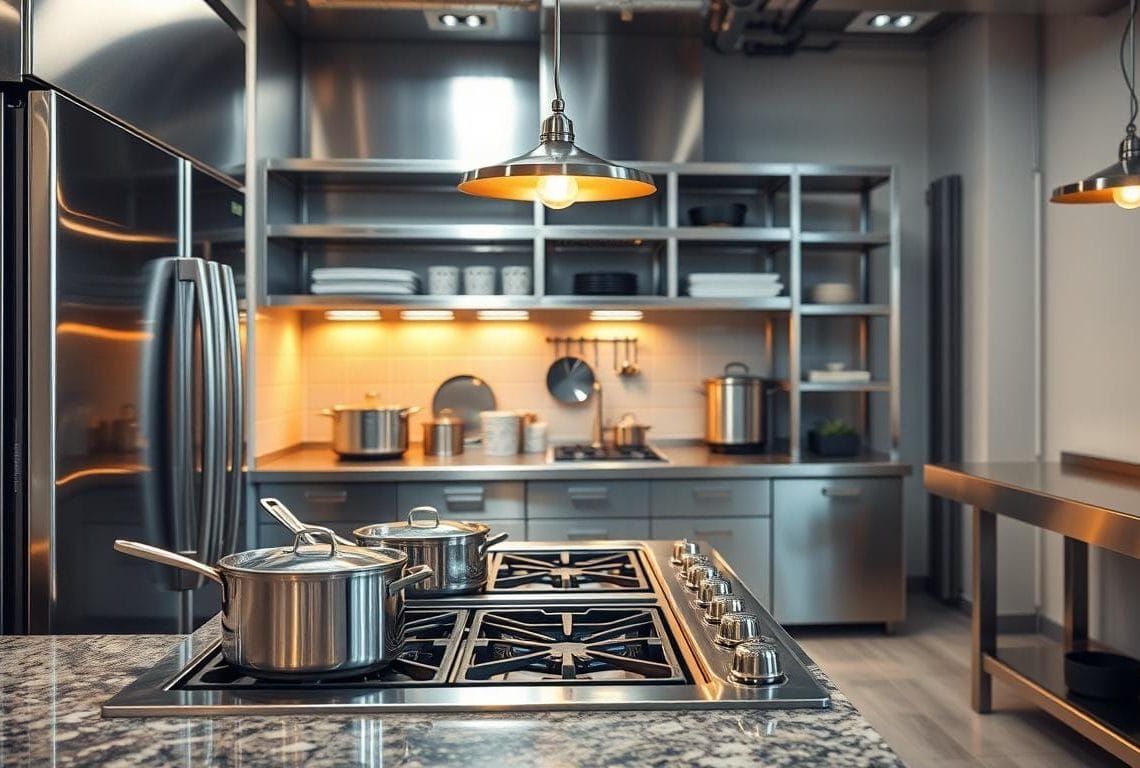
Everyday roles: in the kitchen it keeps surfaces sanitary and cleans easily. Commercial settings use the metal for durable equipment that resists heavy wear. Designers favor it for affordable luxury that echoes silver and gold looks.
For personal accessories, the same traits make it ideal for bracelets, necklaces, rings, and earrings. Many owners choose stainless steel jewelry or steel jewelry for low upkeep and a modern look.
- Kitchens: hygiene, easy cleaning, and appliance longevity.
- Industrial: strength and corrosion resistance in harsh tasks.
- Jewelry: multiple finishes—brushed, matte, engraved, or glossy—expand design and style options.
Compared to silver or gold, this material needs less frequent polishing. A soft cloth, mild cleaner, and quick drying keep appliances and wearable pieces in top condition.
Is Stainless Steel Jewelry a Good Choice?
For everyday wear, alloyed jewelry combines resilience with straightforward upkeep that fits a busy routine.
Overview: stainless steel jewelry offers strong scratch resistance and resists rust when the chromium layer is cared for. It suits rings, earrings, and many fashion pieces that see daily contact.
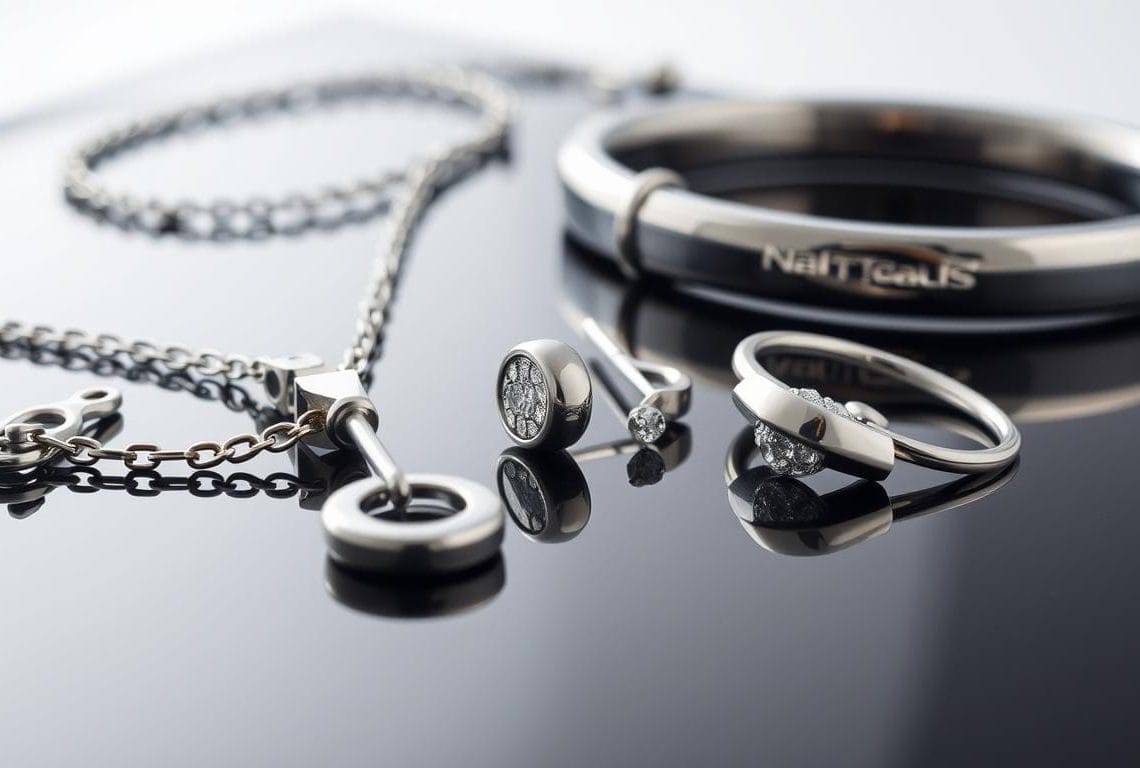
Durability, style, and low maintenance
This is a practical choice for anyone who wants long-lasting pieces without frequent polishing.
- Daily wear ready: resists dents and scratches better than many precious metals.
- Low maintenance: simple soap-and-water cleaning is typically enough.
- Style range: from minimalist chains to bold statement designs.
Hypoallergenic notes and quality
Many alloys are hypoallergenic, but some include nickel. Buyers with sensitive skin should verify alloy info and pick high-quality brands to limit irritation.
- Check documented grades for better quality assurance.
- Prefer smooth finishes for comfort and easier maintenance.
- Quality sourcing reduces the risk of skin reactions and premature wear.
How Water, Pools, and Sweat Affect Stainless Steel Surfaces and Jewelry
Not all liquids behave the same: tap water and rain rarely harm metal finishes, but chlorinated pools and sulfur baths can dull or corrode over time. Fresh water generally poses low risk, while saltwater and mineral-rich tap water may leave visible deposits.
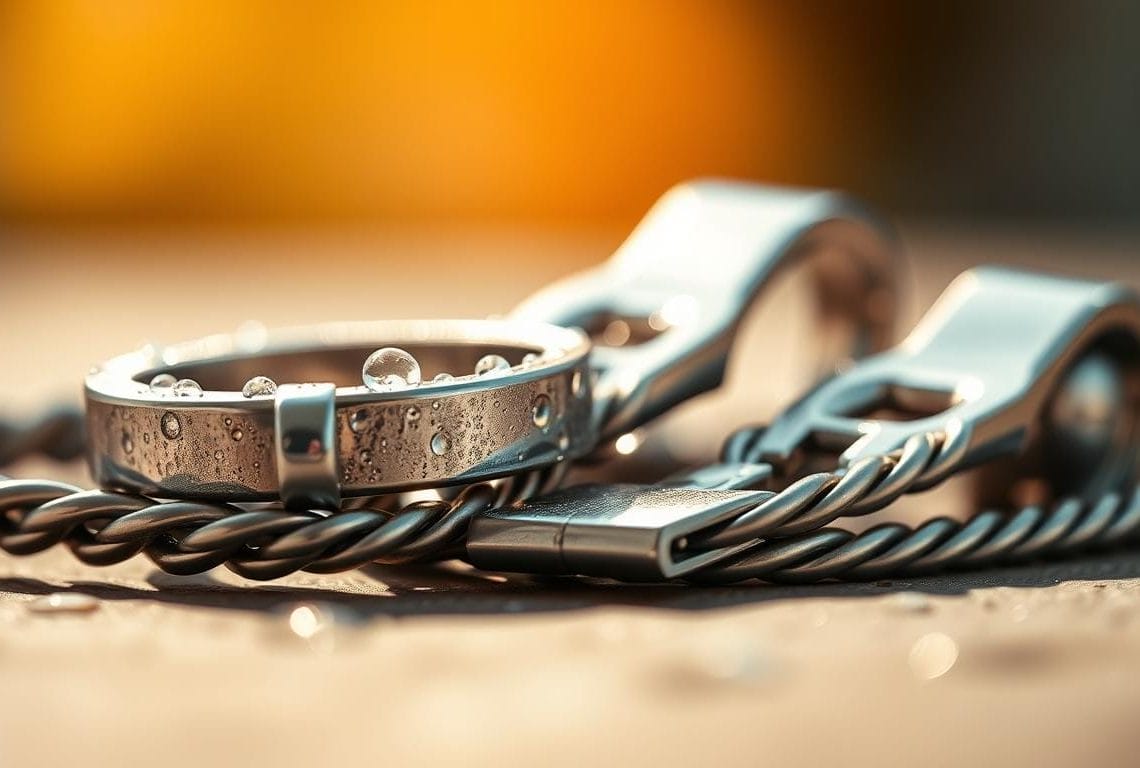
Daily contact with skin oils and sweat creates a thin film that reduces shine. Periodic cleaning prevents buildup and limits long-term wear on rings and bracelets.
- Tap water: usually safe — rinse and dry to avoid mineral marks.
- Chlorine and strong chemicals: remove jewelry before swimming or baths to protect finishes.
- Sweat and oils: wipe with a soft cloth after heavy activity to restore luster.
- Frequent swimmers: rotate pieces and clean weekly to maintain consistent appearance.
- If discoloration appears: try gentle soap-and-water first—abrasives often make problems worse.
Quick rule: after any chemical or pool exposure, rinse promptly and pat dry with a soft cloth. This simple habit preserves shine and extends the life of both stainless steel jewelry and steel jewelry.
Products and Tools to Avoid on Stainless Steel
Some common cleaning items actually harm the finish faster than wear or time.
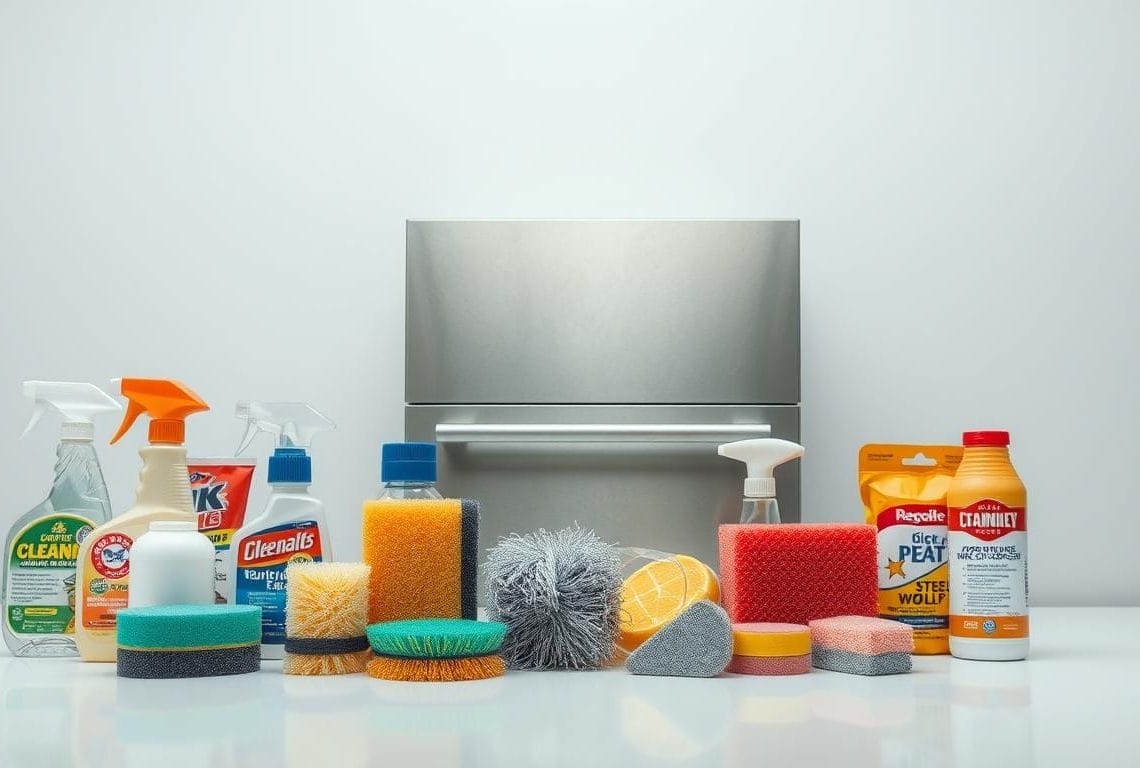
Risk summary: harsh products and coarse tools break down the protective layer and create tiny scratches. Those micro-marks hold residue and speed discoloration.
- Skip bleach and ammonia — these chemicals eat at the passive layer and can cause pitting.
- Avoid abrasive pads and steel wool — they leave micro-scratches that trap dirt and make future cleaning harder.
- Do not use paper towels or whitening toothpaste — both can mar a polished surface; many treated polishing cloths are too aggressive, too.
For jewelry care, including pieces marketed as stainless steel jewelry or mass-market steel jewelry, follow gentle methods: mild detergent, warm water, and a soft microfiber cloth.
- When unsure, test a small, hidden area before full use.
- A soft cloth and mild soap handle most jobs safely.
- Avoid harsh silver dips unless the product label specifies it is safe for this metal.
Everyday Prevention: Low-Maintenance Care to Keep the Shine
A few small routines prevent films and marks from taking hold on jewelry and appliances. Focus on simple, repeatable steps that take minutes and save time later.
Clean with the grain using a soft cloth and mild soap
Wipe along the grain with a soft cloth and a drop of mild soap for routine care. Move in one direction to avoid micro-scratches and lift oils or residues.
Rinse with clean water and pat dry. Do not air-dry—leftover water can leave spots and films.

Dry thoroughly and store smart to limit moisture
Store items separately to avoid abrasion—rings and earrings kept apart reduce scuffs over time. Use breathable or airtight pouches in humid climates to limit moisture.
- Wipe with a soft cloth and mild soap for quick maintenance.
- Rinse and dry completely—don’t let water sit on surfaces.
- Store pieces apart and use pouches to cut down on wear.
- Weekly wipes for appliances; monthly care for jewelry fits most routines.
Final tip: small, regular maintenance preserves shine and reduces the need for aggressive cleaning later. Consistent care keeps items looking their best over time.
How to Clean Stainless Steel Without Causing Micro-Abrasions
A careful cleaning method preserves finishes and avoids tiny abrasions that trap dirt. Follow simple steps and use gentle tools to keep a polished surface intact. Small habits prevent visible swirls and prolong the life of everyday items.

Soap-and-water method for appliances and jewelry
Prepare warm water with a few drops of mild dish soap. Avoid oversaturating delicate pieces and remove excess suds before wiping.
- Wipe gently with a soft cloth following the grain to reduce surface disturbance.
- Use a soft-bristled toothbrush for crevices, links, and tight spots—work slowly and rinse thoroughly.
- Dry completely with a lint-free cloth to prevent spotting or streaks.
Microfiber polish for quick maintenance
For daily upkeep, buff dry with a clean microfiber cloth. Slightly dampen the cloth for stubborn smudges, then finish dry.
- Avoid circular scrubbing—move along the grain to prevent visible swirls.
- Consistent gentle care outperforms occasional aggressive polishing.
- This routine suits appliances, steel jewelry, and stainless steel jewelry when handled carefully.
Quick care rule: simple soap-and-water cleaning plus routine microfiber buffing keeps finishes bright and limits micro-abrasions over time.
Home Remedies and Safe Cleaners for Removing Tarnish-Like Discoloration
Common kitchen staples form gentle pastes that clean metal surfaces effectively. These mixes lift films without heavy abrasion and suit both cookware and personal pieces.
Simple, safe mixes to try
Start mild: use the least aggressive option first and increase only if residue remains. Apply pastes with a soft cloth, let them sit briefly, then rinse and pat dry.
- Vinegar + baking soda — a light fizzing paste that loosens surface film with low abrasion.
- Salt + lemon juice — mild acidity plus gentle scrubbing action; rinse thoroughly after use.
- Salt + flour + vinegar — spreadable paste for larger areas; remove gently to avoid scratches.
- Non-whitening toothpaste — works in a pinch for small spots; apply sparingly and wipe off completely.
- Commercial stainless-safe products — convenient for appliances and jewelry when labeled safe for metal care.
Final step: always finish by rinsing well and drying. Proper drying stops new films from forming and keeps both stainless steel jewelry and steel jewelry looking their best.
does stainless steel tarnish in jewelry? What Owners Should Expect Over Time
A well-made alloy resists lasting discoloration; films that appear are usually surface deposits. High-quality stainless steel jewelry keeps a bright look for years with light, regular care.
Practical expectations: most dullness over time comes from oils, lotions, and mineral spots—not permanent damage. A quick clean almost always restores shine.
- Expect years of brightness with simple cleaning and mindful daily wear.
- Rings and earrings get the most contact with skin and products; clean them more often.
- Remove pieces before swimming in chlorinated or sulfur-rich pools; rinse after workouts to remove sweat and salts.
- If sudden discoloration appears, review recent exposure to chemicals or pool water.
For owners in the United States, the rule is clear: rinse and dry after exposure and store pieces separately. With these habits, stainless steel jewelry and most steel jewelry remain attractive over time.
Stainless Steel Jewelry Care and Styling Tips
A curated mix of metal tones and crystals lets owners create looks that feel both modern and timeless.
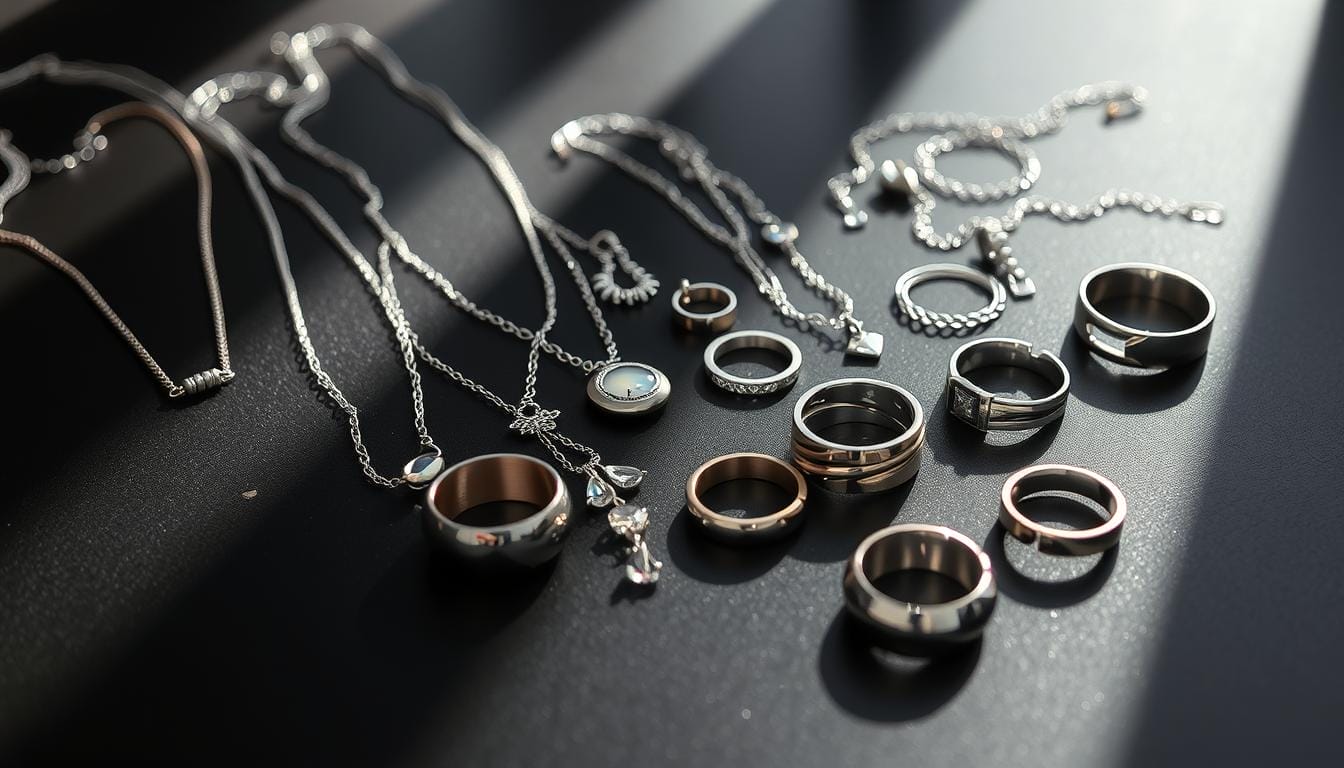
Styling advice: pair polished items with European crystal pearls or faceted accents to add sparkle. Layer mixed-length necklaces to create visual depth without crowding the neckline. Combine different bracelet textures for a balanced wrist stack.
For everyday ease, choose rings with smooth profiles; they clean quickly and resist catching. Use bold earrings to lift a minimalist outfit — one statement pair can change the whole look. Mix gold and silver tones for contrast: stainless steel complements both finishes and blends with other metals across a curated collection.
Practical care and layout
- Layer necklaces of varying lengths to add depth without overwhelming the look.
- Combine bracelets in different textures for a balanced wrist stack.
- Feature rings with smooth profiles for easy daily wear and simple cleaning.
- Use statement earrings to elevate minimalist outfits with minimal effort.
- Choose cohesive design themes across your collection to streamline styling.
Maintenance tip: keep finishing polishes light to preserve the factory sheen. After wearing, wipe pieces gently to remove oils and sweat so the design stays bright across many wears.
Troubleshooting Discoloration: Green Tints, Rainbow Sheen, and Cloudy Films
Small rainbows, clouded patches, or a faint green cast are common surface issues with jewelry and household pieces. These colors often come from mineral water spots, residue from skin, or contact with certain chemicals.
Rainbow sheen is usually a thin-film interference on the top layer — remove it with mild soap, rinse, and dry. Cloudy films are more often mineral deposits; a vinegar-and-water rinse or the home remedies listed earlier works well.
Green tints suggest oxidation involving copper or transfer from other items. Clean those steel pieces promptly and avoid mixing metals in storage to limit transfer.
- After chemical exposure, rinse thoroughly with clean water and dry with a soft cloth.
- If marks persist, repeat methodical cleaning rather than using abrasives that can roughen the surface.
- Review recent exposure to aerosols, cleaners, or high humidity — these raise risk for stubborn spots.
Regular inspection of high-touch areas helps catch buildup before it sets. For jewelry care, including stainless steel jewelry and everyday steel jewelry, gentle routine cleaning keeps pieces bright and prevents recurring issues.
Choosing Quality Pieces: Grades, Finishes, and Hypoallergenic Options
Choose pieces with documented alloy details to avoid surprises later. Verify grade numbers and listed content before you buy. Clear labeling signals quality and consistent performance.
Practical checklist:
- Verify grades—304 suits daily wear; 316 performs better near salt or chlorine.
- Pick a finish that fits your habits—brushed or matte hides micro-scratches; polished shows a mirror shine.
- Ask about nickel content and surface treatments to cut irritation risk for sensitive skin.
- Inspect clasps and edges on rings, earrings, necklaces, and bracelets for smooth finishing.
- Buy from vendors who provide care instructions tied to the specific finish you select.
One well-made piece helps you test comfort and long-term behavior. For value and durability, stainless steel great—and for everyday style with minimal upkeep, steel great—when chosen carefully.
Keep Your Stainless Looking Great Over Time
A simple routine keeps metal pieces bright and worry-free.
Establish a quick maintenance cadence: gentle clean with mild soap, rinse well, and dry thoroughly after use. This small habit preserves the shine on appliances, necklaces, earrings, and rings and limits long-term wear.
Avoid bleach and ammonia, and remove jewelry before pool time or heavy chemical exposure. Store items individually to stop scuffs and tangles, and rotate pieces in your collection to reduce constant contact with water and perspiration.
Style tip: layer stainless steel with gold or silver to refresh looks without extra upkeep. For step-by-step care guidance, see trusted advice on stainless steel jewelry care.
Final note: light, regular maintenance saves time and keeps the shine—finish each wear by wiping down and store with confidence.