
When it comes to finding a versatile and durable material for various industrial and personal uses, nickel plates are an excellent choice. Nickel plates are known for their strength, corrosion resistance, and ability to withstand high temperatures, making them ideal for a wide range of applications. Whether you need nickel plates for electronics, aerospace, automotive, or chemical industries, you can trust that they will deliver exceptional performance.
Key Takeaways
- Nickel plates are a versatile and durable material suitable for various industrial and personal uses.
- They are known for their strength, corrosion resistance, and ability to withstand high temperatures.
- Nickel plates are ideal for electronics, aerospace, automotive, and chemical industries.
Understanding Nickel Plates: A Brief Overview
Nickel plates are versatile metal plates that are widely used in various industries for their excellent properties and durability. Nickel is a chemical element that belongs to the transition metals group and is known for its corrosion resistance, high temperature strength, and excellent electrical conductivity.
Nickel plates are commonly used in applications that require high resistance to corrosion, such as marine, chemical, and petrochemical industries. They are also used in electrical and electronic components, automotive and aerospace industries, and many other applications.
Properties of Nickel Plates
Nickel plates are highly resistant to corrosion, oxidation, and high-temperature environments. They are also ductile and malleable, making them easy to form into various shapes and sizes. Nickel plates have high electrical and thermal conductivity, making them ideal for electrical and electronic applications. Additionally, they possess excellent mechanical properties such as high strength and toughness, making them suitable for heavy-duty applications.
Common Applications of Nickel Plates
Nickel plates find their use in various industries due to their exceptional properties. They are commonly used in the aerospace industry for manufacturing aircraft engines, gas turbines, and other high-performance components. Nickel plates are also used in the automotive industry for manufacturing exhaust systems, catalytic converters, and other parts that are exposed to high temperatures and corrosive environments.
In the chemical industry, nickel plates are used for manufacturing equipment that comes in contact with corrosive chemicals, such as heat exchangers, reactors, and vessels. Additionally, nickel plates are used in the marine industry for manufacturing ship hulls, propellers, and other components that are exposed to harsh seawater environments.
Conclusion
Nickel plates are versatile metal plates that offer excellent properties and durability. They are widely used in various industries due to their resistance to corrosion, high-temperature environments, and electrical conductivity. Nickel plates find their use in applications that require high resistance to corrosion, heavy-duty strength, and durability.
Benefits of Using Nickel Plates
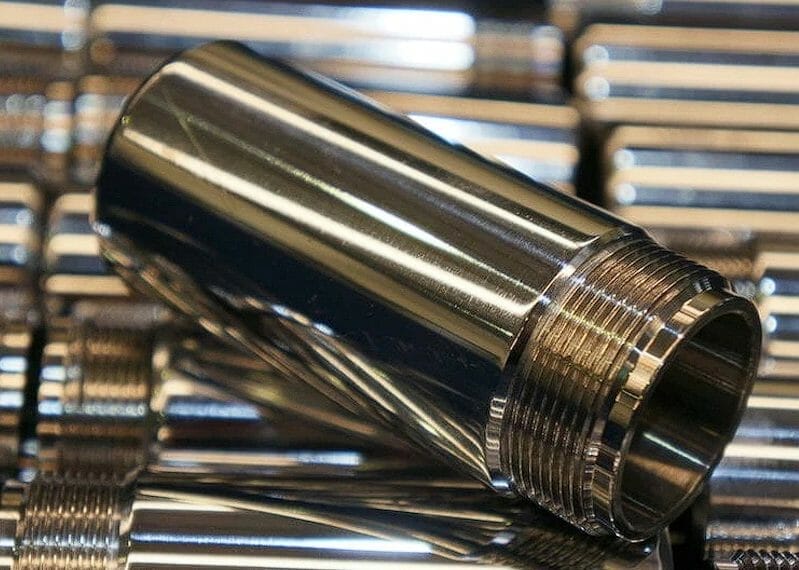
If you’re looking for a material that can resist corrosion, withstand high temperatures, and maintain long-lasting durability, look no further than nickel plates. These versatile plates offer a range of benefits that make them an excellent choice for a variety of industrial and personal applications.
One of the key advantages of nickel plates is their exceptional resistance to corrosion. Unlike other metals that can rust or become damaged over time, nickel plates retain their strength and appearance even in harsh environments. They are also able to withstand high temperatures without warping or weakening, making them ideal for use in heat-intensive applications.
In addition to their strength and durability, nickel plates offer excellent resistance to wear and tear. They are able to withstand constant use and are less likely to degrade over time, making them a cost-effective choice for long-term projects. Nickel plates also have a unique ability to absorb impact, further protecting them from damage.
Another benefit of using nickel plates is their aesthetic appeal. These plates can be customized to achieve a range of finishes, from matte to polished, to suit your specific needs. They can also be painted or coated to match your project’s color scheme or branding.
Finally, nickel plates offer excellent electrical conductivity, further expanding their potential uses. They are commonly used in the manufacturing of batteries, electronic components, and other electrical equipment.
Different Types of Nickel Plates
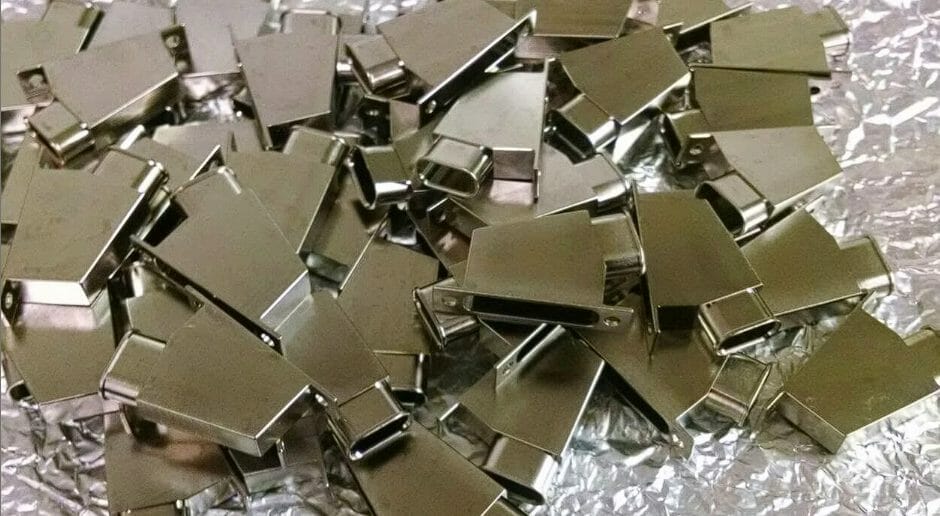
Nickel plates come in a variety of different types, each with their unique characteristics and applications. Here are the most common types of nickel plates:
Pure Nickel Plates
Pure nickel plates are composed of at least 99% nickel and are highly resistant to corrosion and heat. They are ideal for use in extreme environments, such as chemical processing plants and nuclear power facilities. The purity of these plates also makes them suitable for use in electronics and medical equipment.
Nickel Alloy Plates
Nickel alloy plates are composed of nickel and other metals, such as copper, iron, and chromium. The addition of these metals gives the plates unique properties, such as increased strength and resistance to corrosion. Nickel alloy plates are commonly used in the aerospace and automotive industries.
Nickel-Plated Steel Plates
Nickel-plated steel plates are made by coating a steel plate with a layer of nickel. This type of plate is highly durable and resistant to wear and tear, making it ideal for use in manufacturing and construction. Nickel-plated steel plates are also commonly used in the food industry, as they are non-toxic and resistant to corrosion.
When selecting a nickel plate, it’s important to consider the specific application and requirements. Consult with a knowledgeable supplier to determine which type of nickel plate will best suit your needs.
Nickel Plates vs Stainless Steel: A Comparison
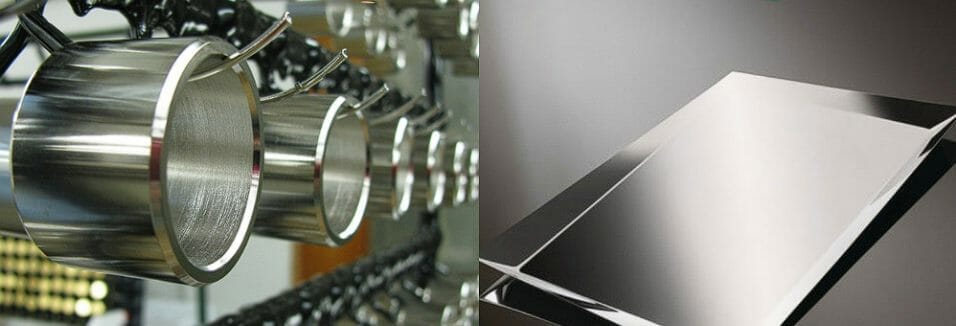
Nickel plates and stainless steel are both popular metal options but have some significant differences. Nickel plates are typically more expensive than stainless steel, but they offer unique advantages that make them the preferred material for certain applications.
Properties
Nickel plates offer excellent resistance to corrosion and high temperature strength, making them ideal for use in harsh environments. On the other hand, stainless steel is known for its high resistance to stains and rust, which makes it suitable for use in marine environments.
Applications
Both nickel plates and stainless steel have a wide range of applications. Nickel plates are commonly used in the aerospace, automotive, and chemical industries because of their ability to withstand high temperatures and resist corrosion. Stainless steel is preferred for applications in the food and beverage industry, as well as in medical devices and appliances.
Suitability
Choosing between nickel plates and stainless steel depends on the specific needs of your application. If you require a material that can withstand high temperatures and resist corrosion, nickel plates are the better choice. However, if you need a material that can resist stains and rust, stainless steel is the more suitable option.
Ultimately, the choice between nickel plates and stainless steel depends on the specific needs and requirements of your application. Consult with a knowledgeable supplier to help you make the right decision.
Choosing the Right Nickel Plate for Your Needs
When selecting the appropriate nickel plate for your needs, there are several factors to consider. The thickness and size of the plate are important, as they will determine its strength and durability. Additionally, the desired properties of the plate, such as corrosion resistance and high temperature strength, should be taken into account.
If you require a specific grade of nickel plate, it is important to discuss customization options with your supplier. They may be able to provide tailored solutions to meet your exact specifications.
Thickness and Size
The thickness and size of the nickel plate will impact its strength and performance. Thicker plates are generally stronger and more durable, but may be more difficult to bend or shape. Smaller plates may be easier to work with, but may not be as resistant to corrosion or extreme temperatures.
It is important to carefully evaluate your needs and intended application of the nickel plate to determine the appropriate thickness and size.
Desired Properties
Nickel plates offer a range of desirable properties, including corrosion resistance, high temperature strength, and durability. Depending on your specific needs, you may require a nickel plate with certain properties.
For example, if you are using the plate in a high-temperature environment, you will need a plate with high temperature strength. Likewise, if you are using the plate in a corrosive environment, you will need a plate with excellent corrosion resistance.
Customization Options
If you require a specific grade or type of nickel plate, it is important to discuss customization options with your supplier. They may be able to provide tailored solutions to meet your exact specifications.
Customization options may include alterations to the thickness, size, and properties of the nickel plate. Your supplier may also be able to provide additional finishes or coatings to further enhance the performance of the plate.
Applications of Nickel Plates in Different Industries
Nickel plates play a vital role in various industries due to their exceptional properties and durability. Below are some of the industries that extensively use nickel plates:
| Industry | Applications |
|---|---|
| Aerospace | Nickel plates are used in the manufacture of aircraft engines, gas turbines, and other aerospace components due to their excellent performance at high temperatures and resistance to corrosion and wear. |
| Automotive | Nickel plates are used in the production of catalytic converters and other exhaust system components due to their ability to withstand high temperatures and resist corrosion. |
| Chemical Processing | Nickel plates are used in the manufacture of reactors, heat exchangers, and other equipment in chemical processing plants due to their excellent resistance to corrosion and high-temperature strength. |
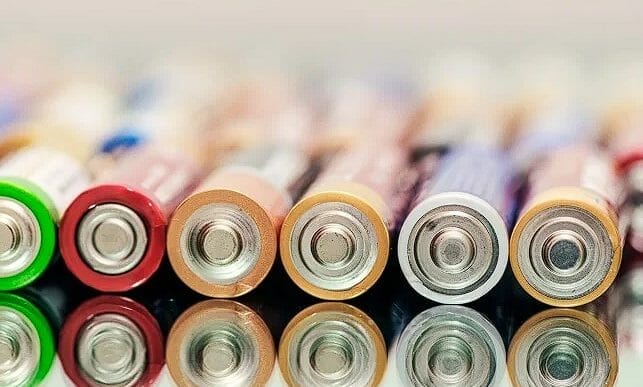
| Electronics | Nickel plates are used in the production of electronic components such as batteries, wiring, and connectors due to their high electrical conductivity and durability. |
In addition to the above industries, nickel plates are also used in the medical, oil and gas, and food processing industries, among others.
Maintenance and Care Tips for Nickel Plates
While nickel plates are highly durable and resistant to corrosion, proper maintenance and care will ensure their longevity and optimal performance. Here are some practical tips to help you care for your nickel plates:
- Regularly clean your nickel plates with a soft cloth and a mild detergent to remove any dirt or grime. Avoid using abrasive cleaners or tools, as they can scratch the surface of the nickel.
- Protect your nickel plates from exposure to harsh chemicals, such as acids or alkalis, which can damage the surface and cause staining.
- Apply a protective coating or sealant to your nickel plates if they are frequently exposed to moisture or humidity, such as in outdoor applications.
- Inspect your nickel plates regularly for signs of damage, such as cracks or chips, and replace or repair them as needed to prevent further damage.
- Store your nickel plates in a dry, cool, and well-ventilated area to prevent moisture buildup and corrosion.
By following these simple care and maintenance tips, you can ensure that your nickel plates remain in top condition and continue to deliver reliable performance for years to come.
Where to Find High-Quality Nickel Plates
If you’re looking for high-quality nickel plates, it’s essential to purchase them from reputable sources. These sources should offer a wide variety of nickel plates and be able to provide in-depth information on their quality and properties. Here are some reliable sources for purchasing nickel plates:
- Industrial suppliers: Many industrial suppliers specialize in providing nickel plates for various industries. These suppliers often have a vast selection of nickel plates, and their expertise can help you choose the right one for your needs.
- Online marketplaces: Online marketplaces like Amazon and eBay offer a wide variety of nickel plates from around the world. Be sure to read product reviews and verify the seller’s reputation before purchasing.
- Specialty stores: Depending on the type of nickel plate you need, some specialty stores and metal shops may carry them. These stores often have knowledgeable staff who can provide guidance on selecting the right nickel plate for your project.
When purchasing nickel plates, keep in mind that price should not be the only factor to consider. While it’s tempting to choose the cheapest option, a low price may indicate poor quality or a lack of durability. Invest in high-quality nickel plates to ensure they last and perform well in your desired application.
Conclusion
After exploring the diverse properties and applications of nickel plates, it’s clear that they are a versatile and reliable material for various industries. Not only do they offer exceptional corrosion resistance, temperature strength, and durability, but they also come in many different forms to suit specific needs.
Whether you’re looking for pure nickel, nickel alloy, or nickel-plated steel, there are many options to choose from. It’s essential to select the right nickel plate for your requirements, taking into account factors such as thickness, size, and desired properties. Customization options may also be available to further fine-tune your selection.
With their widespread use in industries ranging from aerospace to electronics, nickel plates play a crucial role in many products we encounter daily. Proper maintenance and care are essential to ensure their optimal performance and longevity. Adopting good cleaning techniques and protective measures can help extend the lifespan of nickel plates, ultimately saving time and money.
When sourcing nickel plates, it’s crucial to purchase from reputable suppliers to guarantee quality and authenticity. Reliable sources can make a big difference in the quality of the nickel plates you receive and the performance they deliver.
Embrace the Versatility of Nickel Plates
From their exceptional properties to their wide range of applications, nickel plates are a dependable material for various personal and industrial uses. Whether you’re looking for a corrosion-resistant solution for offshore structures or a durable coating for electronics, nickel plates deliver both quality and versatility.
So, embrace the power of nickel plates and start exploring how they can
Read More : Nickel Alloy vs Stainless Steel: Comparing Key Differences
FAQ
Q: What are nickel plates?
A: Nickel plates are flat metal sheets made primarily of nickel and other alloys. They are known for their high quality and versatility, making them suitable for various applications.
Q: What are the benefits of using nickel plates?
A: Nickel plates offer several advantages, including excellent corrosion resistance, high temperature strength, and exceptional durability. They are also highly resistant to wear, making them ideal for demanding environments.
Q: What types of nickel plates are available?
A: There are different types of nickel plates, including pure nickel plates, nickel alloy plates, and nickel-plated steel plates. Each type has its own characteristics and is used in specific applications.
Q: How do nickel plates compare to stainless steel?
A: Nickel plates and stainless steel have different properties and applications. While nickel plates offer superior corrosion resistance, stainless steel is often preferred for its lower cost. The choice depends on the specific requirements of each project or industry.
Q: How can I choose the right nickel plate?
A: When selecting a nickel plate, consider factors such as thickness, size, and desired properties. Consulting with a knowledgeable supplier can help you make an informed decision. Customization options may also be available.
Q: In which industries are nickel plates commonly used?
A: Nickel plates find applications in various industries, including aerospace, automotive, chemical, and electronics. They are used for components such as heat exchangers, electrical connectors, and structural elements.
Q: How should I maintain and care for nickel plates?
A: To ensure the longevity and optimal performance of nickel plates, regular cleaning and protective measures are necessary. Use appropriate cleaning techniques and consider applying protective coatings to prevent corrosion.
Q: Where can I find high-quality nickel plates?
A: It is recommended to purchase nickel plates from reputable sources and suppliers. Reliable metal suppliers and specialized distributors can provide high-quality nickel plates that meet your specific requirements.