Can one product truly beat vinegar-and-water for wiping away fingerprints and greasy streaks?
Homeowners and metalworkers want fast, low-residue results. Real tests show purpose-made formulas—like Therapy and Bar Keepers Friend—remove stains in seconds and leave surfaces protected. Sprayway, Method, Weiman, and Kohler each proved strengths in coverage, scent, runniness, and sink performance.
The guide ahead explains why a dedicated stainless steel cleaner outperforms plain water or general-purpose sprays: specialized chemistry lifts grease, cuts smudges, and conditions finishes to resist new marks.
Quick preview: you’ll learn how spray triggers, aerosol foam, and creams differ in control and coverage. Expect tips from real testing—wipe with the grain, use microfiber, and avoid harsh disinfectant wipes that can cloud finishes.
Readers will leave knowing how to match a product to a primary pain point—grease, fingerprints, or speed—and how to keep appliances camera-ready with minimal effort.
How We Tested and What to Look For in a Stainless Steel Cleaner
We ran side-by-side tests on appliance doors and sinks to measure real-world lift times and streak risk.
Key performance factors: fingerprints, grease, streaks, and time-to-clean
Protocol: panels were taped off, then smeared with barbecue sauce, syrup, honey, cheese sauce, mustard, and fingerprint smudges.
Timers recorded lift times: Therapy removed fresh spots in about four seconds, Method cleared two-day-old marks in 14 seconds, Sprayway’s aerosol took ~16 seconds but needed extra buffing, Weiman worked in 13 seconds and adds a protective barrier, and Kohler’s cream handled sticky sink messes in 21 seconds.
Forms and formulas: spray, aerosol, and cream for kitchen surfaces and sinks
Trigger sprays cover wide areas fast. Aerosol foam clings and reduces drips but can leave streaks unless buffed. Creams give control on sinks but can be runny if over-applied.
- Practical tip: follow directions—shake, apply, wipe with the grain, then polish dry.
- Buyer checklist: fast lift times, low streak risk, fitting application form, and fingerprint resistance for busy doors.
Best stainless steel cleaner picks for appliances, sinks, and grills
These top product choices balance quick stain lift, lasting polish, and real-world usability on kitchen surfaces and fixtures.
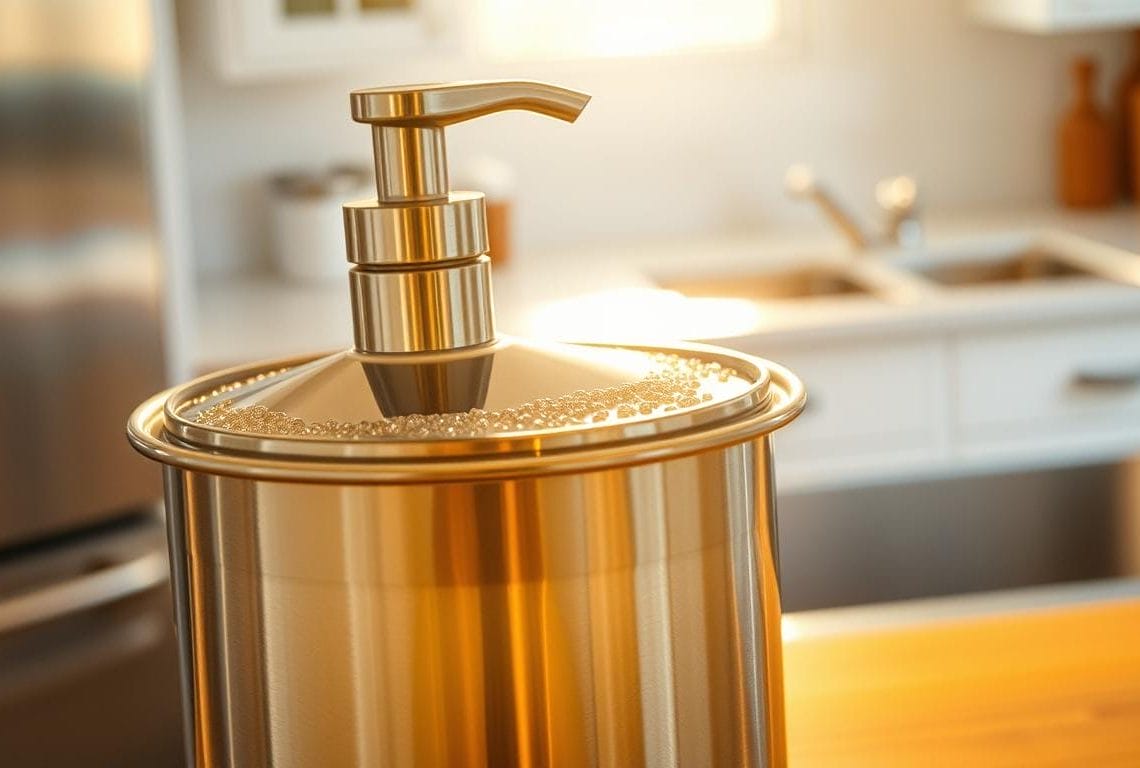
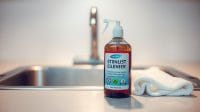
Best overall — Therapy Stainless Steel Cleaner and Polish: coconut-oil formula removed fresh smudges in ~4 seconds and dried residues under 11 seconds, leaving a conditioned finish and a fingerprint shield. Lavender scent and interchangeable tops add convenience.
Other top picks
- Best value — Method: wide trigger spray, lifted two-day stains in ~14 seconds; smooth, streak-free finish and Apple Orchard scent.
- Best heavy-duty — Bar Keepers Friend: larger spray that powers through grease and mineral marks; includes a two-sided microfiber cloth for scrubbing and polishing.
- Best daily — Sprayway: aerosol foam clings to panels, shines quickly with a good buff—ideal for frequent fridge touch-ups.
- Best multi-use — Weiman: versatile trigger spray that produced spotless results in ~13 seconds and adds fingerprint resistance across appliances and grills.
- Best for sinks — Kohler: compact cream that excels on fixtures and basins; apply to a cloth to control flow and remove sticky messes in ~21 seconds.
Shopping tip: choose Bar Keepers Friend for grease, Method or Sprayway for quick daily resets, and Therapy or Weiman for fingerprint protection. Learn more about the top rated stainless steel cleaner choices.
How to clean stainless steel like a pro: application, polish, and protection
Cleaning like a pro starts with technique, not more product. Use a consistent routine: apply the right formula, wipe with the grain, then polish dry to avoid streaks.
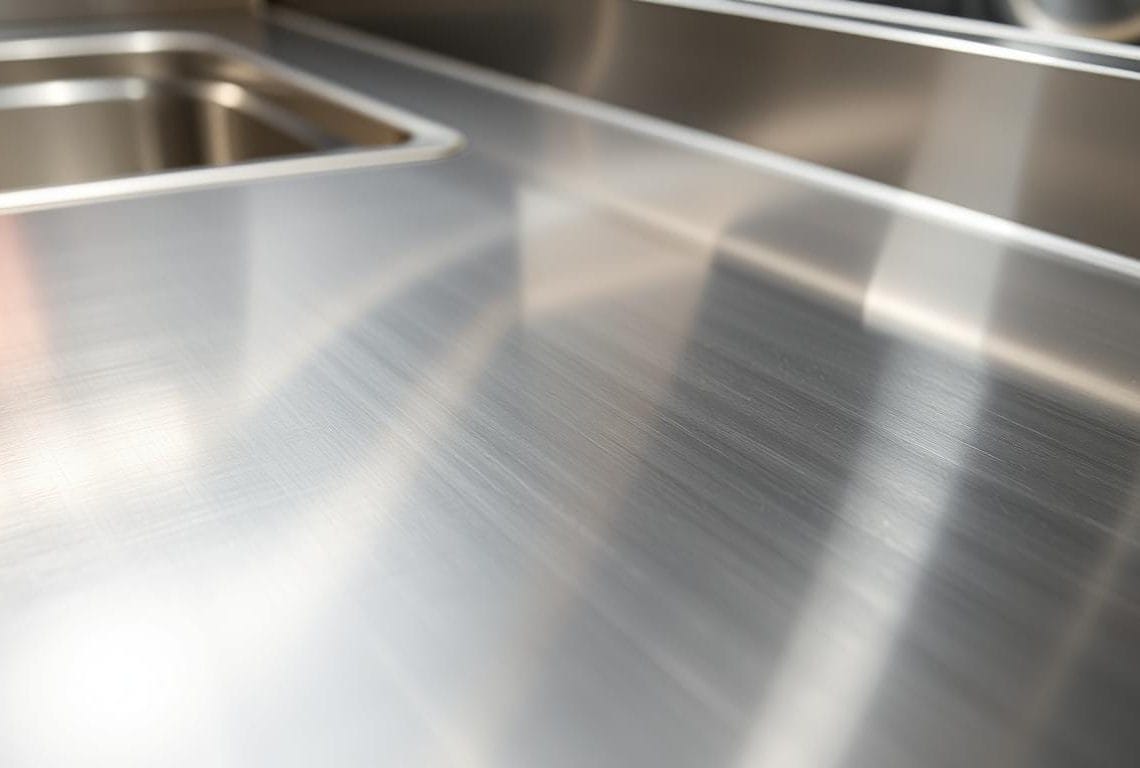
Step-by-step: spray or apply, wipe with the grain, then polish
Start by removing loose dust. Shake the bottle, then apply a light spray to the panel or place a small dollop of cream on a microfiber cloth.
Work in straight, overlapping passes along the grain to clean stainless without creating swirl marks. For stuck-on stains, let the formula dwell a minute or two, then scrub gently with the textured side of a cloth.
Finish by buffing with a clean, dry microfiber to bring out the polish and activate any fingerprint-resistant benefits in a cleaner polish product.
Safety and surfaces: test and follow directions
Always test an inconspicuous area first — especially on black or textured finishes. Follow manufacturer directions for sinks, ovens, and appliance surfaces.
Avoid common mistakes
- Don’t use harsh disinfectant wipes or abrasive pads — they can haze or micro‑scratch the finish.
- For vertical doors, keep a second microfiber ready to chase any drips from runny sprays; aerosols cling and reduce trail risk.
- When using creams on fixtures and sinks, apply to the cloth first for precise control.
Tip: let the protective barrier set for a few minutes after buffing and avoid touching the panel right away to keep surfaces cleaner longer.
Your next spotless shine: choose the right product and keep stainless steel streak-free
Choosing the right product starts with identifying the toughest problem you face—fingerprints, grease, or quick touch-ups. Pick Therapy for fast smudge lift and lasting fingerprint protection, Method for budget daily resets, or Bar Keepers Friend for heavy grease on ovens and grills.
Prefer foam for large doors? Use Sprayway and finish with a firm buff. Need one bottle for many jobs? Choose a cleaner polish like Weiman for broad coverage, or a cream from Kohler for sink work.
Simple routine: test on a hidden spot, wipe with the grain, polish dry, and store products with caps closed. Keep separate microfiber cloths for apply and dry polish.
Find detailed picks and buying tips in our roundup of the best stainless steel cleaner to match your kitchen and appliance needs.