
Can you predict when a small price shift will swell your project budget? This guide answers that question with clear, step-by-step analysis so readers can act with confidence.
Metal markets change fast: raw inputs, adders for processing, and policy moves all push the final price. Understanding these layers helps homeowners and metal workers avoid surprises.
MetalMiner and MMI data drive the evidence-based insights here. The piece explains base pricing, alloy surcharges, and common hidden adders like coatings and cut-to-length services.
Readers will learn practical levers—gauge, width, finish—that influence negotiation and sourcing. The goal: make the material cost stack transparent so you can protect margins and time purchases right.
Outcome: clear, usable analysis that turns fragmented pricing into actionable steps for smarter buying across projects.
Present market snapshot: pricing volatility, demand signals, and why stainless steel costs matter now
Short-term signals from indexes and inventory reads are tightening the window for smart buys.
Near-term market view: price action remains sensitive to headlines and policy. Nickel’s path—now eyed at $15,000–$20,000/MT—plus tariff chatter keep day-to-day price risk elevated.
Watch demand cues closely: appliance orders, housing starts, and auto build schedules often show turning points before they appear on invoices.
Supply signals matter too: service-center inventories, import arrivals, and mill lead times can foreshadow an increase in prices.
Volatility takeaway: price volatility is normal in this cycle. Use objective data—MMI reads and MetalMiner-style timing—to avoid overreacting to news blips.
- Align RFQs with calmer weeks when possible to reduce alloy surcharge risk.
- Document a weekly “steel price checkpoint”: level, lead time, and demand cues.
- Balance short-term signals with quarterly forecasts to limit exposure.
Practical rule: when construction and auto output rise together, expect firmer quotes; when both soften, press for competitive pricing.
Regional stainless steel price trends today: where prices stand and what’s moving them
October data highlight clear regional differences that matter for sourcing and procurement.
North America — US$3.20/kg (steady): Domestic capacity and Section 232 buffers keep quotes stable, limiting the pass-through of global swings.
Europe — US$2.91/kg (down 0.7%): Weak construction and consumer demand, plus higher import penetration, put mild downward pressure on base levels.
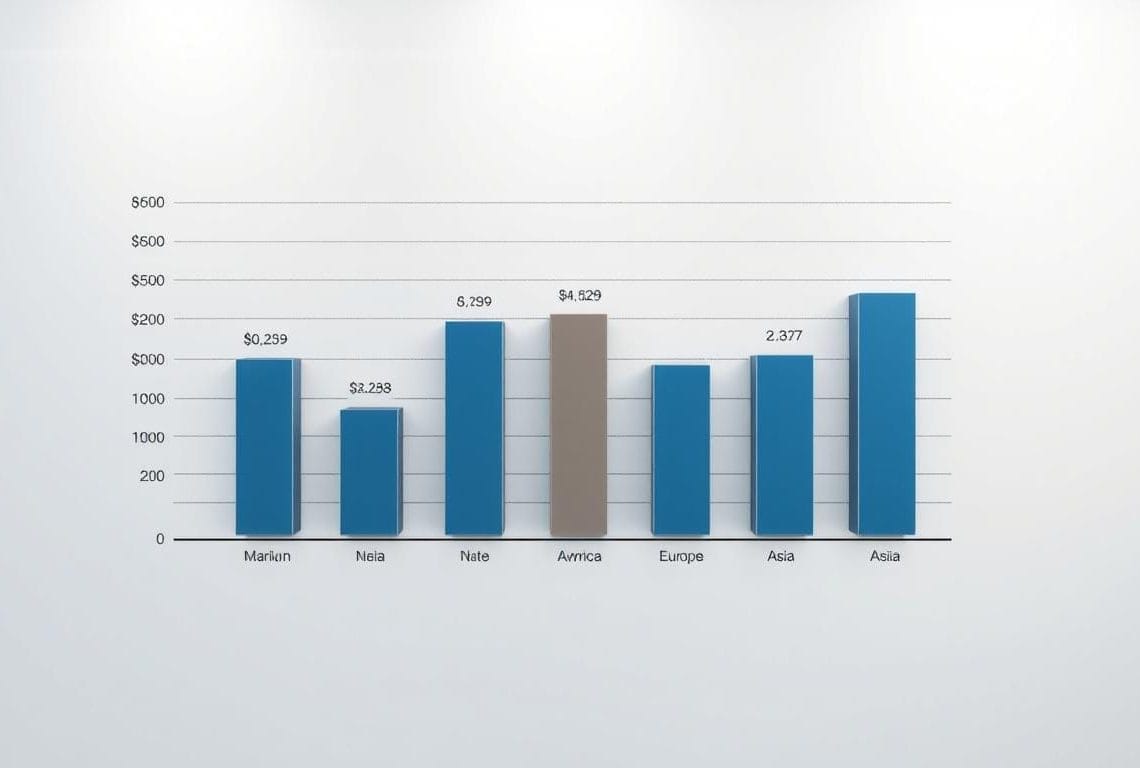
- Northeast Asia — US$1.62/kg (up 0.6%): Nickel availability and production rebalancing support a modest uptick from recent lows.
- Southeast Asia — US$2.33/kg (flat): Normalizing supply and cautious buying keep moves contained for now.
- India — US$2.32/kg (down 0.9%): Competitive offers and softer demand shave short-term pricing slightly.
- Middle East — US$2.79/kg (up 1.8%): Supply/demand normalization lifts transactional levels modestly.
Practical comparison: regional spreads reflect input prices, import‑export frictions, and local production strategies. Treat index snapshots as directional—confirm live quotes and adders (gauge, finish) before committing.
- Monitor Asian index moves: if prices firm there while EU trade measures tighten, European import availability could shrink.
- For construction or fabrication timelines that are flexible, shift purchasing to regions showing flat or downward price trends to improve landed cost.
Inside stainless steel costs: raw materials, surcharges, adders, and the real price you pay
Raw inputs and hidden adders combine to define the real invoice buyers pay.
Nickel drives the alloy surcharge. With expectations around $15,000–$20,000/MT in 2025 and Indonesian quota uncertainty, even small moves can add cents per pound to your buy. Chromium is more stable, but South Africa supply risk can force rapid surcharge adjustments.

Grade and finish matter: 304, 201 and 316 show different base pricing and surcharges—316 usually carries a premium for molybdenum. Finish and thickness (2B vs. polished, tight gauge) increase processing time and the final price.
- Hidden adders: vinyl coating, polishing, edge work and cut-to-length often outpace metal deltas.
- Spot vs. contract: service centers may give discounts but add supplier-specific fees—benchmark with a should-cost model.
- Form factor: sheet and plate follow different indices and production routes—choose the right index for comparison.
Practical anchor: U.S. 304 2B near $1.78/lb versus Asia CRC at ~$1,875/ton shows regional spread after freight and duties. Require suppliers to list metal value separately from conversion and processing so bids are comparable and negotiations stay objective.
Supply, demand, and policy: market trends shaping stainless steel price trajectories
Tariff moves and regional production imbalances are now the key levers shaping market direction. Policy and trade will determine who wins on landed offers and who must absorb premium fees.
Section 232 and evolving tariffs
The U.S. measures remain relevant but affect the competitive set unevenly. Section 232 changes hit carbon steel more than stainless steel because domestic mill capacity cushions much of the market. Still, any tariff tweak shifts landed prices and buyer options.
Trade flows and protectionism
Europe’s weak demand plus roughly 25% import share from Taiwan, South Korea and China keeps downward pressure on base offers. If the EU tightens trade measures later in 2025, local production may lift regional prices.

End-use demand mix
Autos, construction and appliances drive volumes differently. Potential EV policy shifts could increase demand for certain grades used in chassis and battery enclosures.
- Autos: EV incentives may tilt material intensity.
- Construction: seasonality tightens lead times and availability.
- Appliances: housing and renovation activity lifts inquiries.
Practical takeaway: monitor tariffs, import flows and production discipline. Build buffer stock where supply chain disruptions are costly, and run landed-cost scenarios that include duties, freight and processing to protect margins.
stainless steel costs data you can act on: indexes, should-cost models, and buying signals
Timely index reads and should-cost models turn volatility into decision signals. Use them to know when to lock volume and when to stay flexible.

Monthly Metals Index (MMI) provides early reads across seven charts—aluminum, copper, stainless, raw steels and more. Combine those chart notes with live quotes to tell if a price move is broad or supplier-specific.
Should-cost modeling
Build a should-cost that separates metal value from conversion and processing. Itemize base metal, gauge adders, width premiums and extra finishing so negotiations target real pricing, not noise.
Index quality and limits
Public price index feeds mix spot and contract data and often revise history. Treat indexes as directional analysis tools—not contractual references. Business Analytiq-style revisions typically land mid- and late-month.
Timing your buys
- Check MMI and other data around mid-month updates and keep a weekly price checkpoint.
- Set buy triggers tied to price bands and lead-time thresholds to avoid panic buys during short spikes.
- When short-term trend firming aligns with quarterly forecasts, secure volume; if they diverge, favor shorter commitments.
Log index values, supplier surcharges, and adders per quote. This audit trail improves negotiation and shields margins when nickel-driven surcharge moves hit the market.
United States outlook: price forecasts, supply chain disruptions, and pricing scenarios
Pricing scenarios in the United States will respond quickly to moves in nickel and shifts in import competition.
Domestic capacity and Section 232 measures provide a buffer, blunting some external pressure. That said, government policy and housing and auto demand will still drive near-term moves. Buyers should plan for scenario-based action, not one fixed forecast.

Baseline, bullish, and bearish paths
- Baseline: Stable-to-firm prices as domestic capacity and tariffs temper import pressure. Mild increases are possible if housing starts and auto builds remain resilient.
- Bullish: Nickel firming toward $20,000/MT, tighter trade measures in Europe, and stronger U.S. construction lift offers into H2. Expect tighter lead times and higher mill premiums.
- Bearish: Softer demand in appliances and autos, nickel nearer the low end, and heavier imports push prices lower. Small price gaps can vanish once freight and timing are included.
Signals, sensitivities, and a simple decision framework
Key sensitivities: alloy surcharges move first on nickel. Watch mill and service-center quotes for rapid pass-throughs.
- Monitor appliance orders and HVAC backlogs for early demand cues.
- Extend lead times or stage orders if transit delays reappear.
- Benchmark steel prices and the stainless steel price against a should-cost model to isolate non-metal adders.
Practical insight: define trigger points for partial hedges or staged buys based on price volatility and demand certainty. That keeps manufacturing plans flexible and protects margins in a volatile market.
Turn market signals into repeatable steps, and buying becomes a process, not a panic.
Start with a simple playbook: define when to buy, what to pay, and how to negotiate. Use a clear should-cost template so metal value, surcharges, and processing adders sit on separate lines.
Use indexes as guides—pair a reliable price index with contract rules and caps. Stage purchases (50/30/20) to average price and limit timing risk when trends are unclear.
Lock grades and finishes early for construction or manufacturing runs. Keep two to three vetted suppliers and test small lots from alternates to validate lead time and quality.
Log outcomes: record steel prices paid, adders, lead times and real usage. Review quarterly to sharpen sourcing, reduce rework, and make data-driven decisions that protect margins.
FAQ
What drives current price volatility in stainless alloys?
How do regional price levels compare today?
FAQ
What drives current price volatility in stainless alloys?
Price swings stem from raw-material moves—chiefly nickel and chromium—plus shifts in demand from autos, construction, and appliances. Policy changes (tariffs, quotas) and regional capacity imbalances add short-term shocks. Monitor nickel quotes, scrap flows, and trade measures for early signals.
How do regional price levels compare today?
North America is around US.20/kg and relatively steady due to domestic capacity and policy buffers. Europe sits near US.91/kg, pressured by weak end markets and import competition. Northeast Asia is lower at roughly US
FAQ
What drives current price volatility in stainless alloys?
Price swings stem from raw-material moves—chiefly nickel and chromium—plus shifts in demand from autos, construction, and appliances. Policy changes (tariffs, quotas) and regional capacity imbalances add short-term shocks. Monitor nickel quotes, scrap flows, and trade measures for early signals.
How do regional price levels compare today?
North America is around US$3.20/kg and relatively steady due to domestic capacity and policy buffers. Europe sits near US$2.91/kg, pressured by weak end markets and import competition. Northeast Asia is lower at roughly US$1.62/kg but edging up as nickel supply tightens. Southeast Asia and India show mixed moves—about US$2.33/kg flat and India near US$2.32/kg slightly down. The Middle East registers a modest rise around US$2.79/kg as supply/demand normalizes.
How important is nickel to finished product pricing?
Nickel is pivotal—its swings can change make-or-break margins. With 2025 ranges seen between $15,000–$20,000/MT and Indonesian export quota uncertainty, alloy surcharges and base-price calculations shift quickly. Buyers should stress-test budgets across nickel scenarios.
Processing adders often add more than metal value: gauge, width, polishing, vinyl coating, cut-to-length and surface finish fees. Supplier-specific surcharges, minimum-order premiums and logistics charges can materially raise the invoice—separate these when comparing quotes.
When should a buyer use spot purchases vs. contracts?
Use spot for short-term needs and when indices show a clear downward trend. Lock contracts for core volume to secure supply and limit exposure to sudden spikes. Blend both: contracts for baseline demand and targeted spot buys to exploit dips or meet urgent orders.
How do grade and form affect final pricing?
Grade (201, 304, 316) and product form (coil, sheet, plate) matter. Higher-alloy grades carry larger surcharges; thicker plate and specialty finishes require more processing and add cost. Choose grade and form aligned with functional needs to avoid unnecessary premium.
What market signals indicate a near-term price change?
Early signals include shifts in nickel and chrome LME/spot quotes, scrap availability, freight rates, and rapid changes in monthly metal indexes. Trade policy announcements or sudden capacity outages also presage price moves. Track multiple indicators rather than one headline metric.
How reliable are public price indexes for procurement decisions?
Indexes give timely market color but have limits: coverage gaps, revision risk, and methodology differences across providers. Combine index readings with should-cost models and supplier quotes to build a fuller, defensible buying case.
What is a should-cost model and why use it?
A should-cost model breaks price into metal value, conversion, processing, and logistics. It helps separate commodity exposure from controllable conversion costs, enabling smarter negotiations and more accurate benchmarking versus supplier quotes.
How do tariffs and trade measures change domestic price dynamics?
Tariffs, antidumping duties and quota moves shift import economics, protecting local mills or redirecting flows. For example, differences in measures between stainless and carbon products can reroute demand and affect domestic margins. Buyers must factor potential policy changes into scenario planning.
What practical steps can professionals take to manage price risk?
Recommended steps: 1) Maintain diversified supplier panels across regions; 2) Use layered contracts—baseline volume under long-term agreements plus tactical spot buys; 3) Build should-cost models; 4) Monitor key inputs (nickel, chrome, scrap) daily; 5) Negotiate transparent surcharge formulas tied to recognized indexes.
How should small buyers approach alloy surcharges in quotes?
Ask suppliers for clear surcharge formulas and audit trails. Request line-item breakdowns for metal premiums, conversion, and logistics. Where possible, cap surcharges or agree on periodic review windows to reduce surprise charges.
Can import markets relieve local supply tightness?
Yes—imports can fill gaps when domestic output lags. But watch quality specs, lead times, and freight cost volatility. Protectionist moves in major markets can rapidly change import viability, so maintain contingency options.
Where can one find actionable short-term indicators for buying?
Use monthly metals indexes, LME/spot nickel and chrome quotes, regional scrap prices, and service-center inventory reports. Combine these with supplier lead-time data to time purchases and reduce exposure to sudden spikes.
.62/kg but edging up as nickel supply tightens. Southeast Asia and India show mixed moves—about US.33/kg flat and India near US.32/kg slightly down. The Middle East registers a modest rise around US.79/kg as supply/demand normalizes.
How important is nickel to finished product pricing?
Nickel is pivotal—its swings can change make-or-break margins. With 2025 ranges seen between ,000–,000/MT and Indonesian export quota uncertainty, alloy surcharges and base-price calculations shift quickly. Buyers should stress-test budgets across nickel scenarios.
Processing adders often add more than metal value: gauge, width, polishing, vinyl coating, cut-to-length and surface finish fees. Supplier-specific surcharges, minimum-order premiums and logistics charges can materially raise the invoice—separate these when comparing quotes.
When should a buyer use spot purchases vs. contracts?
Use spot for short-term needs and when indices show a clear downward trend. Lock contracts for core volume to secure supply and limit exposure to sudden spikes. Blend both: contracts for baseline demand and targeted spot buys to exploit dips or meet urgent orders.
How do grade and form affect final pricing?
Grade (201, 304, 316) and product form (coil, sheet, plate) matter. Higher-alloy grades carry larger surcharges; thicker plate and specialty finishes require more processing and add cost. Choose grade and form aligned with functional needs to avoid unnecessary premium.
What market signals indicate a near-term price change?
Early signals include shifts in nickel and chrome LME/spot quotes, scrap availability, freight rates, and rapid changes in monthly metal indexes. Trade policy announcements or sudden capacity outages also presage price moves. Track multiple indicators rather than one headline metric.
How reliable are public price indexes for procurement decisions?
Indexes give timely market color but have limits: coverage gaps, revision risk, and methodology differences across providers. Combine index readings with should-cost models and supplier quotes to build a fuller, defensible buying case.
What is a should-cost model and why use it?
A should-cost model breaks price into metal value, conversion, processing, and logistics. It helps separate commodity exposure from controllable conversion costs, enabling smarter negotiations and more accurate benchmarking versus supplier quotes.
How do tariffs and trade measures change domestic price dynamics?
Tariffs, antidumping duties and quota moves shift import economics, protecting local mills or redirecting flows. For example, differences in measures between stainless and carbon products can reroute demand and affect domestic margins. Buyers must factor potential policy changes into scenario planning.
What practical steps can professionals take to manage price risk?
Recommended steps: 1) Maintain diversified supplier panels across regions; 2) Use layered contracts—baseline volume under long-term agreements plus tactical spot buys; 3) Build should-cost models; 4) Monitor key inputs (nickel, chrome, scrap) daily; 5) Negotiate transparent surcharge formulas tied to recognized indexes.
How should small buyers approach alloy surcharges in quotes?
Ask suppliers for clear surcharge formulas and audit trails. Request line-item breakdowns for metal premiums, conversion, and logistics. Where possible, cap surcharges or agree on periodic review windows to reduce surprise charges.
Can import markets relieve local supply tightness?
Yes—imports can fill gaps when domestic output lags. But watch quality specs, lead times, and freight cost volatility. Protectionist moves in major markets can rapidly change import viability, so maintain contingency options.
Where can one find actionable short-term indicators for buying?
Use monthly metals indexes, LME/spot nickel and chrome quotes, regional scrap prices, and service-center inventory reports. Combine these with supplier lead-time data to time purchases and reduce exposure to sudden spikes.