Can one simple material solve comfort, durability, and allergy worries at once?
This buyer’s guide explains why this metal ranks high for daily wear. It covers which grades and finishes perform best, and how to match gauges, inner diameters, and lengths to specific piercings — from lobes to cartilage.
Readers get clear rules on fit and hardware: hoops, studs, and barbells, plus clasp and threading choices that boost comfort and safety. The guide also breaks down exposure concerns — sweat, showers, and gym use — with easy cleaning tips to keep shine without fuss.
Practical comparisons demystify terms like “surgical” and highlight nickel content and hypoallergenic claims. Expect quick takeaways on finish options (polished, brushed, PVD), cost drivers, and a compact buyer checklist to streamline confident purchases.
Why Stainless Steel Earrings Are a Smart Buy Right Now
A single material can deliver long-term value across work, workouts, and weekends. Stainless balances cost, durability, and style—so pieces look premium without constant upkeep.
Practical benefits are clear: corrosion and tarnish resistance mean fewer replacements. Simple soap-and-water care keeps shine, and finishes range from mirror polish to subtle brushed looks that suit both a small stud and an oversized hoop.
- Consistent value: color-stable pieces that outperform many plated options at similar prices.
- Versatile styling: supports delicate jewelry and bold silhouettes without losing shape.
- Low maintenance: easy cleaning, wide availability, and reliable shipping reduce buyer risk.
For gifts or a starter rotation, this option minimizes sizing and care headaches. It’s a practical choice for anyone who wants stylish, dependable pieces that hold up to daily life.
stainless steel for earrings: Key Benefits for Everyday Wear
Daily wear demands pieces that resist sweat, stay bright, and sit comfortably against the skin.
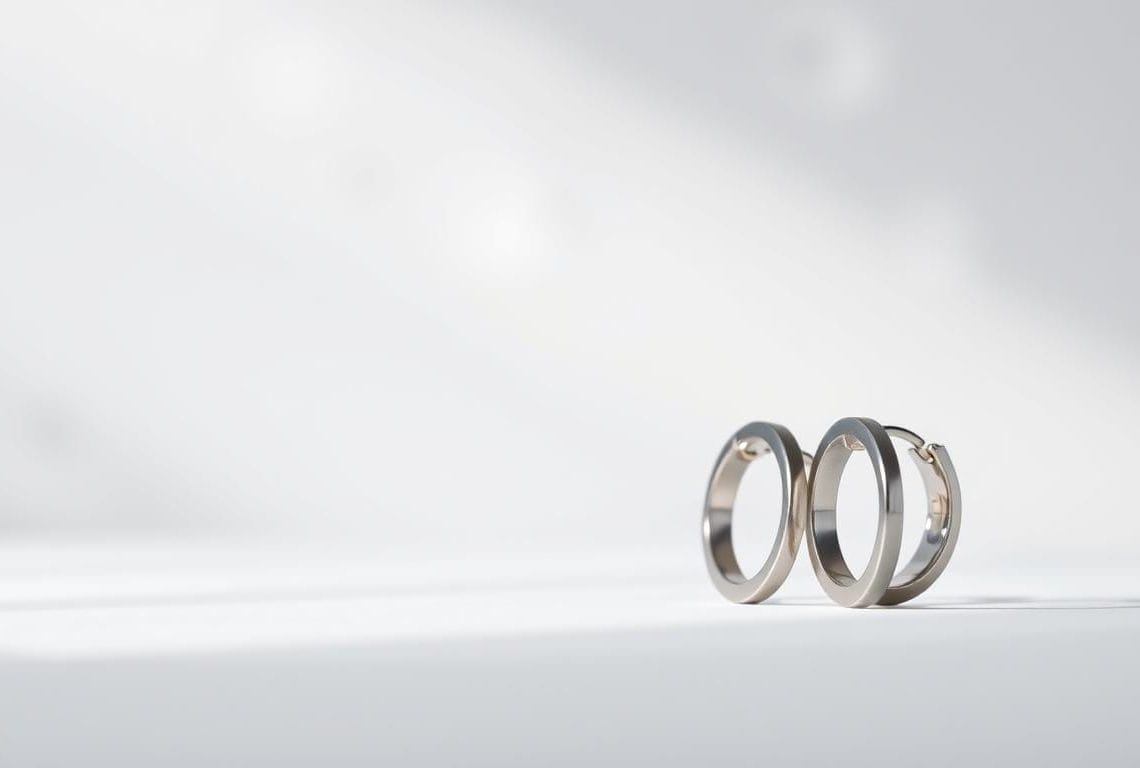
Hypoallergenic comfort for sensitive ears
Many buyers report improved comfort thanks to a smooth finish and stable surface layer. This reduces friction and helps prevent hotspots during sleep or long shifts.
Tip: pair posts with flat-back or secure clutch mechanisms to cut irritation on sensitive lobes and cartilage.
Scratch, tarnish, and corrosion resistance
The material’s hardness limits visible scratches and lowers maintenance needs. It holds up in humid, sweaty, or wet conditions, so pieces stay bright after workouts or showers.
Style versatility from dainty to bold
The same alloy family supports tiny studs and bold hoop silhouettes, letting wearers build cohesive stacks without color mismatch.
- Mirror-polish mimics white gold; brushed finishes hide micro-scratches.
- Consistent sizing and gauges simplify selection across piercings.
- Standardized hoops make swaps predictable — see a focused guide on stainless hoop selection.
Understanding Materials: Stainless vs Surgical Steel Grades
Choosing the right alloy matters more than marketing labels. Consumer-grade stainless options commonly list 316L or 304; body-focused items often specify 316L or 316LVM.
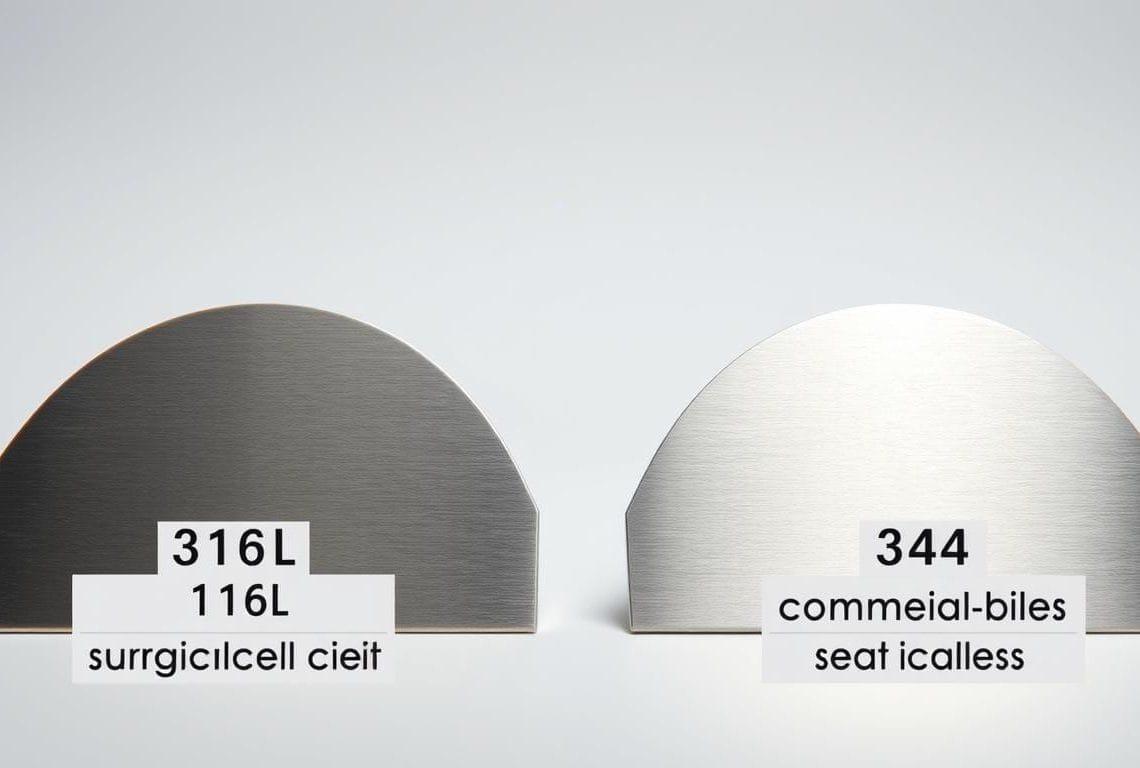
Common jewelry grades and nickel considerations
316L contains molybdenum, which improves corrosion resistance versus 304. That makes it a frequent pick for pieces worn during workouts and showers.
Nickel content varies by grade. Buyers should look for explicit “nickel-safe” notes or alloy numbers rather than vague retail terms.
What “surgical steel” means for all‑day comfort
“Surgical” is a trade phrase that signals smoother finishes and comfort-minded design. It is not a medical device claim, so transparency still matters.
Practical tips:
- Prefer mirror-polished posts and clean machining to reduce burrs and irritation.
- Test one pair briefly if nickel sensitivity is suspected; increase wear time gradually.
- When mixing metals, use a corrosion-resistant baseline to lower galvanic risks in moist conditions.
Fit Matters: Gauges, Inner Diameters, and Lengths Explained
Simple size choices—gauge, inner diameter, and length—drive how jewelry feels and performs. Get measurements right and the piece stays secure, comfortable, and low‑maintenance.
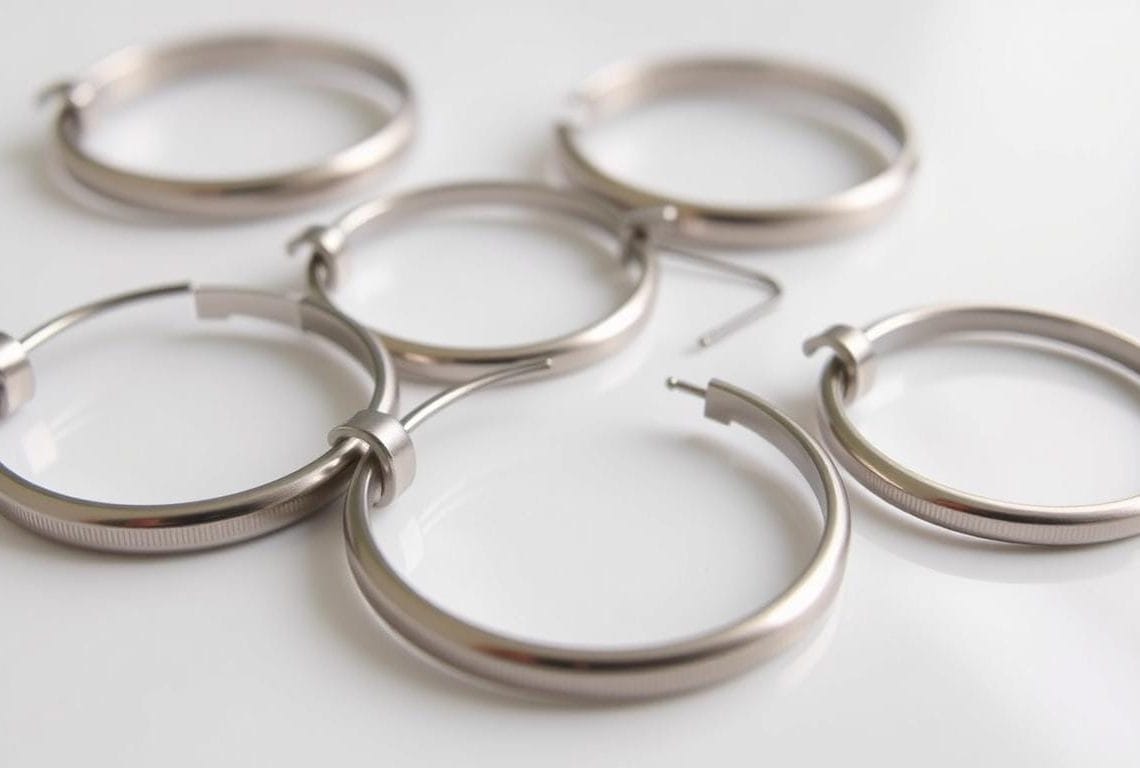
Gauges: 20g to 00g — lobes vs cartilage
Common gauges run from 20g (0.8 mm) up to 00g (10 mm). Most healed lobes use 20g–18g. Cartilage often fits 16g–14g. Stretching moves through 12g to 00g.
Inner diameters — choosing clearance and look
Inner diameters commonly include 5/16″ (8 mm), 3/8″ (10 mm), 1/2″ (12 mm), and 5/8″ (16 mm). Pick 5/16″ or 3/8″ for snug huggies. Choose 1/2″ or 5/8″ when tissue or stacked pieces need extra room.
Flare and threading types — secure vs easy access
- Double flare: stays secure without O‑rings; best for stable stretches.
- No‑flare: easier insertion and sizing changes.
- Internal threading: smoother on insertion; external threading is common and cost‑effective.
- Barbells: inner lengths like 3/8″ (10 mm), 9/16″ (14 mm), 5/8″ (16 mm) affect swelling clearance and sleep comfort.
Quick tip: Measure a favorite piece before upgrading to stainless or changing a hoop size. Active users should favor snug hoops and shorter barbells to cut snag risk.
Hoop Earrings in Stainless: Everyday Circles to Statement Sizes
Choosing the right inner diameter transforms a hoop from a snug daily piece into a bold statement. Size controls fit, snag risk, and how a piece reads next to other jewelry.
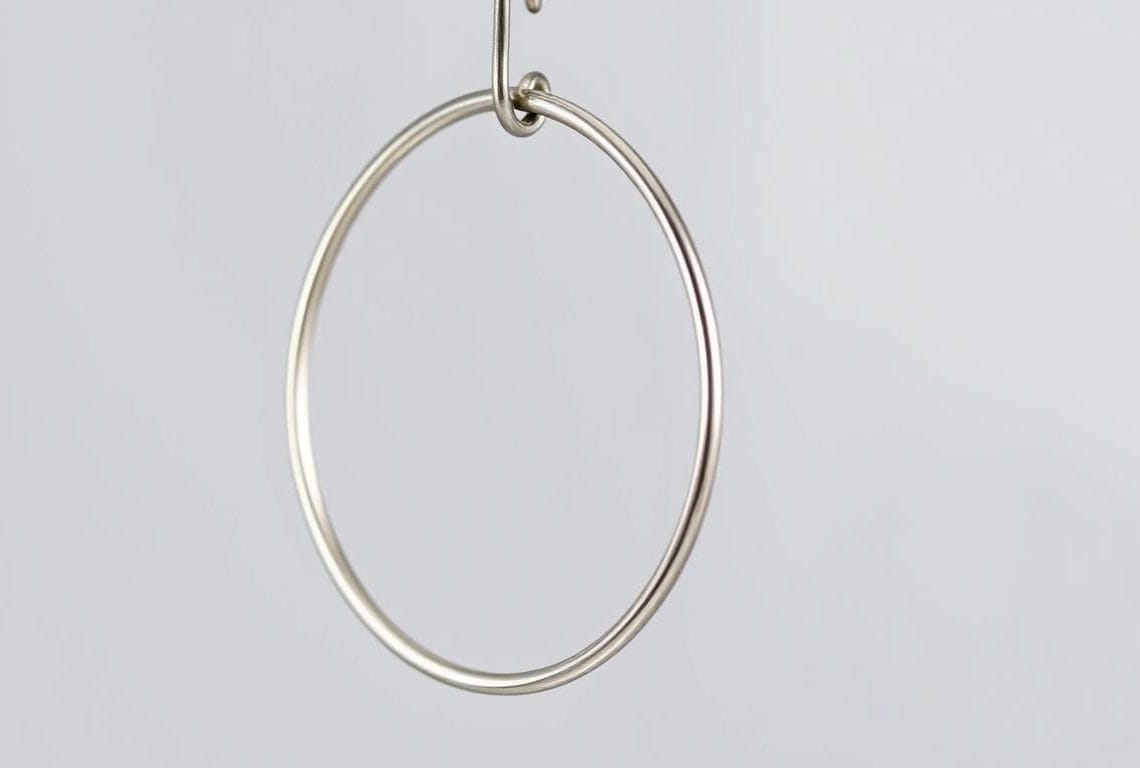
Choosing inner diameter for snug vs loose hoop fits
Common inner diameters sold in the U.S. include 5/16″ (8 mm), 3/8″ (10 mm), 1/2″ (12 mm), and 5/8″ (16 mm). These cover huggies through larger, showy hoops.
- Huggie fit: 5/16″ (8 mm) or 3/8″ (10 mm) sit close to the lobe and reduce snagging under hats and headphones.
- Statement fit: 1/2″ (12 mm) or 5/8″ (16 mm) create visible negative space and work well with thicker lobes or stacked sets.
- Durability & clasp: Mirror‑polished stainless hoops hold shape and tension; hinged clickers are quick and secure while seamless styles look sleek but need practice to insert.
- Stacking & symmetry: Match inner diameters for a balanced look, or step sizes gradually to add dimension across multiple piercings.
- Cartilage note: Choose smaller diameters and add 1–2 mm to the measured distance from the piercing to the ear edge for comfortable clearance.
Tip: pick a finish—polished or brushed—based on how much shine you want; polished mimics fine jewelry, brushed tones down reflections for daily, professional wear.
Stud Earrings: Minimalist Stainless Staples
Minimalist studs make a reliable base in any ear stack or work-ready capsule. They favor clean lines, low weight, and predictable wear patterns.
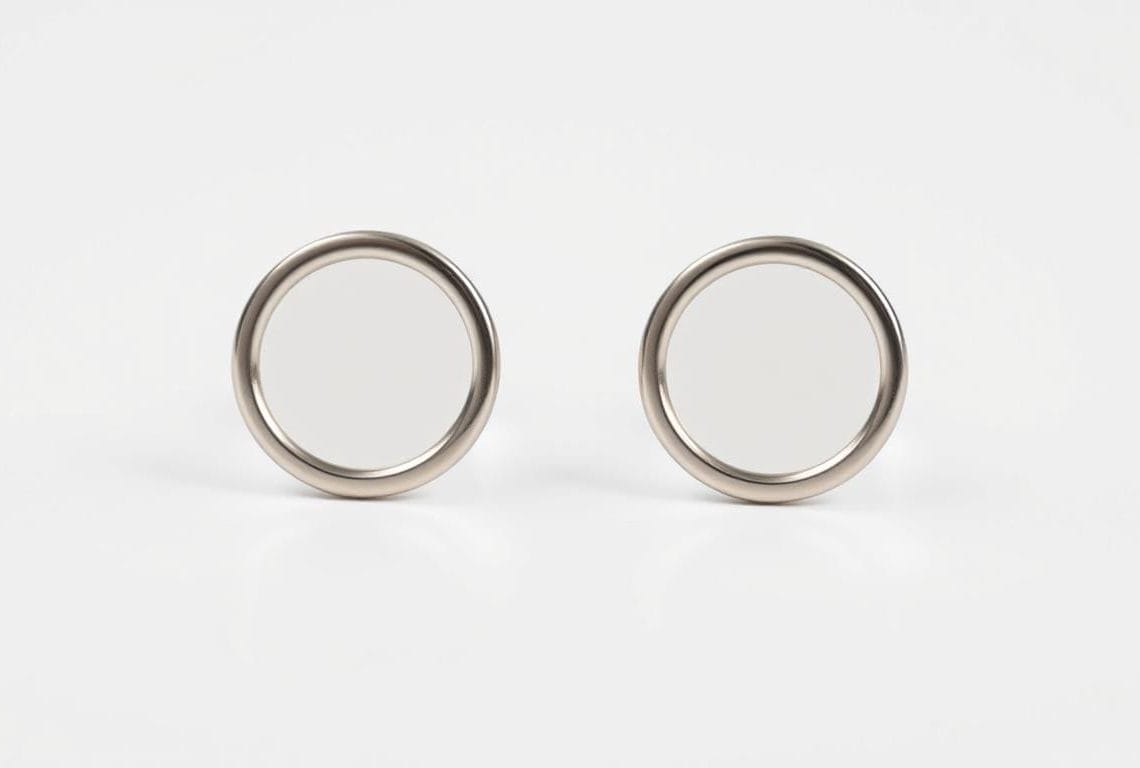
Comfort vs. convenience:
- Flat-back: sits flush and reduces pressure points — ideal for sleep, phone calls, and 24/7 wear.
- Butterfly (friction) back: fast to secure and adjust; classic and versatile for decorative fronts.
- Neatly machined posts and polished edges glide through healed piercings and cut abrasion risk.
Design notes: Minimal ball tops and bezel-set stones keep an understated, office-friendly look. Avoid heavy fronts that tug at the lobe during long days.
Practical pairing: Choose a matched stud pair for primary lobes, then add subtle huggies or micro-hoops to build dimension. For guidance on selecting quality pieces, see the stainless stud selection guide.
Ball Earrings and Barbells: Clean Lines, Low‑Maintenance Style
Ball-top studs and straight barbells offer a crisp, engineered look that fits both minimalist and active wardrobes. They read modern and stay unobtrusive under helmets and headsets.
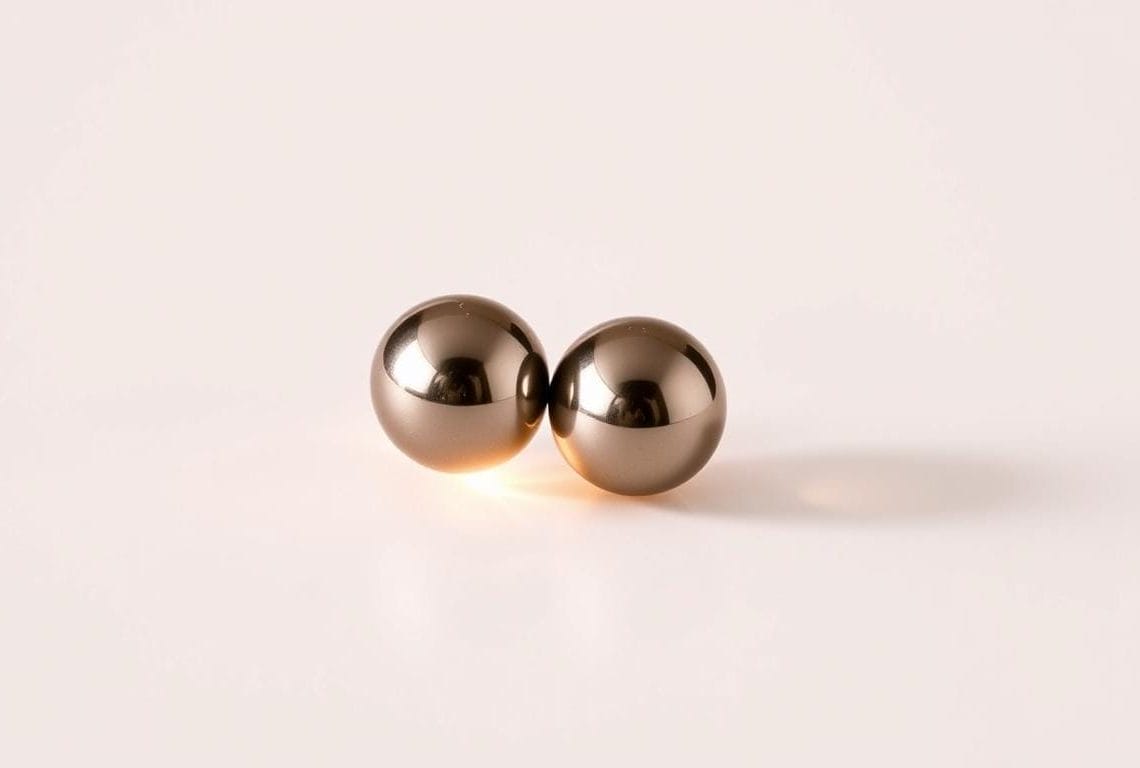
Fit matters: choose barbell lengths of 3/8″ (10 mm), 9/16″ (14 mm), or 5/8″ (16 mm) to limit movement and reduce snagging once piercings are healed.
Threading style changes the insertion feel: internal threading gives a smoother pass; external threads are common and budget-friendly when the ends are checked for burrs.
- Low profile options: small ball ends sit close to the lobe and work well for active days.
- Statement balls: larger ends become focal points in simple stacks without adding bulk.
- Durable finish: stainless construction preserves polish through regular cleaning — ideal for gym-goers and swimmers.
Choose matched posts and predictable lengths to build a reliable, low‑maintenance rotation that looks intentional and performs under daily stress.
Finishes and Coatings: Polished, Brushed, PVD, and Color Options
How a piece is finished determines reflectivity, scratch masking, and long-term color hold. This section explains common surface choices and when each suits daily wear.
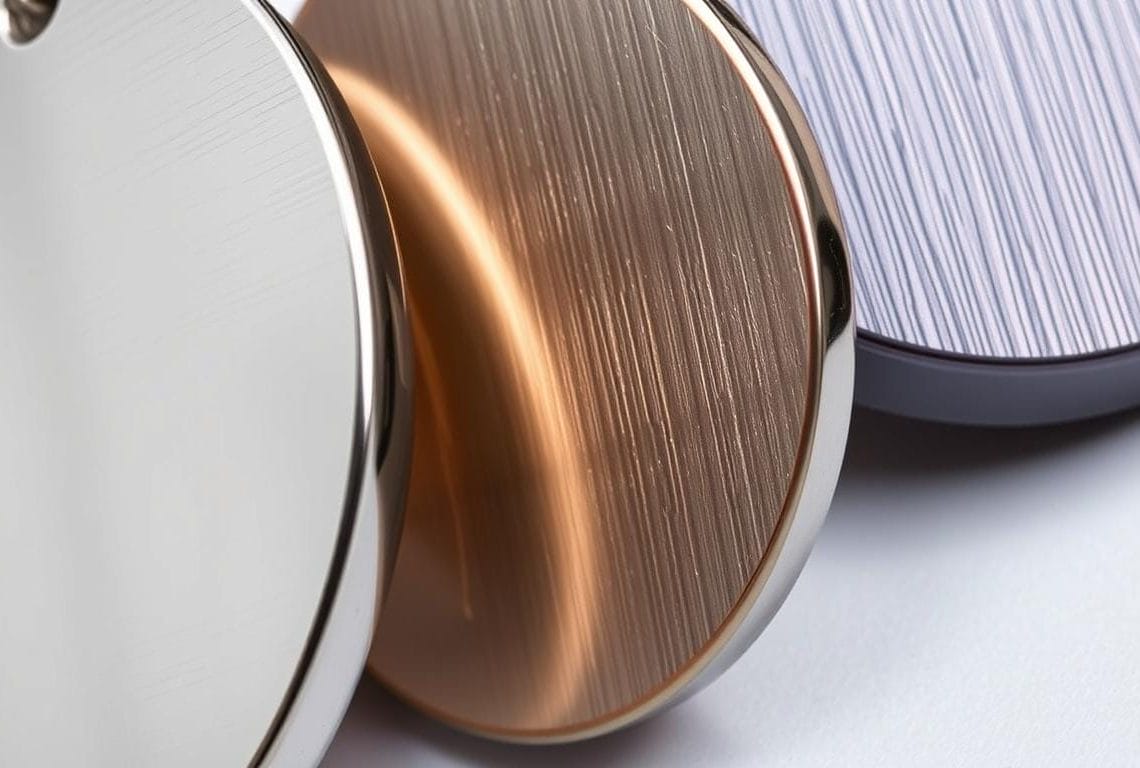
Mirror-polished vs satin/brushed: Mirror-polish maximizes shine and mimics fine metals. Satin or brushed surfaces diffuse light and hide micro-scratches from daily use. Choose polished for dress looks and photos; pick satin for low-glare, professional wear.
Colored PVD options and durability
PVD coatings on a stainless substrate yield durable gold‑tone, black, and rainbow hues. These finishes resist chipping better than basic plating and hold up well during sweat and routine cleaning.
- Mix finishes in an ear stack: a brushed stud next to a polished hoop creates deliberate contrast without clashing colors.
- Black PVD anchors minimalist looks; gold‑tone adds warmth; rainbow offers playful rotation for casual sets.
- Inspect edges and clasps: consistent finishing across visible and hidden surfaces signals higher quality and longer-lived color.
Practical tip: Favor pieces with polished contact points (posts, closures) and matched coatings on moving parts to reduce wear and color loss over time.
Everyday Durability: Sweat, Shower, and Gym Readiness
Active routines demand jewelry that keeps shape, resists moisture, and stays secure during motion.

Corrosion resistance: The alloy resists sweat, shower water, and humid air. That makes it a practical pick for daily earrings that need little removal between activities.
Gym-ready choices: Pick tighter-fitting hoops or low-profile studs to cut movement and snag risk. A snug hoop keeps alignment after sets and limits contact with towels or straps.
Quick care routine: After exposure to soap, chlorine, or salt, rinse and dry promptly. A simple rinse and soft cloth dry preserves the finish and extends service life.
- Closure longevity: Harder alloys hold clasp tension and geometry longer than softer base metals.
- Finish tip: Satin or brushed surfaces mask micro-abrasions for users with active jobs; polished pieces still shine but may show fine marks sooner.
Practical note: Regular checks of clasps and contact points keep daily sets dependable and ready for work, workouts, and travel.
Allergy Safety and Skin Sensitivity Best Practices
A short trial can reveal how any new piece sits with sensitive skin. Start small: wear one pair for a few hours, then check for redness, warmth, or itching. Increase wear time only when the area stays calm.
Patch testing and initial piercing considerations
Inspect before insertion: check posts and closures for burrs or rough edges. Clean contact points with mild soap and water, then dry with a soft cloth.
If a reaction appears: remove the piece, let the site rest, and switch to a known-safe option while reassessing size and finish. Seek medical advice for severe or persistent irritation.
- Healing first: follow your piercer’s aftercare. Only move to decorative pieces after full healing.
- Transition carefully: choose smooth, well-finished hoops and posts to balance comfort and durability.
- Allow airflow: avoid tight stacking early on — space components by choosing appropriate inner diameters to reduce pressure and moisture buildup.
For deeper guidance on material claims and safe choices, consult the stainless steel for earrings resource. These steps cut risk and help build a reliable, comfortable rotation.
Style Pairing: Dainty Looks to Bold Jewelry Stacks
Start any ear stack with a simple matched pair and build upward with one deliberate focal piece. This creates balance and a clear visual hierarchy.

Building a cohesive ear stack with hoops, studs, and balls
Begin with a base: a small matched hoop or subtle stud offers symmetry. Add one larger hoop or accent stud to act as the focal point.
Mix scales: place a tiny ball-top stud in a second lobe, a medium hoop in the primary lobe, and finish with a slim cartilage hugger.
Dainty picks for office and weekend wear
- Keep finishes cohesive—polished for a sleek look, brushed for low glare.
- Use negative space: leave one position empty to avoid overcrowding.
- Align hardware—hinges and flat-backs—so comfort stays consistent.
- Swap just one element on weekends: a bolder hoop upgrades the whole set.
Practical tip: choose pieces that match in scale and closure style to reduce snag risk and maintain a polished, intentional ear rotation.
Value and Pricing: What to Expect for Quality Stainless Jewelry
Price tags can hide important differences in gauge, finish, and machining—know what you’re really buying.
U.S. retail listings show a wide range: many sale pieces fall between about $0.50 and $10.95+. Entry-level items sit at a few dollars. Expect higher price points as specs and finishing improve.
How finish, gauge, and design impact price
Key drivers:
- Thicker gauges and larger inner diameters need more material—this raises cost.
- Precision hinges, advanced clasps, and high‑tolerance machining increase labor and price.
- Upgraded surfaces—brushed looks or durable PVD color—typically cost more than simple polish.
Minimalist stud and simple hoop styles usually cost less than decorative, multi-part designs. Matched pairs and sets often give better per-piece value for buyers building a rotation.
Tip: specialized features—internal threading, double‑flare ends, or plated coatings—add machining steps. Those steps improve comfort and durability but nudge the price up.
Smart shopping: compare like‑for‑like specs—gauge, diameter, clasp type—rather than judging by photos alone. For focused options geared toward men, see the stainless earrings for men guide.
Shopping Confidence: Shipping, Guarantees, and Support
Clear policies and quick replies turn an anxious purchase into a confident one. Shoppers should see shipping timelines, return windows, and security markers before checkout.
Fast shipping, free‑shipping thresholds, and returns
Look for tracked delivery and transparent costs. Common U.S. retailers list flat‑rate shipping (about $8.99) and free shipping over $70.
Cart prompts such as “You are $35 away from free shipping.” are a helpful sign of thoughtful UX.
- Tracked delivery: order numbers and courier links reduce post‑purchase anxiety.
- Clear costs: stated ship fees and free thresholds avoid surprises at checkout.
- Satisfaction guarantee: easy returns and refund windows cut risk on delicate items like stainless earrings.
Secure payments and customer support signals to check
Check for encryption badges and known processors at checkout. Responsive support with easy labels and return instructions is a trust marker.
- Welcome codes (e.g., WELCOME10) or cart discounts that are visible at purchase.
- Fast email or chat replies; phone help is a plus for complex orders.
- Product pages with exact specs—gauge, inner diameter, finish—and clear photos build confidence before buy.
Buyer’s Checklist: Choosing the Right Stainless Steel Earrings
Smart shopping hinges on three checks: material specs, precise sizing, and closure type. Use this short guide to confirm the right details before you buy.
Confirm material grade and hypoallergenic claims
Look for explicit grade listings such as 316L. Avoid vague “surgical” claims without alloy numbers.
Tip: brands that list nickel content and finish quality show better transparency.
Match gauge and inner diameter to your piercing
Most healed lobes use 20g–18g. Cartilage commonly uses 16g–14g. Measure an existing piece before switching sizes.
Pick inner diameters for fit: snug huggies reduce snags; larger circles suit stacked looks.
Assess clasp/back type, finish, and daily wear needs
Choose flat-backs for sleep and sensitive skin, hinges for quick on/off, and secure locks for active days.
Decide on finish—mirror polish for shine, brushed or PVD tones for low glare and long color life.
- Verify grade: explicit alloy number and hypoallergenic note.
- Confirm fit: gauge and inner diameter match your piercing.
- Pick closure: choose the back that suits lifestyle and comfort.
Care and Maintenance: Keep Your Stainless Earrings Looking New
Small maintenance steps extend service life and protect finish across daily wear. A brief routine after workouts and showers stops salt and soap buildup. Proper storage then prevents contact marks and lost parts.
Quick clean routine after workouts and showers
Rinse pieces in lukewarm water right after activity. Add one drop of mild soap and gently rub with fingers. Rinse again and dry thoroughly with a lint-free cloth.
Avoid harsh abrasives or chlorine-heavy cleaners. These can dull polished luster and harm brushed textures. If water spots appear, buff lightly with a soft microfiber cloth to restore shine.
Storage tips to prevent micro‑scratches
Store items individually in soft pouches or compartmented trays. Separate polished pieces from textured ones to limit abrasion.
- Close clasps before stowing hoops so hinge pins stay relaxed.
- Keep studs with backs lightly secured to avoid lost components.
- Inspect hinge joints and threading periodically—early repairs keep closures crisp and prevent accidental loss.
Where to Buy: From Dainty Designs to Body Jewelry Essentials
Smart shops categorize minimal stud pieces and work-ready hoop options so buyers land the right fit fast. This makes it easier to pick office-friendly looks or technical sizes for cartilage and stretches.
Look for retailers that publish full specs: gauge, inner diameter, inner length, finish, and clasp type. Clear listings cut guesswork and returns.
- Segmented catalogs: separate dainty daily lines from body-jewelry essentials to speed selection.
- Filter tools: filters by gauge (20g–00g), diameter (5/16″–5/8″), flare, and color—confirm color is PVD or equivalent.
- Real-life photos: images with ear measurements and scale help judge fit before checkout.
- Transparent costs: free-shipping thresholds, welcome discounts, and visible return policies reduce purchase risk.
Pro tip: choose vendors that list manufacturing details and show clasp geometry. That clarity saves time and ensures durable choices made in plain view of material labels like stainless steel.
Your Next Pair Awaits: Elevate Your Ears with Stainless Steel
Your Next Pair Awaits: Elevate Your Ears with stainless steel.
Invest in reliable basics first—then add accents—so every piece in the rotation earns its place. Choose a core duo: a dependable pair of stud and a versatile hoop sized to your lobe. Small specs—grade, gauge, inner diameter, and finish—drive comfort and longevity.
Use the buyer checklist to confirm material labels, closures, and exact measurements before checkout. Pick finishes that match your wardrobe and maintenance habits. Build a rotation that handles work, workouts, and weekends without constant swapping.
Shop confidently: favor clear shipping, simple returns, and precise product specs. That ensures repeatable comfort and pieces you reach for every day.