Can a tough, low-cost metal outshine gold in daily wear?
The buyer’s guide ahead explains why stainless steel for rings is rising in popularity across the United States. It lays out how the alloy’s composition—iron, carbon, and chromium—translates into real-world durability, corrosion control, and low maintenance.
Readers will learn who benefits most: active professionals, metal workers, and budget-minded shoppers seeking modern jewelry that lasts. The guide clarifies skin comfort, cleaning routines, and how passive chromium layers protect against rust.
Expect clear, practical advice: pros and cons, water and chlorine exposure, scratch resistance, trend notes, price versus value, and simple care steps. The aim is to help readers make confident, professional-grade choices when selecting a band.
The tone is expert but approachable—short steps and direct recommendations follow in the next sections.
Buyer’s Guide Overview: Why stainless steel for rings is trending now
Today’s shoppers want jewelry that pairs refined looks with real-world durability.
Macro trend: Minimalist aesthetics and practical needs are converging. Durable metal bands align with modern wardrobes while handling hands-on work and active hobbies.
Momentum is building because manufacturing and finishing techniques now produce more intricate styles at lower prices. Designers offer polished, matte, brushed, and engraved finishes—plus mixed-material options like wood and resin—without driving costs up.
Versatility: The category spans slim, understated bands to bold, engraved pieces that used to be limited to precious metals. That means more choices and more ways to match personal style.
Performance is a clear selling point: these bands resist daily wear and require minimal maintenance. That appeal draws workshop professionals, gym-goers, and trend-conscious shoppers alike.
- Select by finish and width to match lifestyle needs.
- Prioritize reputable makers for consistent quality.
- Use the guide ahead to compare care, durability, and value.
What stainless steel is made of and why it matters for jewelry
Knowing the exact mix of metals explains real differences in corrosion resistance and daily wear. A typical alloy uses an iron and carbon matrix with at least 10.5% chromium. That chromium layer forms a passive oxide film that blocks rust and staining in everyday environments.
Core components: iron, carbon (≤1.2%), and chromium — this trio defines basic corrosion control and finish stability.
Grades and added elements
316L is the common grade used in jewelry because it offers stronger corrosion resistance and better skin comfort. Some makers add nickel or molybdenum to improve formability and luster. Titanium additions boost durability without much extra weight.
Nickel and buyer checks
Nickel helps shapeability and shine but can trigger sensitivities. Shoppers who react to nickel should confirm hypoallergenic claims or seek nickel-free labels.
- Verify grade markings (like 316L) in product specs.
- Choose nickel-free or low-nickel options if you have sensitive skin.
- Expect better performance when molybdenum or titanium are present.
Bottom line: understanding composition helps buyers predict how a band will behave around water, soap, and daily abrasion — and choose the right material for their lifestyle.
Key advantages: durability, corrosion resistance, and low maintenance
Long-term performance matters: the right alloy resists dents, scratches, and daily stress. That reliability makes these bands a practical choice for people who work with their hands or wash often.
Everyday wear without worry about scratches or deformation
Everyday wear without worry about scratches or deformation
High tensile strength and fatigue resistance let a band hold its shape under stress. This durability suits jobs that involve heavy tools, yard work, or frequent hand motion.
The material’s surface resilience improves visible wear patterns. Compared with softer metals, you will see fewer marks over time. That means a cleaner look with less frequent touch-ups.
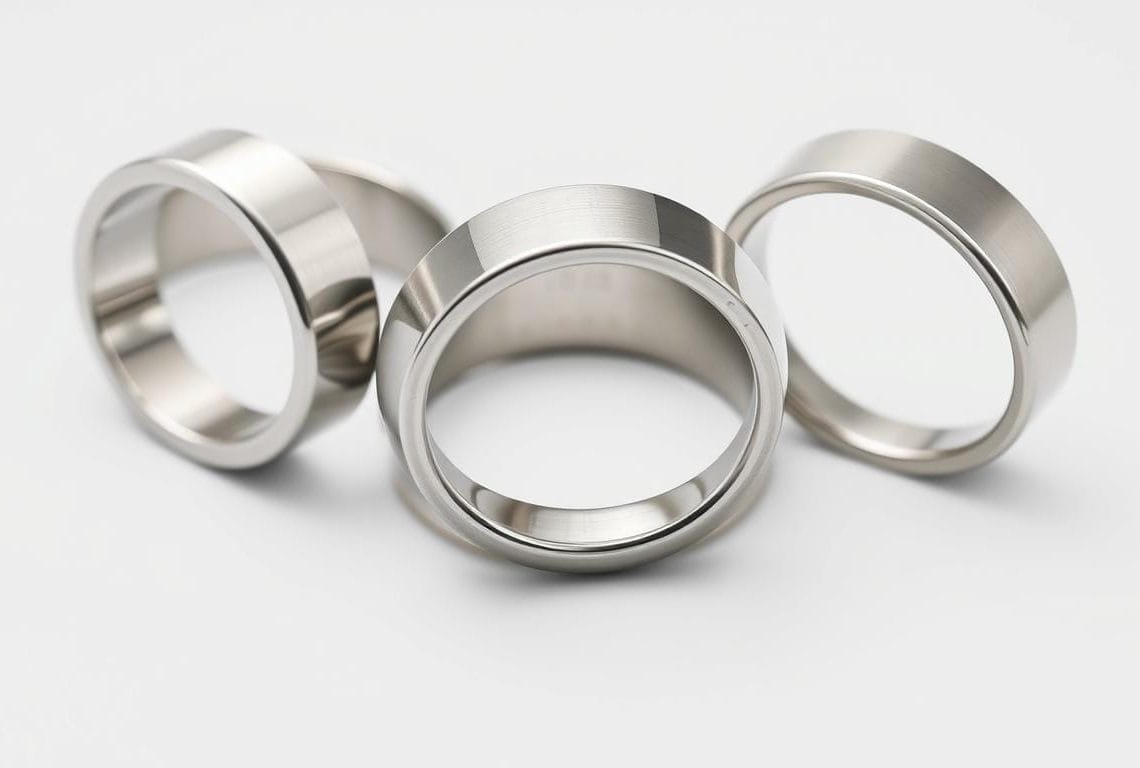
Resists tarnish and rust thanks to chromium’s passive layer
Chromium forms a thin, protective oxide film that blocks corrosion and tarnish. That passive layer preserves finish and color with minimal intervention.
- Durability advantage: holds shape under heavy use — ideal for daily work.
- Surface resilience: superior scratch resistance reduces visible wear.
- Low maintenance: no rhodium plating required — warm water and mild soap maintain the finish.
- Predictable performance: safe for outdoor tasks, shop work, and frequent hand washing when cared for.
Use cases: active professionals, homeowners, and metal workers will find the balance of toughness and clean aesthetics valuable over time.
Hypoallergenic stainless steel: allergic reactions and skin comfort
Many buyers worry that a metal band will irritate skin, but modern hypoallergenic alloys cut that risk significantly. Select grades are engineered to reduce contact with common irritants while keeping corrosion resistance and finish quality.

How hypoallergenic grades reduce reactions
Low-nickel mixes and stable surface oxides make these alloys biocompatible and inert. In normal use the metal does not leach into the body, so allergic reactions are rare.
Quality options like 316L offer proven skin comfort and hold finishes through daily wear. That makes them a reliable choice when choosing stainless steel jewelry or a stainless steel ring for everyday use.
What to check if you’re nickel-sensitive
- Confirm grade markings (look for 316L or “nickel‑reduced”).
- Verify hypoallergenic claims and read the return policy.
- Test-wear: start with a few hours, inspect skin for redness or itching.
- Keep purchase documentation—grade notes help if reactions occur later.
Final note: metals labeled hypoallergenic lower risk but do not guarantee zero reactions. Use the checklist and gradual testing to protect sensitive skin while enjoying durable, low-maintenance bands.
Pros and cons specific to stainless steel rings and wedding bands
Choosing a band means weighing clear trade-offs between everyday toughness and design options. This section lists what buyers gain and what to watch for when selecting a durable metal wedding band.
Pros
- Finish longevity: Long-lasting shine with only occasional repolishing needed after years rather than months. Warm water and mild soap keep the surface bright.
- Comfort and safety: Lightweight wear, good comfort fit, and lower electrical conductivity — and in emergencies the band can be removed with standard cutting tools.
- Value and sustainability: Lower upfront cost than precious metals and fully recyclable material reduce ownership cost and environmental impact.
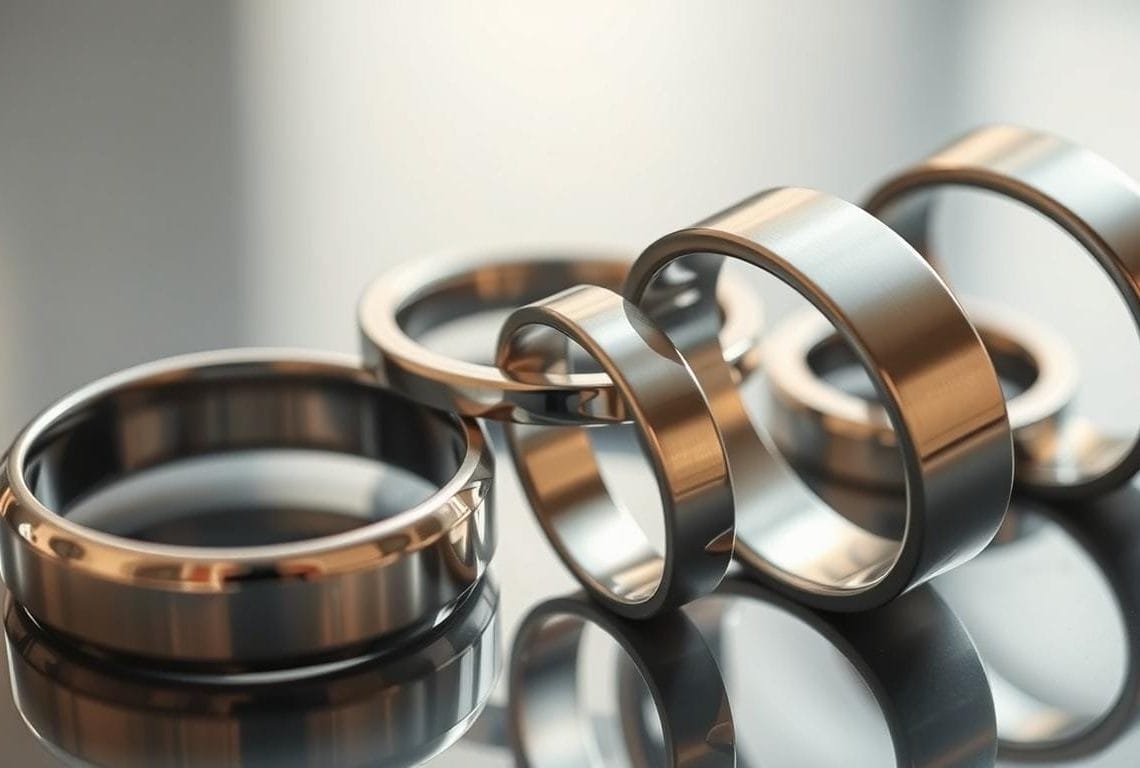
- Availability: Fewer in-store selections; many buyers will browse online catalogs to find specific styles.
- Chemical sensitivity: Chlorine and harsh pool chemicals can dull or damage finishes — avoid prolonged exposure.
- Resizing difficulty: Hard to resize with standard tools; TIG or laser welding is often required. Plan an accurate size or use specialist services.
Balanced verdict: For most daily wearers, the pros outweigh the cons when basic care and sizing foresight are applied. Buyers who prioritize shine, comfort, and low cost will find these bands a sensible, eco-friendly choice.
Scratch resistance and long-term durability over years of wear
When a band meets hard use, its tensile and fatigue ratings determine how it ages over time. Mechanical strength keeps the band’s shape under compressive and bending loads from daily manual work. That stability preserves fit and prevents deformation.
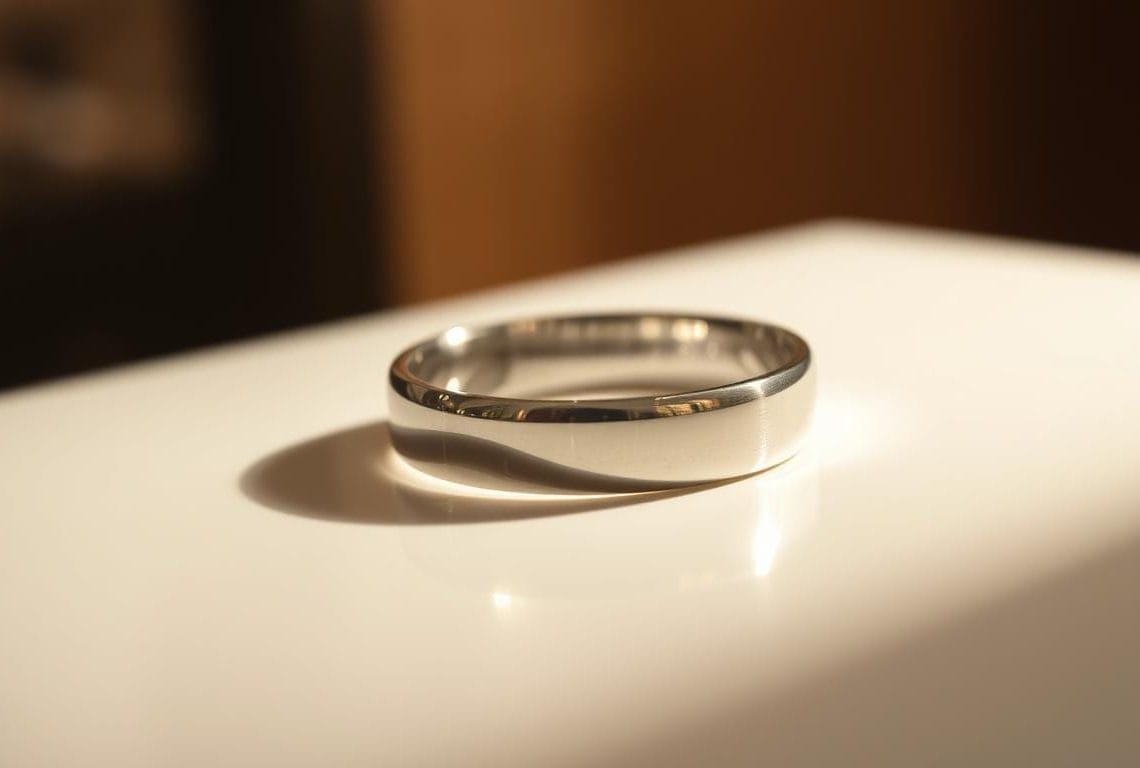
Surface hardness matters: a harder face shows fewer visible abrasions than softer metals. That scratch resistance helps the finish look cleaner with regular wear and minimal polishing.
Limitations exist: these bands are scratch resistant, not scratch-proof. Contact with harder surfaces or gemstones can mark the surface. Expect cosmetic marks over long spans of heavy use.
- Durability: maintains geometry and resists bending under daily stress.
- Appearance: harder surfaces hide small abrasions, extending a polished look.
- Care tip: check edges and inner faces for grit—cleaning prevents micro‑abrasions.
Over years, basic care preserves both structure and finish. Compare alternatives: a titanium option offers similar strength with less weight but similar resizing challenges. For a close look at options, see a trusted stainless steel ring resource.
Water, soap, and chlorine: what’s safe and what to avoid
Simple habits—like drying after contact with tap water—extend a band’s life.
Daily contact with fresh water is usually safe. Tap water and rain do not harm the finish in normal use. Wipe the band dry after exposure to prevent mineral spotting and water marks.
Daily exposure and warm water cleaning
Clean periodically with warm water and a mild soap. Rinse thoroughly and dry with a microfiber cloth. This gentle routine preserves the passive oxide layer and reduces visible wear.
Why chlorine pools can damage finish and how to protect your band
Chlorine, bleach, and strong detergents can attack the passive film and cause dulling or even localized corrosion over time.
- Remove the band before swimming or when using harsh cleaners.
- If accidental exposure occurs, rinse immediately with fresh water and dry.
- Avoid sulfur baths and strong household chemicals that can leave films or encourage pitting.
Maintenance tip: Regular gentle cleaning supports long-term appearance. For guidance about pool use, read this practical note on wearing stainless steel rings in pools.
Styles, finishes, and current design trends in stainless steel rings
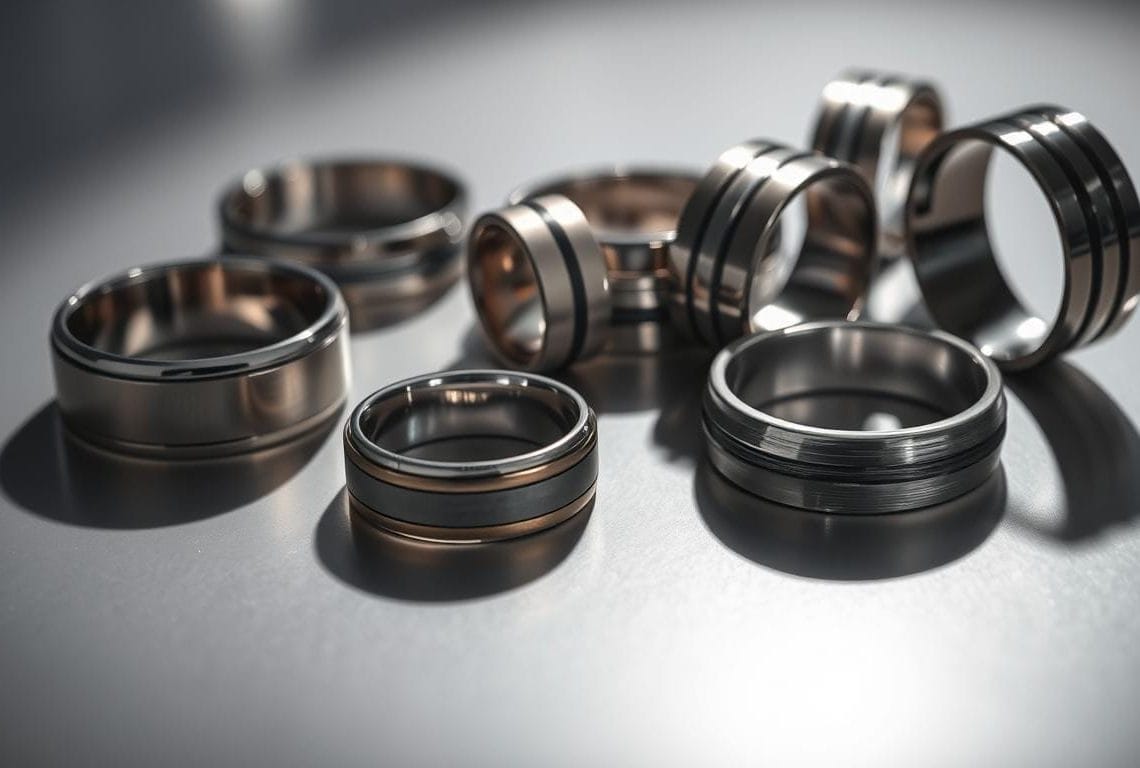
Contemporary bands pair functional profiles with finishes that read more like art than hardware. This shift keeps everyday wear practical while offering more visual variety.
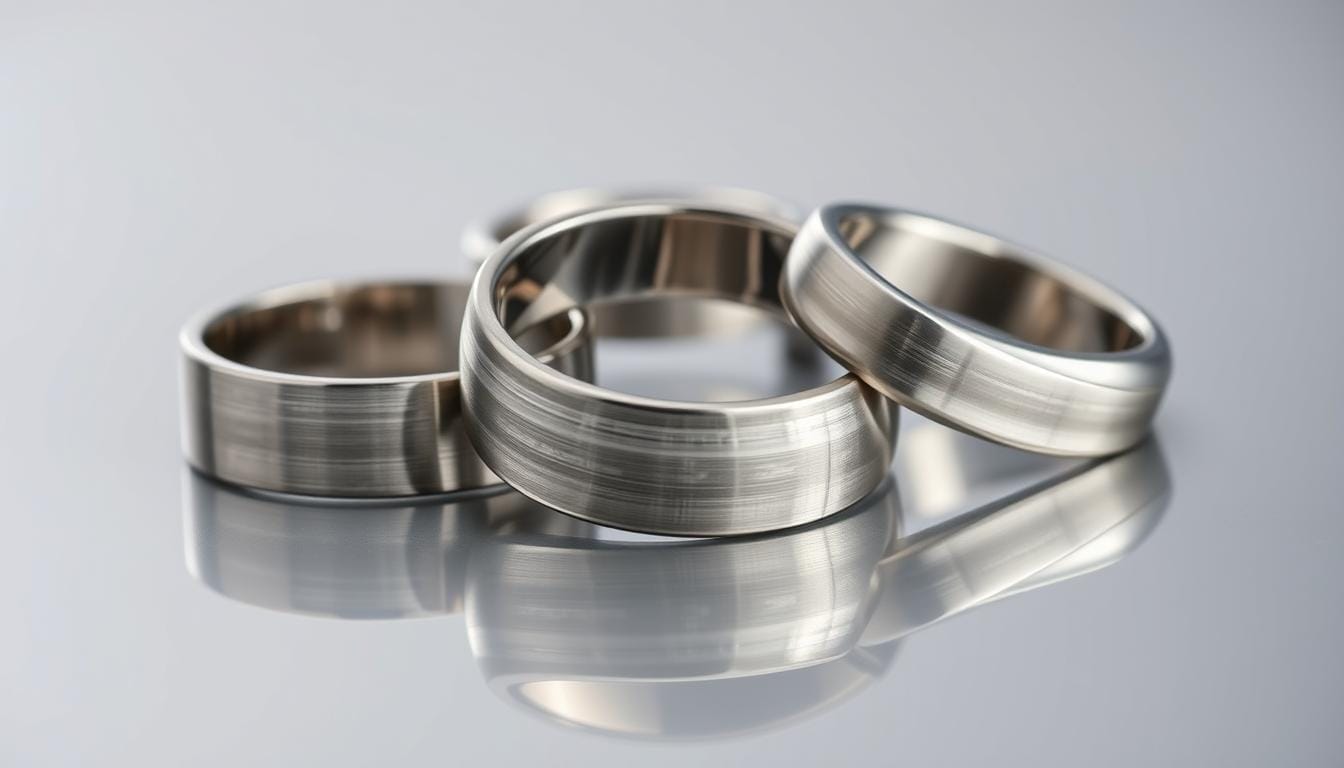
Finish landscape: polished gives a mirror shine; matte and brushed reduce glare and hide micro‑marks. Engraved patterns add texture and personalization without adding weight.
Mixed-media looks and production advances
Inlay options—wood, resin, and carbon fiber—create contrast and depth. These mixed-material pieces maintain durability and introduce unique color and grain.
Precision machining and laser engraving allow intricate motifs at accessible prices. That makes complex geometric and blackened accents a current favorite.
- Care note: matte and brushed finishes hide scuffs; polished faces need regular wipe-downs.
- Fit tip: choose lower profiles for glove use; beveled edges boost comfort during manual work.
- Trend cue: minimalist silhouettes remain strong, while textured and blackened details appeal to modern tastes.
Price and value: comparing stainless steel to gold, silver, and platinum
A clear cost comparison helps buyers choose a band that fits budget and lifestyle.
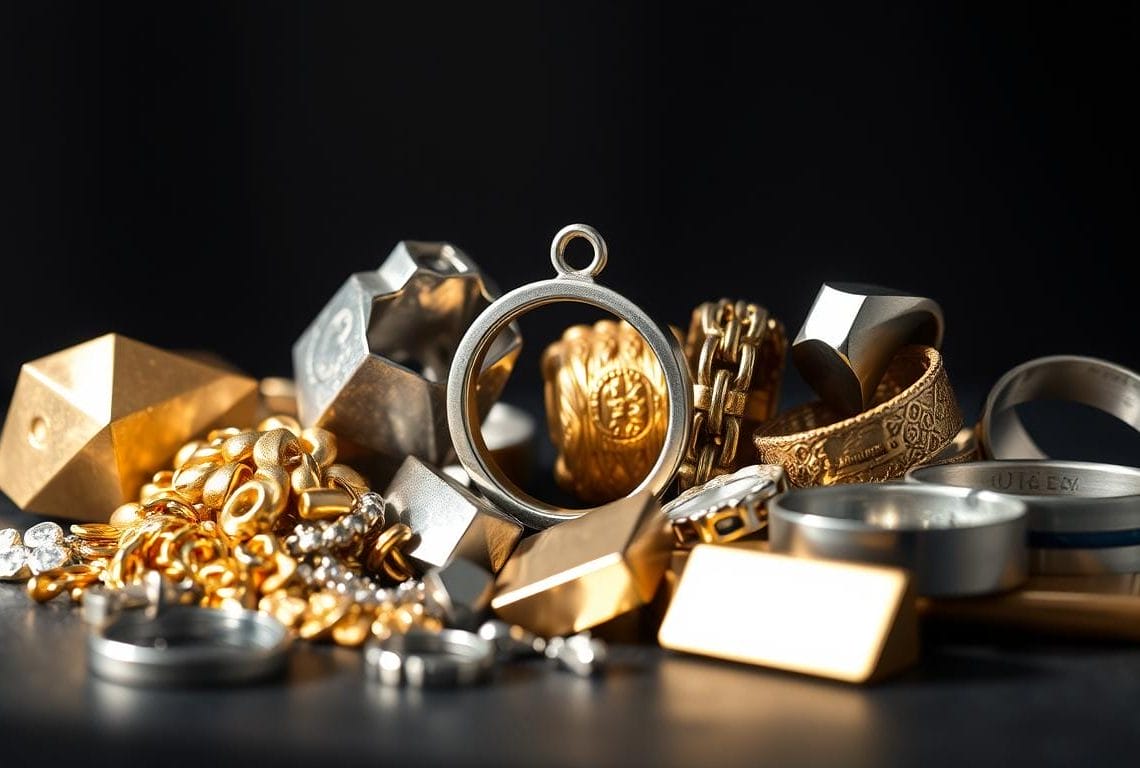
Upfront cost: Stainless steel offers similar visual appeal at a fraction of the price of gold or platinum. That lower purchase price makes style experimentation practical.
Lifetime maintenance: These bands avoid recurring rhodium plating or frequent polishing. Routine cleaning keeps the finish, so long-term maintenance spending stays low.
Cost vs. opportunity: what buyers gain
- Value case: long service life at far lower cost than gold or platinum.
- Upkeep comparison: no plating cycles and less polishing save money over years.
- Aesthetic parity: a polished band can mimic platinum-like luster without the premium.
- Opportunity cost: savings redirect to multiple styles or matching jewelry pieces.
- Resale note: unlike precious metals, these bands are bought for use-value, not investment.
Buyer takeaway: For practical wearers, total cost of ownership makes stainless steel a strong value proposition when compared to gold, silver, and platinum.
Eco-friendly and safety benefits you might not expect
A closer look shows these metal bands carry unexpected environmental and safety benefits.
Recyclability and lower environmental impact: The alloy used in many bands is fully recyclable with high recovery rates. Recycled feedstock reduces mining and energy use compared with many precious metals. That lowers the product’s lifecycle footprint and cuts waste over time.
Production and maintenance advantages: Manufacturing and routine care typically use less energy and fewer harsh chemicals than gold or platinum cycles. Durable pieces need fewer replacements, which reduces cumulative environmental costs.
Biocompatibility and everyday safety notes
These alloys are inert and well tolerated by most skin types. That makes them a practical choice in jewelry that touches skin daily without biological effects.
Safety features: Lower electrical conductivity than gold or silver reduces incidental shock risk. In emergencies, a band can often be removed with standard cutting tools—an important safety consideration.
- Prioritize pieces with documented recycled content and supply-chain disclosure.
- Choose durable designs to limit replacements and waste.
- Verify hypoallergenic claims if you have sensitive skin.
Long-term impact: Durable, recyclable metals reduce landfill burden and lower lifetime energy use, making this category a pragmatic option for eco-minded buyers.
Stainless steel ring sizing and resizing: realities, methods, and costs
Resizing a modern metal band is more like a small repair job than a quick jeweler’s tweak.
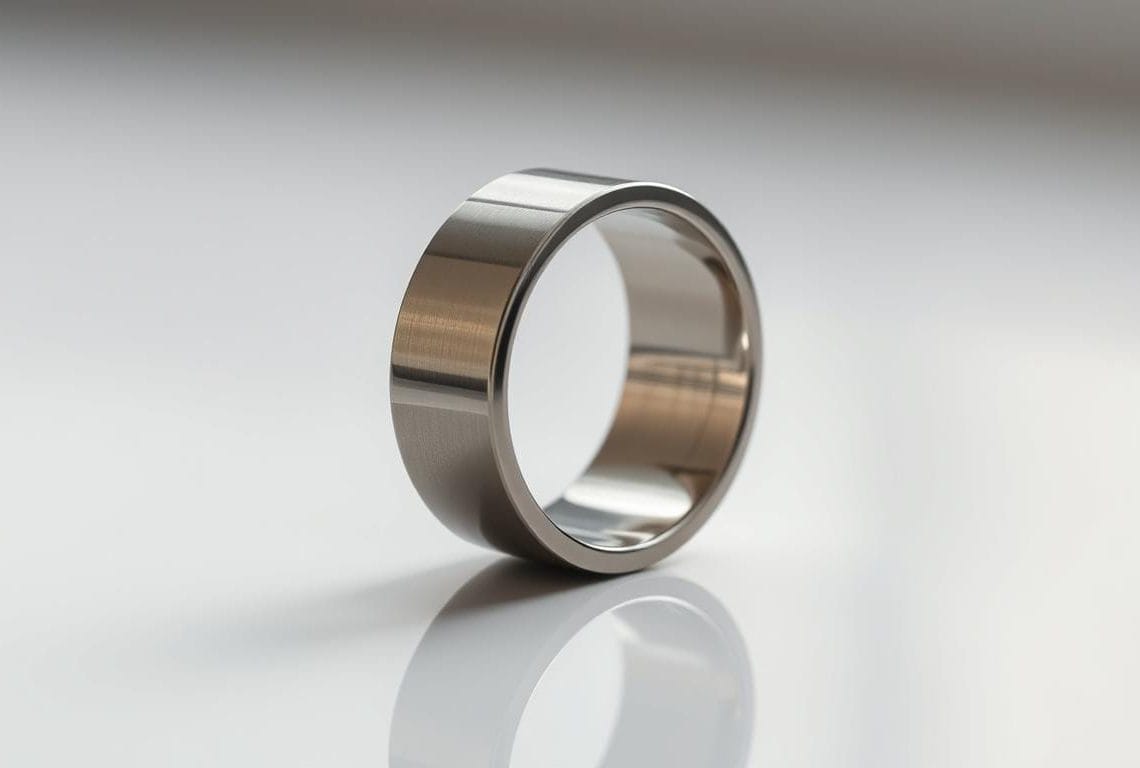
Hard alloys have high melting points and tight tolerances. That makes size changes more complex than with gold or silver. Many local shops lack the tools needed to alter a stainless steel ring safely.
Why resizing is difficult and when specialized tools are needed
Adjustments require TIG welders or high-powered laser welders and precision finishing gear. Those tools let a technician cut, weld, and refinish without cracking or warping the face.
Set expectations: expect workshop-level skill—standard bench soldering usually won’t work.
Typical price ranges and alternatives if resizing isn’t an option
- Sample pricing: 0.5–1 size ≈ $55; 1.5 size ≈ $65; 2 sizes ≈ $75; 2.5 ≈ $85; 3 ≈ $95.
- Preparatory step: confirm finger size with a reliable gauge before purchase to reduce risk.
- Alternatives: convert the piece into a pendant, use a silicone insert, or wear the steel ring on a chain if resizing fails.
- Vendor tip: choose specialists experienced in the method and finishing to avoid visible flaws.
Buyer note: weigh the added cost against the cons stainless steel offers—durability often pays off, but plan sizing up front for best results.
Care and maintenance: warm water, mild soap, and microfiber cloth
A short, repeatable routine keeps metal jewelry looking new without special tools. This clear method preserves finish and reduces the need for repairs. Follow the steps below to protect shine and extend service life.
Step-by-step cleaning method for lasting shine
- Mix a bowl of warm water and add a few drops of mild soap to loosen oils.
- Gently wipe the piece following the grain with a soft cloth—do not scrub across the finish.
- Use a soft-bristled brush to reach crevices and remove trapped grit.
- Rinse thoroughly with fresh water to remove residue and prevent spotting.
- Finish by drying with a clean microfiber cloth; repeat drying with a second microfiber cloth if needed.
Storage tips and chemicals to avoid
Do not use toothpaste, paper towels, or abrasive polishing cloths. These can create micro-scratches or harm inlays.
- Store pieces separately in lined boxes or soft pouches to prevent abrasion between items.
- Avoid chlorine, bleach, sulfur baths, and strong detergents that degrade the passive layer over time.
- For stainless steel jewelry and steel jewelry with inlays, keep them away from harsh cleaners and pool chemicals.
Quick care tip: This simple maintenance routine—warm water, soap, brush, and microfiber cloth—protects finish and keeps the item ready for daily wear. Proper care stainless steel extends life and preserves shine.
Best use cases: active lifestyles, daily wear, and work environments
Active days demand gear that keeps up — including the band you wear every day.
Durability and low maintenance make these bands ideal for busy people. They resist scratches and deformation, so they stay serviceable over long stretches of time.
- Gym and workshop use: recommend for users who lift, handle tools, or work outdoors — impact and abrasion resistance protect the finish.
- Office-to-field versatility: one band transitions from client meetings to job sites with minimal care and fast cleaning.
- Glove compatibility: choose low‑profile profiles to prevent snagging under PPE and during manual tasks.
- Moisture-ready travel: routine handwashing, sweat, and varied climates are manageable with prompt drying and periodic cleaning.
- Longevity focus: consistent performance over time makes these pieces a practical everyday staple for tight schedules.
Quick buyer question: Do you need a single durable band that works across environments? If yes, prioritize fit and profile and expect long service life with simple upkeep.
Stainless steel rings versus other metals and materials
Choosing the right metal affects look, upkeep, and how a band ages.
Gold, silver, and platinum: these precious metals carry higher upfront cost and different care needs. Gold and silver often need more polishing and may require plating to retain bright finishes. Platinum appears bright but can show surface wear differently and usually costs significantly more.
Polished stainless steel can mimic platinum’s brightness at a lower price and with less frequent upkeep. Precious metals still appeal as heirlooms or investments — choose them when resale value or tradition matters.
Titanium comparison: weight, strength, and comfort
Titanium is ultra-light and very strong. It suits users who want minimal weight and high durability.
Both titanium and stainless steel provide good scratch resistance versus softer gold alloys. Resizing can be difficult with either metal—specialist tools are often required. For a detailed material comparison, see a practical titanium vs stainless steel rings guide.
- Upkeep cycles: stainless steel minimizes polishing vs gold and silver.
- Look: polished steel mimics platinum at lower cost.
- Weight: titanium is lighter; steel offers a satisfying heft.
- Scratch behavior: steel generally resists everyday marks better than soft precious metals.
- Resizing: both require specialist tools—measure carefully before purchase.
Selection logic: choose stainless steel for cost-effective durability, pick titanium for lightness and comfort, and consider gold or platinum when investment or tradition is the priority.
How to choose the right stainless steel ring for your style and skin
Selecting a band blends personal taste with practical checks—fit, finish, and skin comfort matter most.
Fit first: Choose a comfort‑fit interior if the band will be worn all day. Wider bands contact more skin and benefit from a rounded inner profile that reduces pressure points. Try sizes at the end of the day when fingers are slightly larger.
Pick a finish by lifestyle: Brushed and matte faces hide micro wear during hands‑on work. Polished surfaces look dressy but need more wipe‑downs. Engraved textures add personality while masking small scratches.
Width, edges, and matching accessories
Dial in width based on activity: narrow bands slip under gloves; wider profiles make a bolder statement. Prefer rounded or beveled edges to avoid hotspots on the skin during repetitive tasks.
Coordinate with other jewelry: Match metal tones to watches and consider layered necklace pairings when planning a full look. Mixed inlays—wood, carbon fiber, or dark accents—offer balanced contrast without adding weight.
- Sensitive skin check: Verify hypoallergenic grade (e.g., 316L) and do a short wear test if nickel sensitivity is a concern.
- Try before you commit: Test how the ring feels during typical tasks—typing, tool use, or wearing gloves.
- Learn more: For additional buying guidance see a practical how to choose rings resource.
Quick takeaway: prioritize comfort-fit interiors, choose a finish that matches daily wear, and verify hypoallergenic options to protect skin while keeping style consistent with other pieces.
Where to shop: trusted options for stainless steel jewelry and bands
A focused search will reveal retailers that balance design variety, clear specs, and after‑sale support.
Start online: e-commerce sites tend to offer the broadest selection of stainless steel jewelry and niche designs. Browsing stores first helps compare finishes, widths, and inlays without driving between shops.
Recommended sellers to explore: Inox Jewelry, & Ever, Mimmic, My Daily Styles, Luxcentriq, and Julie Lake Objects. These vendors cover a range of price points and styles—basic bands to mixed‑media pieces.
- Check transparency: verify grade disclosure (e.g., 316L), return windows, and resizing or repair services.
- Cross‑category buys: many sites sell matching bracelets, a necklace, or earrings—use sets to keep tones consistent.
- Inspect reviews and photos: customer images reveal true finish quality and fit feedback more reliably than staged product shots.
- Prioritize service: choose sellers that offer engraving, polishing, or specialist resizing to protect your purchase long term.
Quick guide tip: start with online comparison, then confirm sizing and service policies before checkout to secure a confident purchase.
Your next step: a confident path to choosing stainless steel for rings
Start with a short checklist to turn options into a confident purchase.
Confirm basics: check alloy grade, pick a finish, set width and comfort-fit, and match the design to daily tasks. This reduces surprises and aligns long-term wear with expectations.
Plan simple care: schedule a quick monthly cleaning with warm water, mild soap, and a microfiber cloth. Avoid chlorine exposure to preserve the passive film and limit time in pools.
Address sizing early: measure at day’s end and choose sellers that list specialist resizing services. Accurate sizing saves money and preserves the piece.
Balance the pros and cons: weigh durability, cost, and sustainability against limited in-store variety and resizing complexity. Shortlist three designs, verify specs, and buy from a reputable seller with clear policies.
Final action: use this guide as a practical map—pick, care, and check periodically to keep the ring looking and performing at its best.