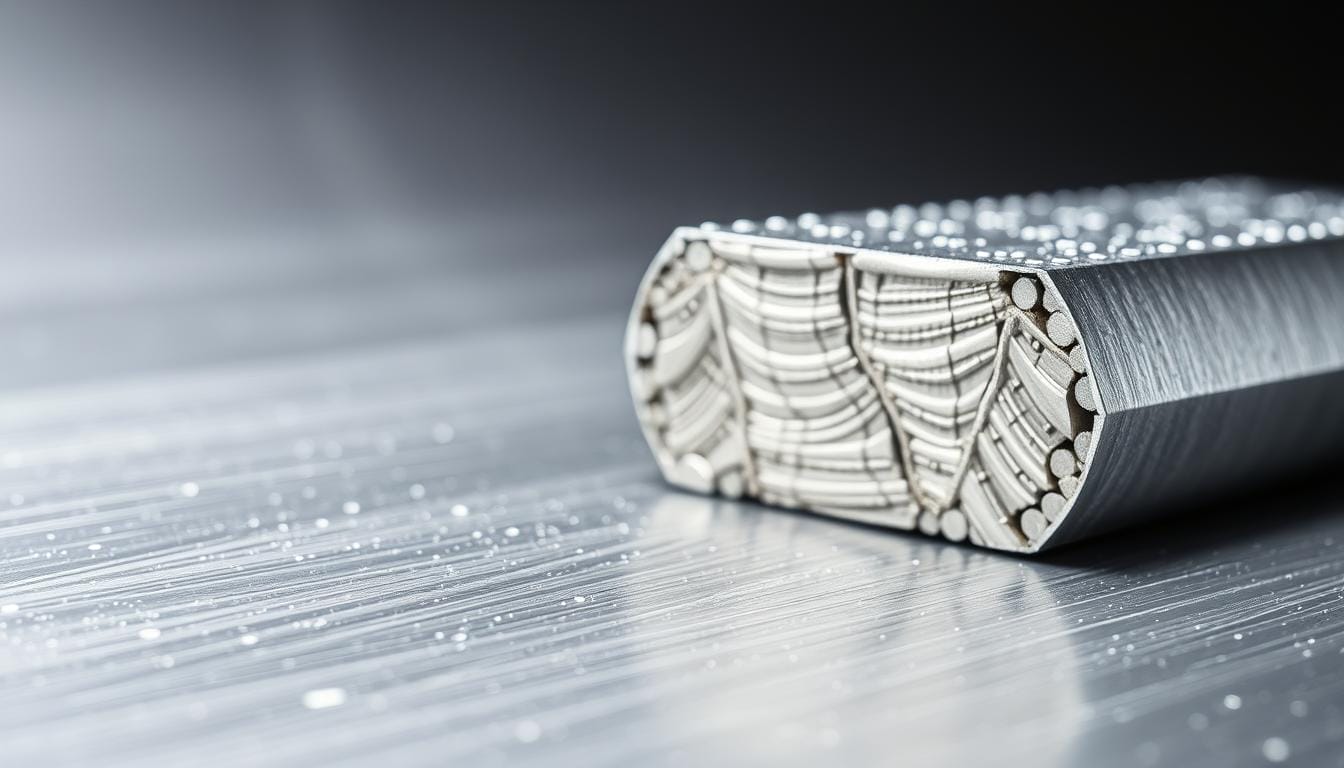
Every year, over 8 million tons of recycled materials get transformed into products used in construction, healthcare, and aerospace. What makes this possible? A corrosion-resistant alloy known for its durability and versatility.
This material begins its journey in electric arc furnaces, where scrap metals merge with additives like chromium and nickel. These elements form a molten blend engineered for strength and resistance to rust. The result? A 100% recyclable product that outlasts traditional metals by decades.
Carbon plays a critical role here. By adjusting its levels during manufacturing, experts tailor the alloy’s hardness and flexibility. This precise control allows industries to select grades optimized for extreme temperatures or heavy wear.
Sustainable practices further elevate its appeal. Unlike single-use alternatives, this metal’s lifecycle stretches across generations through repeated recycling. Its eco-friendly production process slashes energy use by up to 70% compared to virgin material creation.
From skyscrapers to surgical tools, these engineered properties make the alloy indispensable. The next sections will explore how specific components shape its performance in modern applications.
The Basics of Stainless Steel: Composition and Sustainability
Modern engineering relies on alloys that balance strength with environmental responsibility. One such material combines iron with critical additives to create lasting solutions for industries worldwide. Its secret lies in elemental synergy and eco-conscious design.
Defining Key Components
At its core, this alloy integrates chromium (minimum 10.5%) and often nickel. These elements trigger a chemical reaction, forming an invisible oxide layer that blocks rust. Three factors enhance this protection:
- Chromium concentration directly impacts corrosion resistance
- Nickel improves flexibility in extreme temperatures
- Carbon levels adjust hardness for specific applications
Eco-Friendly Lifecycle
Unlike single-use materials, this metal’s water distribution systems demonstrate its reusable nature. Over 90% of construction-grade alloys get recycled, cutting energy use by 70% compared to new production. Key sustainability advantages include:
- Infinite reprocessing without quality loss
- Reduced mining demand through scrap utilization
- Lower carbon footprint across manufacturing cycles
This combination of durability and green credentials makes it a first choice for forward-thinking projects.
Exploring the Manufacturing Process of Stainless Steel
The journey from raw materials to finished product involves multiple critical steps. Advanced techniques transform recycled scrap into corrosion-resistant alloys through tightly controlled phases. Each stage optimizes structural integrity while maintaining eco-friendly practices.
Melting and Molten Alloy Creation
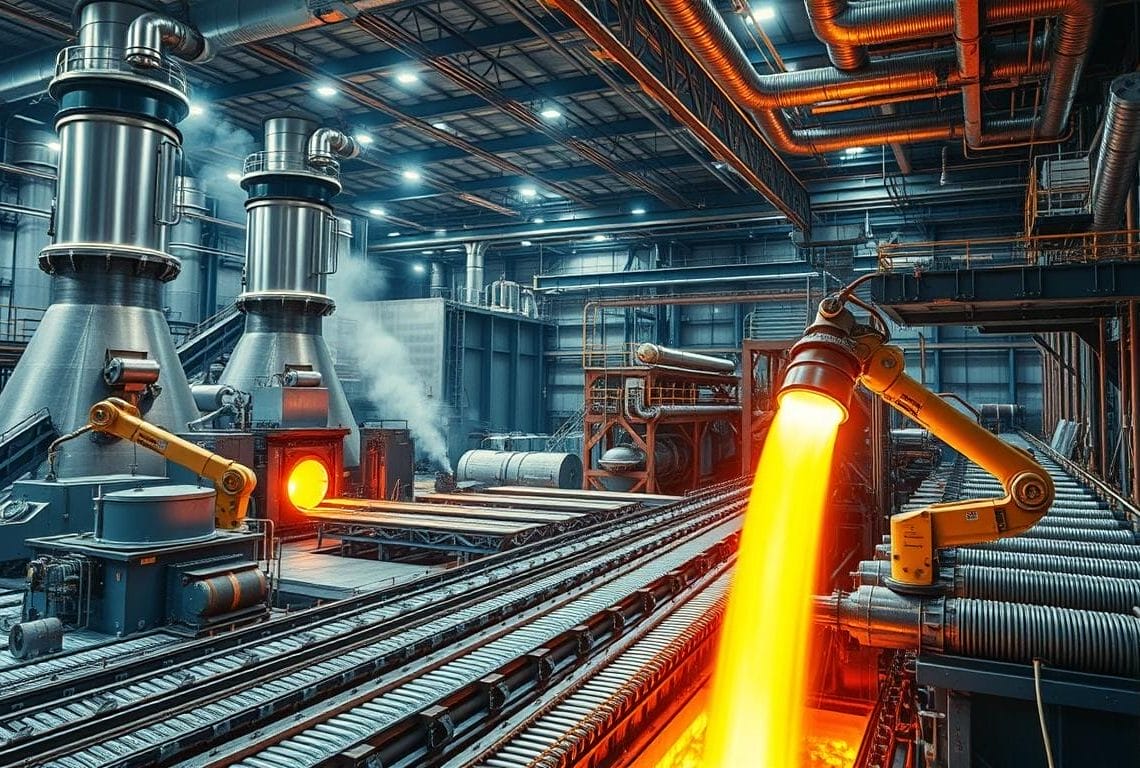
Electric arc furnaces melt scrap metal at 1,600–1,700°C. Operators blend iron with chromium and nickel, maintaining precise temperatures to ensure uniform mixing. Time management prevents oxidation while achieving optimal viscosity for pouring.
Carbon Reduction and Decarburization Techniques
Argon Oxygen Decarburization (AOD) injects gases to remove excess carbon. This step balances hardness and flexibility. Vacuum Oxygen Decarburization (VOD) serves as an alternative for specialty grades requiring ultra-low carbon content.
Forming, Rolling, and Finishing Processes
Hot rolling shapes slabs at 1,200°C, while cold rolling enhances surface quality. Annealing relieves stress through controlled heating and cooling cycles. Descaling removes impurities, preparing materials for polishing or coating.
Quality checks verify thickness, tensile strength, and corrosion resistance. These measures ensure compliance with international standards across industries like automotive and medical device manufacturing.
stainless steel is made of: Key Alloying Elements and Their Impact
Behind durable materials lies a science of component balance. Specific elements combine through advanced metallurgy to create alloys that resist wear, corrosion, and deformation. Their proportions determine performance across thousands of industrial applications.
Chromium and the Formation of the Passive Oxide Layer
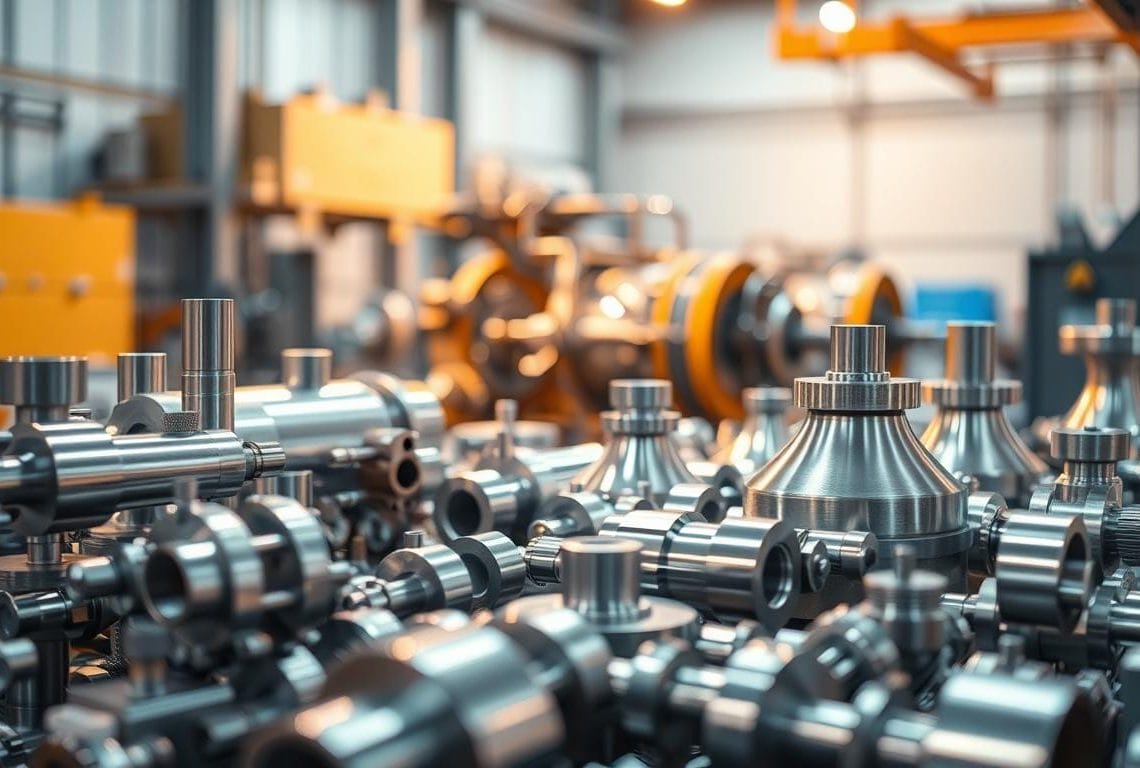
Chromium serves as the cornerstone of corrosion resistance. When exposed to oxygen, it forms a microscopic passive oxide layer that self-repairs if damaged. Three factors amplify this protection:
- Minimum 10.5% concentration for effective barrier creation
- Synergy with nitrogen for enhanced chemical stability
- Controlled heat treatment during production
The Roles of Nickel, Carbon, and Other Metals
Nickel boosts ductility in extreme temperatures, while carbon adjusts structural hardness. Molybdenum often joins the mix for superior acid resistance. Precise cutting techniques rely on understanding these components during fabrication.
Key alloying considerations include:
- Nickel percentages between 8-14% for optimal flexibility
- Carbon levels below 0.08% in weld-friendly grades
- Trace elements like titanium preventing intergranular corrosion
Adjusting these elements allows engineers to tailor alloys for specific challenges. High-chromium blends excel in marine environments, while nickel-rich formulas handle cryogenic storage. This customization makes the material indispensable across sectors from energy to medical technology.
Diverse Grades and Varieties in Stainless Steel Applications
Industries thrive on material diversity. Over 150 distinct grades exist, each engineered for precise performance demands. This variety stems from controlled elemental blends and specialized processing methods.
Four Primary Classifications
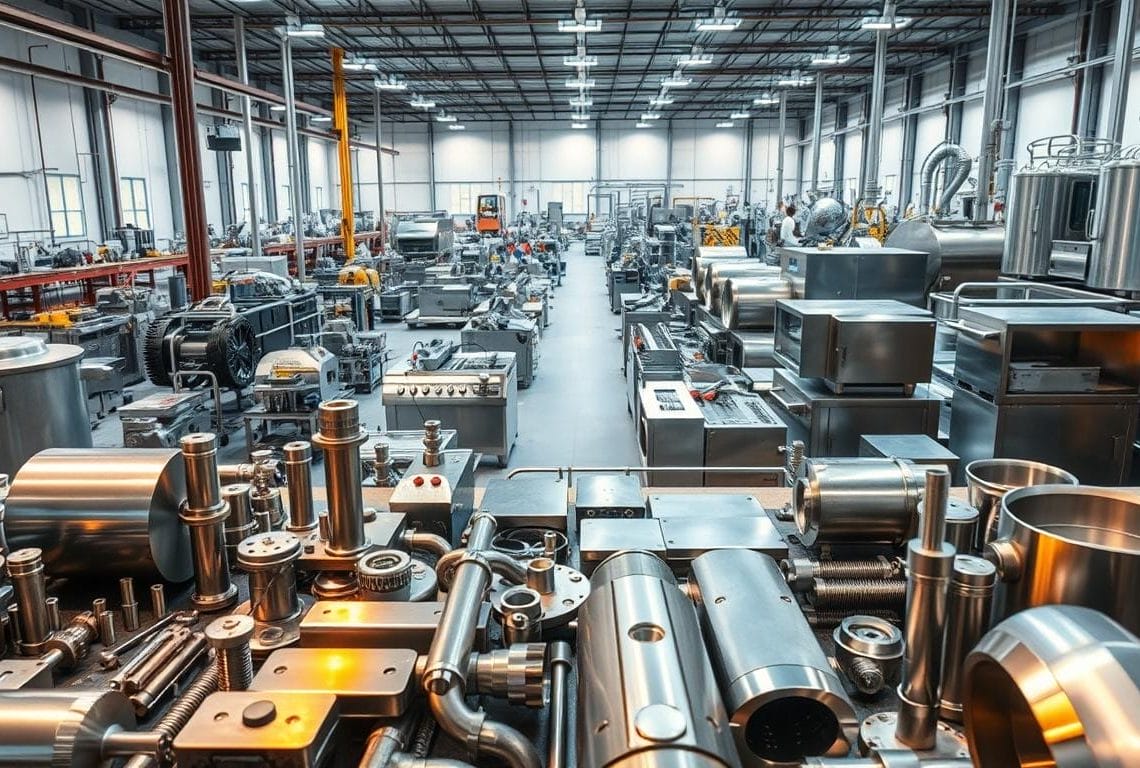
Engineers categorize alloys into four groups based on atomic structure:
- Austenitic: Non-magnetic, high chromium/nickel content for food processing equipment
- Ferritic: Magnetic with lower nickel, ideal for automotive exhaust systems
- Duplex: Combined strength for chemical storage tanks
- Martensitic: Extreme hardness in turbine blades
Strategic Material Selection
Surface finishes determine functionality. Brushed textures prevent fingerprints in elevators, while mirror polish aids sanitation in breweries. Three critical selection factors:
- Environmental exposure (saltwater vs. dry heat)
- Mechanical stress requirements
- Regulatory compliance for food/medical use
Construction firms choose grade 316 for coastal bridges due to molybdenum-enhanced corrosion resistance. Conversely, surgical tools demand martensitic types for sharp edge retention. Proper grade selection reduces replacement costs by up to 40% in transportation projects.
From subway station panels to commercial kitchen counters, this material’s adaptability drives innovation. Architects and engineers leverage its variety to solve modern design challenges sustainably.
Corrosion Resistance, Durability, and Environmental Benefits
Material longevity meets ecological responsibility in advanced metallurgy. Engineered alloys combine structural resilience with green innovation, thriving where other materials fail. This dual advantage stems from precise chemical design and sustainable production practices.
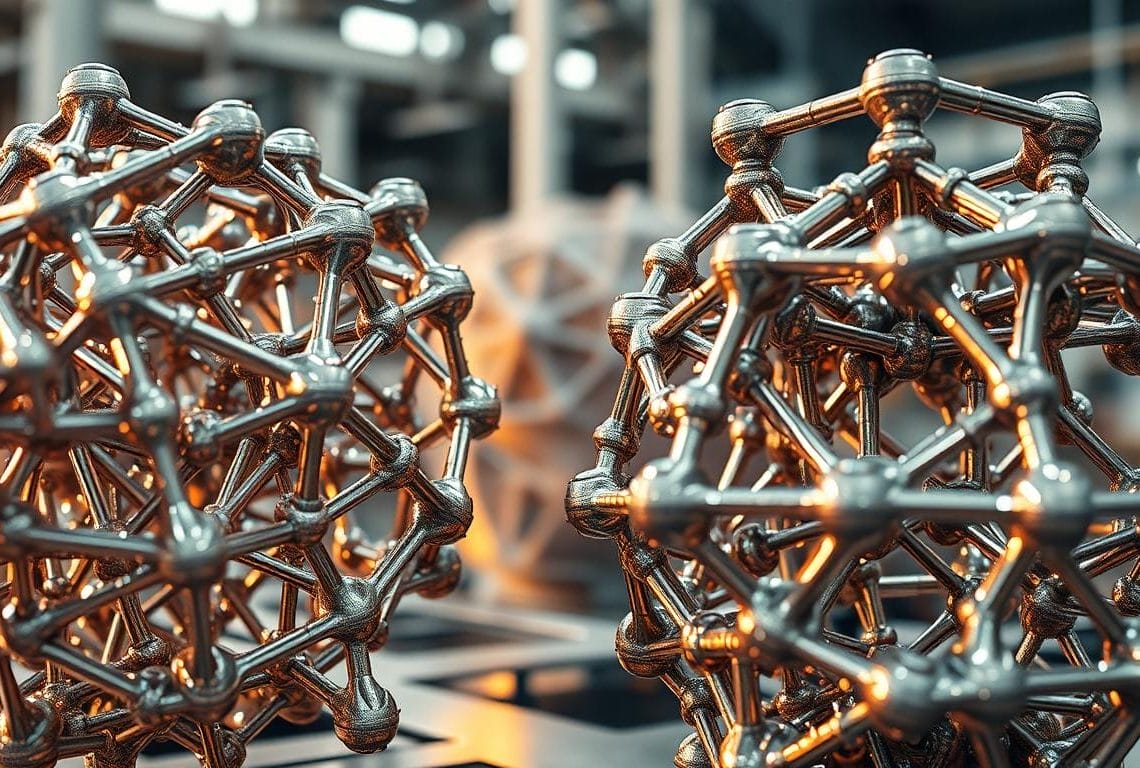
How Protective Barriers Defy Degradation
Chromium reacts with oxygen to form an invisible oxide layer, blocking rust-causing elements. Gases like argon prevent contamination during manufacturing, ensuring purity. Molybdenum amplifies this defense, particularly against chlorides in coastal zones or acidic settings.
Three factors sustain this shield:
- Continuous self-repair through oxidation
- Optimized chromium levels (16-26%)
- Heat treatment for uniform layer formation
Decades of Service, Centuries of Value
Properly maintained alloys last over 50 years in harsh conditions. 316L alloy sheets demonstrate this in marine infrastructure, resisting saltwater corrosion for generations. Ferritic grades excel in automotive exhausts, handling extreme heat without warping.
Eco-friendly benefits include:
- 95% recyclability rate across industries
- 70% energy savings versus new metal production
- Reduced mining through scrap reuse
These traits align with eco-friendly production methods, making ferritic stainless steels a strategic choice for sustainable projects. From chemical plants to urban architecture, these alloys deliver performance without compromising planetary health. Furthermore, their durability and resistance to corrosion ensure longevity and reduced maintenance, further enhancing their eco-conscious profile. A comprehensive stainless steel properties overview reveals how these materials not only meet industrial demands but also promote a greener future. As sustainability becomes increasingly prioritized in engineering, ferritic stainless steels are positioned as a pivotal solution in the quest for environmentally responsible construction materials. The versatility of ferritic stainless steels extends to various applications, ensuring that projects not only meet aesthetic and functional requirements but also adhere to environmental standards. In addition to their eco-friendly properties, understanding the different types and specifications through stainless steel ratings explained can help designers and engineers make informed decisions about material selection. This knowledge ultimately contributes to the longevity and sustainability of structures while promoting responsible resource use.
Final Insights on Stainless Steel’s Composition and Applications
Advanced metallurgy transforms raw elements into materials that shape modern infrastructure. By balancing alloying elements like chromium and nickel, engineers create corrosion-resistant structures that endure extreme conditions. These carefully designed alloys demonstrate how microscopic composition dictates macroscopic performance.
Manufacturing precision ensures each blend meets specific industrial demands. From 316 vs 316L variants to high-temperature grades, the right structure enhances durability while reducing lifecycle costs. This adaptability makes these materials vital in sectors ranging from renewable energy to medical technology.
Sustainable production methods further amplify their value. Recycled content and energy-efficient processes align with global environmental goals. Understanding alloying element ratios and crystalline arrangements allows accurate prediction of material behavior.
Through intelligent engineering, these alloys deliver unmatched versatility. Their structural integrity and role in building resilient, eco-conscious infrastructure cement their status as a cornerstone of modern material science.