Can one simple mounting choice turn a cluttered pantry into a durable, professional storage system? Homeowners often assume all metal racks perform the same. This guide challenges that belief by outlining clear options and practical steps for a reliable install.
Metro wire shelving pairs rugged construction with modular design: adjustable uprights that mount over studs, cleat hangers for flexibility, fixed brackets that self-secure, and floating units with integrated frames that lock without tools.
Readers will learn: how to choose the right selection of components, why corrosion resistance matters in kitchens and garages, common depths (18″–24″), and when to use uprights versus cleats for safe, future-proof expansion.
Before a single hole is drilled, this section helps plan load distribution, fastener types, and accurate measuring so the finished install looks and performs like a pro. For compatible product options, see the detailed listings at stainless steel shelf solutions.
Why Choose Stainless Steel Shelving for Home Storage
A corrosion-resistant metal system works harder: it holds heavy loads, cleans quickly, and lasts through humid kitchens or busy garages.
Practical advantages:
- Resists corrosion and staining — ideal for kitchens, laundry rooms, and basements.
- Compared to painted steel, surfaces are easier to sanitize for food or craft areas.
- When mounted to the wall correctly, units support appliances and bins without sagging.
- Wire designs promote airflow to cut dust and moisture around stored goods.
Homeowners gain flexible systems that adapt as needs change. In rooms with wide temperature swings, this material keeps integrity better than wood or MDF. The strength also allows deeper shelves for large bins while keeping a slim profile on the wall.
Long-term value: durability lowers total ownership cost and signals quality to buyers — a tidy, hygienic installation adds resale appeal.
Explore Our Stainless Steel Shelf Designs
Choose the right layout by matching load needs to each mounting style—adjustable, fixed, floating, or wire.
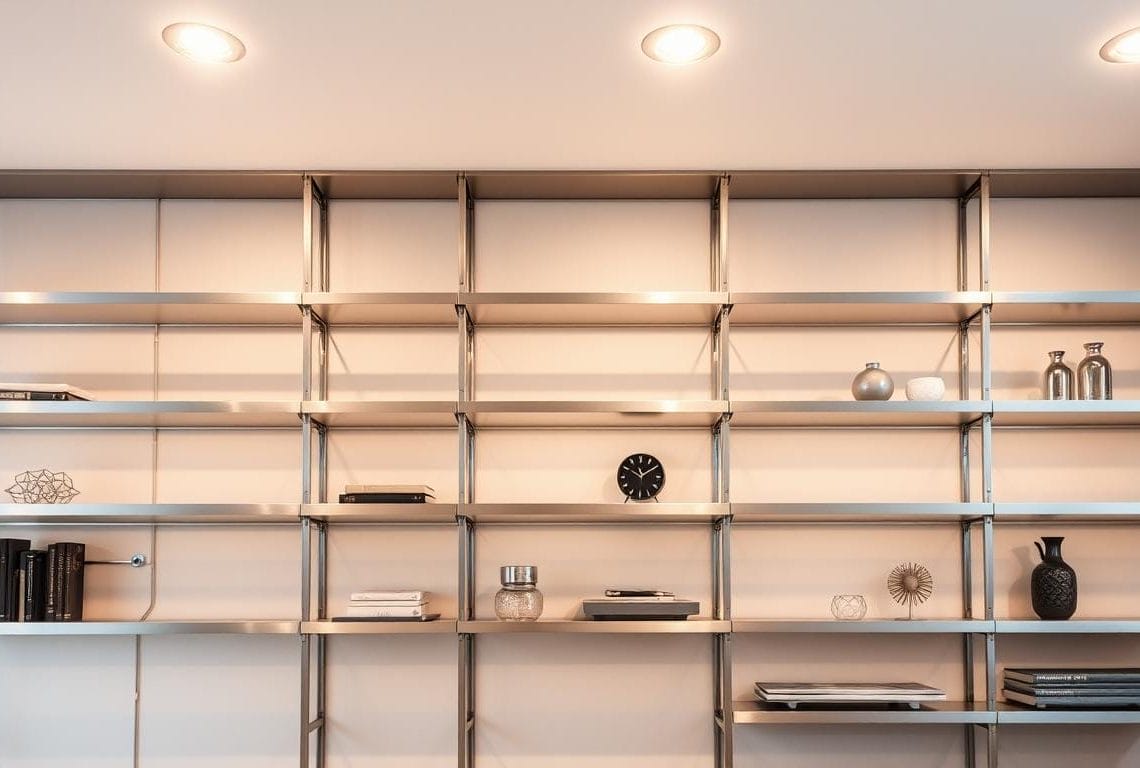
Adjustable shelving for flexible layouts: Install slotted uprights over studs for maximum capacity or use a cleat hanger to place uprights exactly where the plan demands. Components are industrial strength for extreme conditions.
Fixed wall shelves with self-securing brackets: Position brackets into studs, then drop the self-securing surface onto the arms. Fast, repeatable, and ideal where heights stay constant.
Floating shelves with integrated mounting frames: Attach the frame first, then slide the outer shell on until it locks—no tools at the final step and concealed hardware for a clean look. The result is minimal visual impact with strong capacity.
- Wire shelving: Choose stainless steel wire where airflow, drainage, and rust resistance matter—near sinks or laundry areas.
- Match type to wall structure and expected weight so the system performs safely over time.
- Consider visibility and adjustability: some designs hide hardware, others let you move shelves as needs change.
Stainless Steel Wire Shelving: Durability Meets Design
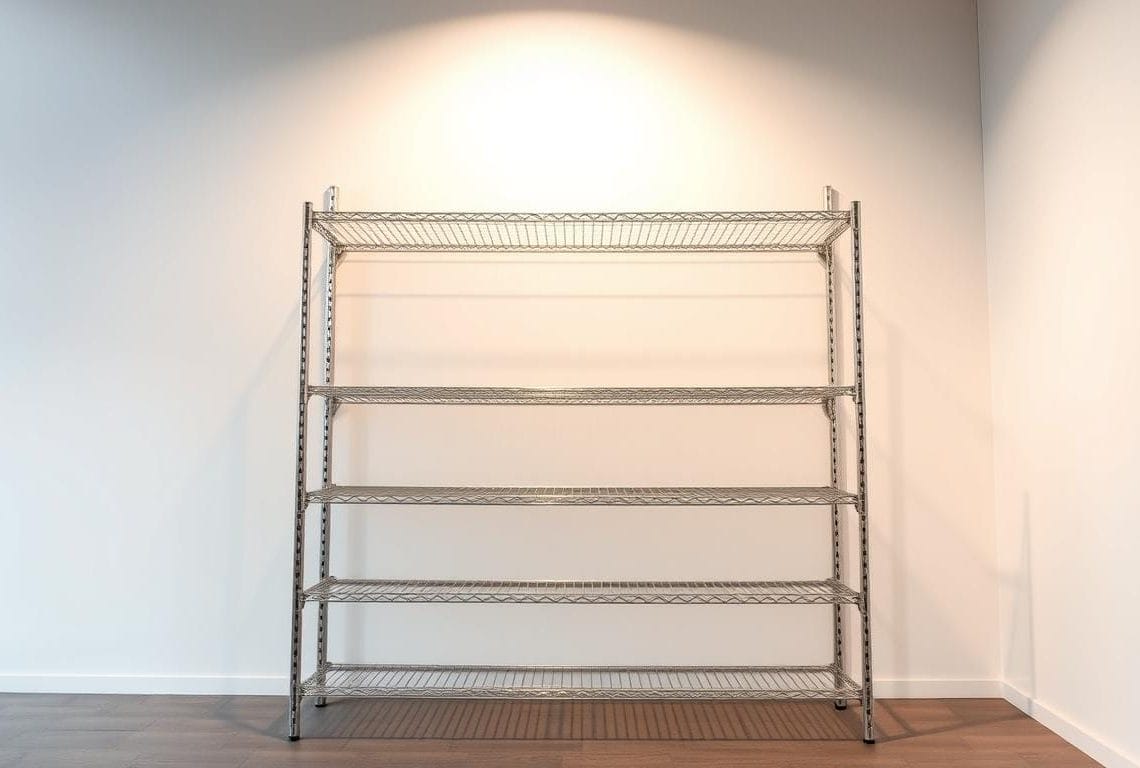
Wire systems combine rugged load capacity with open airflow to suit demanding household and lab use. They pair industrial strength with a hygienic, easy-to-clean surface for mixed-use rooms.
Handles heavy loads and rough conditions
Handles heavy loads and rough conditions
Industrial-grade construction resists bending under weight and stays rigid across the span. Wire edges and supports are engineered to take daily handling without deformation.
Ideal for labs, kitchens, and moisture-prone spaces
- Open-grid design improves airflow and visibility, keeping items dry in humid areas.
- Rust resistance is inherent to the material — critical near sinks, dishwashers, and laundry equipment.
- Depths commonly range from 18″ to 24″ to balance capacity with clearance in tight rooms.
- Add-on units let homeowners expand runs without reworking the core install.
- Compatible accessories—dividers, label holders, and hooks—turn a basic system into organized storage.
For professional-grade runs or modular options, see the stainless steel rack options that fit home and commercial needs.
Product Specs and Sizing for Shelves
Selecting the right depths and component ratings ensures the run meets daily use and future needs.
Common dimensions: 18″ to 24″ depth options
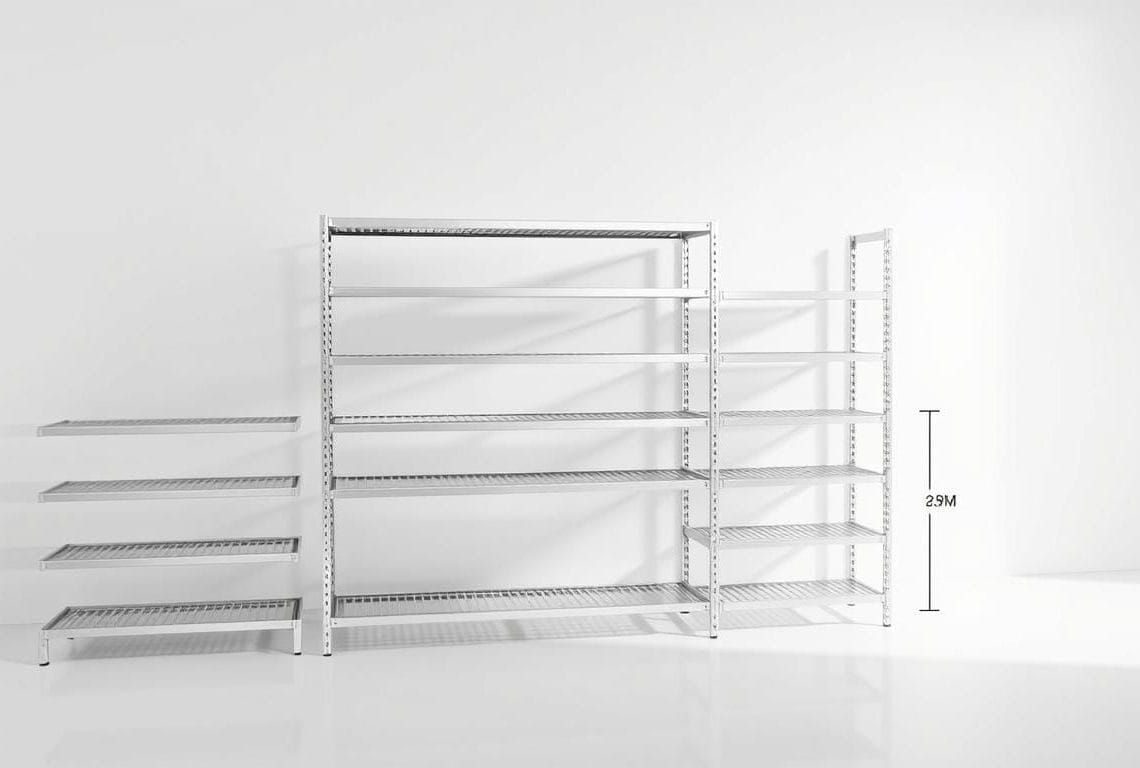
Metro wire units come in standard depths from 18″ to 24″. These widths fit most pantry aisles and utility rooms.
Measure first: check door swings, appliance clearance, and aisle space before choosing depth.
Materials, finishes, and weight capacity considerations
Choose finishes that match the room: brushed stainless steel for kitchens and utility-grade finishes for garages.
Load rules: heavier items need thicker-gauge steel components and closer bracket spacing. Verify bracket ratings and stud engagement.
- Floating systems: confirm frame width and anchor pattern for your wall substrate.
- Adjustable uprights: use proper fastener length for studs, not drywall alone.
- Add-on units: ensure compatibility—confirm product SKUs and shared load ratings.
- Long runs: add intermediate supports to limit deflection under load.
Tip: document capacities and component codes. That makes future expansion and matching parts simple when the project grows.
Mounting Options for Wall and Floating Applications
Choosing the right mounting approach determines how much weight the run will safely carry and how clean it looks on the wall.
Stud-mounted uprights for maximum strength
Best for heavy loads and long runs.
Align slotted rails over studs to maximize pull-out resistance and vertical capacity. Use a quality stud finder and confirm with a pilot hole so fasteners bite framing, not just drywall.
Cleat hangers for flexible positioning
Ideal when stud spacing limits placement.
Mount the cleat level, then hang uprights where you need them. Cleats spread the load across multiple fasteners and make future reconfiguration easier.
Integrated floating frames that lock without tools
For a clean, hardware-free appearance.
Fasten the frame first, check level, then slide the outer shell until it locks. When anchored over studs with correct anchors, floating frames hide supports while offering reliable capacity.
- For tile or masonry walls, use appropriate bits and anchors and seal penetrations in wet zones.
- Verify fastener type for wood studs, metal studs, or masonry and follow torque guidance.
- Follow manufacturer spacing recommendations and load-test gradually to spot any mid-span deflection before full use.
stainless steel shelf Installation Steps for Homeowners
Start every project with a clear map of clearances and load zones to avoid surprises during install.
Plan: measure, find studs, and mark clearances
Map the installation area: note door swings, appliance edges, and ventilation. Measure elevations with a level and mark lines at each intended height.
Locate studs and mark their centers. If studs don’t match the plan, choose a cleat hanger for flexible placement and improved load spread.
Mount: install uprights, brackets, or frames
For adjustable designs, fasten uprights directly over studs or to the cleat. For fixed units, anchor brackets into studs at equal heights so surfaces sit true.
Floating systems require the integrated frame first—check level across the full span and at multiple points before tightening fasteners.

Secure: place shelves, lock components, and level
Set the shelf surface into brackets or slide the self-securing panel over the arms. Engage locking tabs or set screws per the manufacturer so nothing shifts under load.
- Use the correct fasteners for wall type; predrill and drive screws to snug—don’t overtighten.
- Verify level front-to-back and left-to-right; shim only where allowed by the instructions.
- Perform a staged load test: add weight slowly and recheck for movement or flex.
Finish: clean surfaces and record the final load plan. For compatible mounting parts and plates, homeowners can reference a recommended mounting plate option at mounting plate.
Assembly Guides and What to Expect
Assembly guides give a clear roadmap from parts list to finished run, removing guesswork for DIY installers.
Metro stainless steel wire shelving comes with focused manuals that match each product style. Guides show step-by-step mounting for floating, fixed, and adjustable systems. In addition to shelving guides, the resources also include stainless steel sink installation tips to ensure a seamless integration of your kitchen or storage space. These tips cover essential aspects like proper alignment, water-tight seals, and supporting structures. With comprehensive instructions at your fingertips, you can achieve both functionality and style with ease.
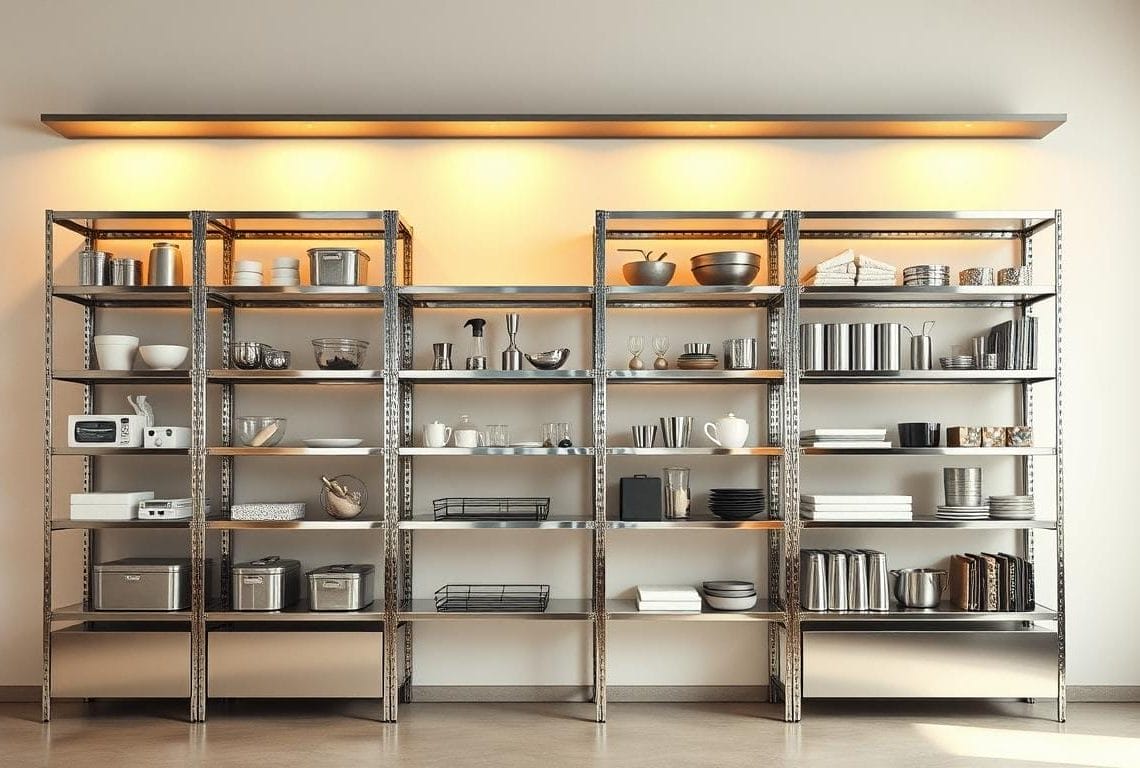
Expect a concise bill of materials: uprights or frames, brackets, shelf surfaces, and labeled hardware. The manual lists required tools: stud finder, level, drill/driver, bits, tape measure, and safety glasses.
- Floating units: frame placement, fastener patterns, and the no-tools locking step for the outer shell.
- Fixed systems: bracket alignment on studs and correct seating of self-securing surfaces.
- Adjustable rigs: spacing on slotted uprights or cleat hangers and safe height changes later.
Time estimates run from under an hour for a single floating shelf to an afternoon for multi-bay installs. Quality checks—torque fasteners, confirm plumb/level, and verify bracket spacing—are in every guide.
Keep the manual and component labels for warranty, future expansion, and parts replacement. Follow load and overhang limits before loading the shelves.
Selecting the Right Shelf for Each Room
A smart selection balances capacity, clearance, and cleaning access for every zone in the house.
Kitchen and pantry storage
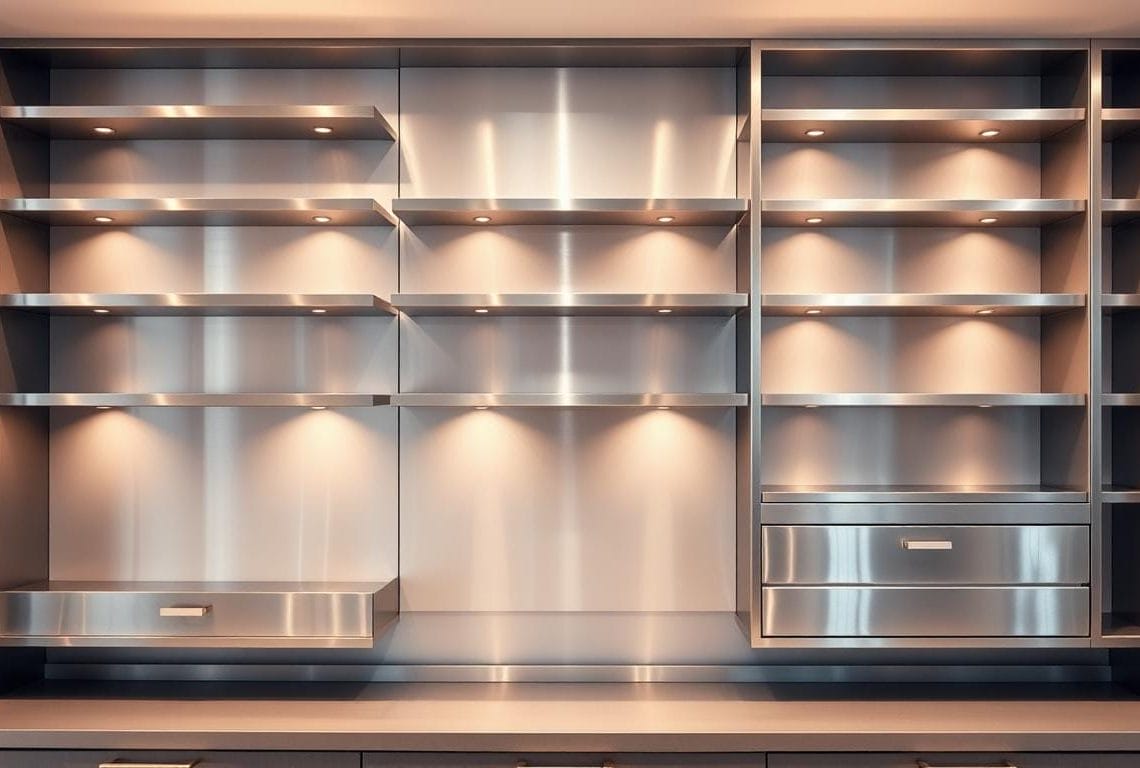
Choose wire units for moisture-prone kitchens: open-grid designs promote airflow around food containers and appliances. Depths of 18″–24″ fit common walkways and make items easy to reach.
Floating options mounted above backsplashes deliver a clean look and keep spices and dishes on the wall within easy reach. Seal fastener penetrations near sinks and clean regularly to protect finishes.
Laundry, garage, and utility spaces
Match materials to conditions: corrosion-resistant components resist humidity in laundry rooms and basements. Adjustable uprights let homeowners fit tall detergent bottles, baskets, and bins with minimal effort.
For garages, pick heavier-gauge parts and reduce bracket spacing for toolboxes and bulk storage. Test capacity slowly and add supports for long spans.
Home office and craft areas
Prioritize sightlines and function: floating or fixed units create a streamlined backdrop for a desk or studio. Pair with label holders and cable trays to keep electronics tidy and work surfaces clear.
Adjustable runs adapt as projects change—add bins or dividers to organize supplies. For buying help and comparison guidance, consult this short guide on choosing the right shelf.
Add-On Units and Modular Expansion
Modular add-ons let a single run grow as needs change, saving time and preserving installed hardware.
Metro systems are built to expand: add-on units extend current runs without replacing the core installation. This approach preserves anchor points and keeps finishes matching across the run.
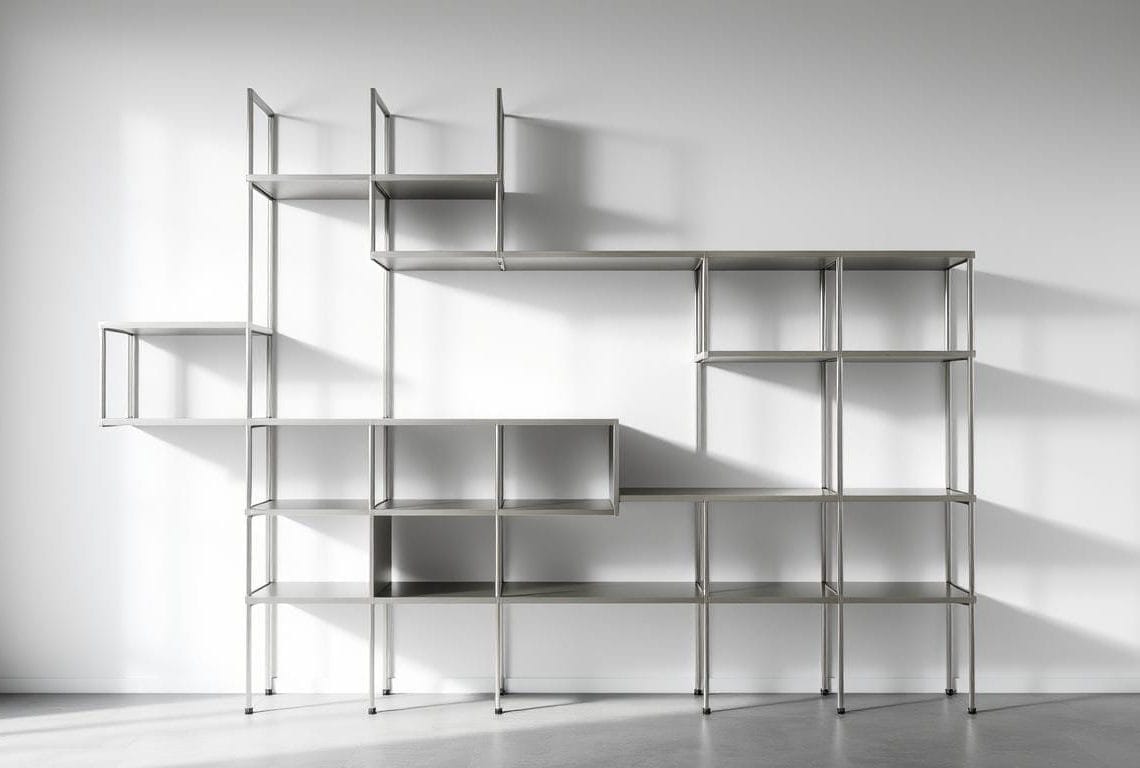
Combine adjustable uprights, fixed brackets, and floating pieces to meet precise layout needs. Mixing styles balances flexibility and display while keeping a unified design language.
- Expand a run without redoing the original anchors—save time and money.
- Use connector hardware and specified bracket spacing to keep load ratings consistent.
- Align depths and finishes so added modules look integrated with existing products.
- For long spans, add intermediate supports or split runs to avoid mid-span deflection.
Plan ahead: leave clearance for future bays and note part numbers during the initial install. After expansion, update load maps and keep spare fasteners and manuals for safe, quick updates.
Installation Best Practices for a Professional Finish
Small choices—where weight sits and how you clean—make the difference between a good install and a lasting one.
Load distribution and bracket spacing
Place heavy items over supports: set the greatest weight near stud-mounted brackets or uprights to reduce bending. Fixed units sit on studs; adjustable uprights mount over studs or to cleat hangers for flexible placement.
Follow manufacturer bracket spacing for the given depth and expected load. Closer spacing raises capacity and cuts deflection. For long runs, add intermediate supports and test loads slowly.
Corrosion resistance and cleaning tips
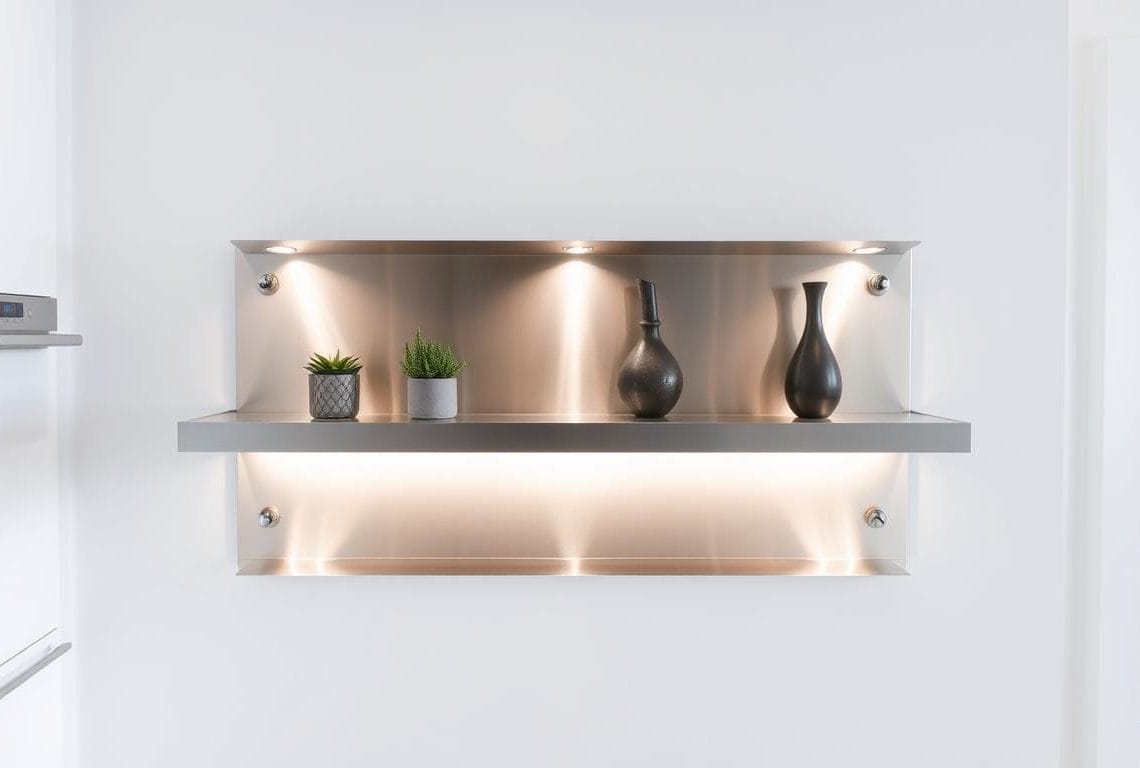
Protect finishes: wipe surfaces with a soft cloth and mild detergent. Avoid chlorides and abrasive pads that can mar the finish.
Rinse and dry after cleaning in kitchens and laundry areas to preserve corrosion resistance. Inspect annually—retorque fasteners, verify level, and watch for moisture intrusion.
- Confirm floating frames are fully seated and locked before loading.
- Use proper anchors for masonry and recheck torque after initial loading.
- Add end caps or edge guards on wire runs for safer handling and tidy organization.
- Keep an updated load map noting max weight per bay and per shelf.
Compliance, Safety, and Maintenance
Safety and code compliance start with correct anchors and documented load limits for every run. Verify manufacturer load ratings and follow installation instructions so components perform as intended.
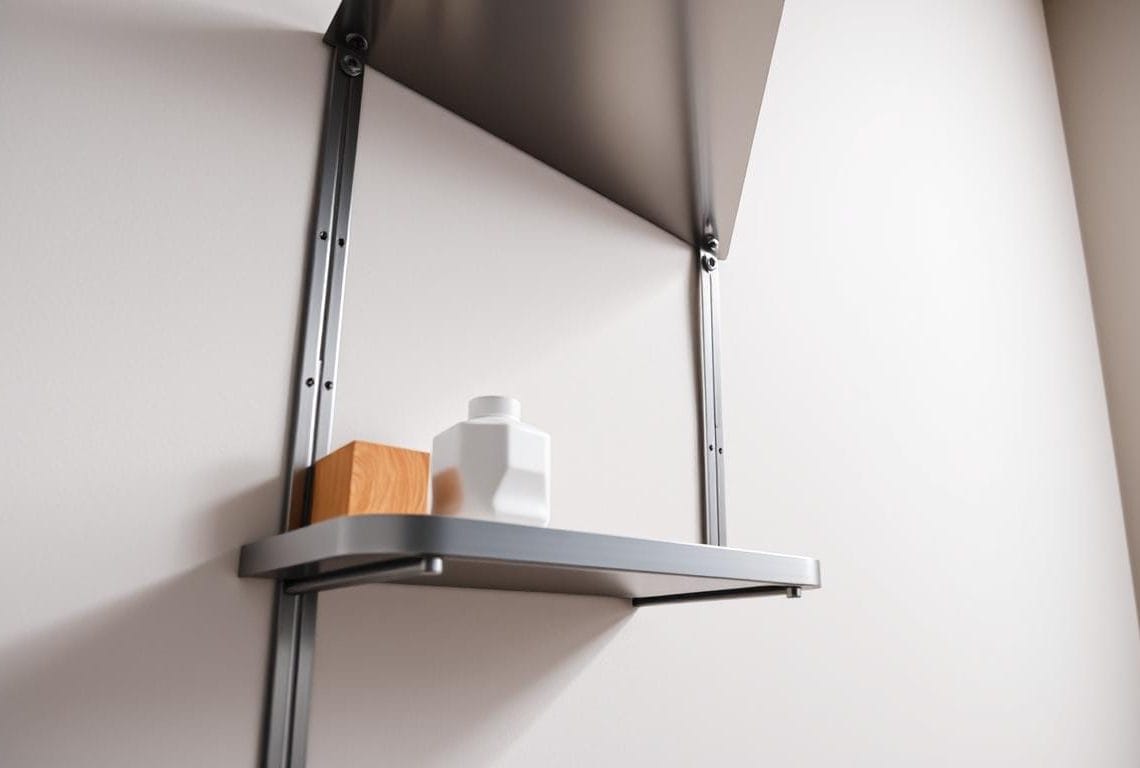
Use the right fasteners for the substrate: wood stud, metal stud, or masonry anchors must match the wall type and the expected load. If the wall material or load is uncertain, consult a qualified installer before fastening.
Keep users safe:
- Follow published load limits—never exceed rated capacity for any component.
- Choose cleaners compatible with stainless finishes; avoid chlorine-based products that can pit surfaces.
- Confirm edges are deburred and welds are smooth to prevent snags or cuts.
- Maintain minimum aisle clearances and place heavy items low; anchor freestanding units to the wall when possible.
Schedule periodic inspections: tighten fasteners, check for corrosion or wear, and replace damaged parts promptly. Keep installation records and product manuals—these documents support warranty claims and safe future modifications.
How to Buy: From Selection to Checkout
Planning the purchase makes installation smoother and avoids costly delays. Start by matching room needs to the format: adjustable, fixed, floating, or wire. Compare depths (18″–24″) and note add-on options for future expansion.
Comparing products and availability
Compare by depth, finish, and compatibility. Confirm the product includes required hardware and an assembly guide. For multi-bay runs, standardize depths and finishes to simplify installation and get a cohesive wall appearance.
What to know about lead times and in-stock items
Check stock status before checkout. In-house lines often ship faster; special-order components can add lead time. Save cart details and part numbers so reorders match existing runs.
- Validate load ratings and bracket spacing for your layout.
- Consider accessory bundles—dividers, hooks, and label holders—for quicker organization.
- If mixing brands, verify cross-compatibility of uprights and brackets.
- Plan delivery to match wall prep—patching, painting, or tile work—before mounting.
Ready to Mount Your Stainless Steel Shelves Today
Ready to mount?, With clear measurements and compatible components, mounting goes faster and stays safer.
Choose your design—adjustable uprights, fixed brackets, floating frames, or wire runs—and confirm stud locations and desired elevations. Floating units lock to integrated frames without tools. Fixed units lay self‑securing over stud‑mounted brackets. Adjustable uprights mount over studs or to cleat hangers for flexible placement.
Pick the right products: uprights or frames, brackets, shelf surfaces, and compatible fasteners for your wall type. Use 18″–24″ depths to balance capacity with room flow. Select systems that accept add‑on units for future expansion.
Quick start: mount, lock, level, and load‑test before full use. Document bracket spacing and load plans, keep the assembly guide handy, and consult an expert installer for substrate or load questions. When ready, standardize finishes and proceed to checkout to streamline installation day.