Can a few simple steps really keep a metal basin looking brand new? This question cuts to the heart of daily upkeep for any kitchen focal point.
Experts say yes: routine rinsing and drying, gentle scrubbing with dish soap and warm water, and a baking soda paste for grime protect the surface and prevent stains. Empty the basin, remove food debris, and rinse grit away to avoid scratches before you scrub.
Follow the grain when cleaning and skip harsh chemicals such as chlorine bleach or ammonia to protect colored finishes. For extra care, use a sink bottom grid and a microfiber cloth to buff for shine after drying.
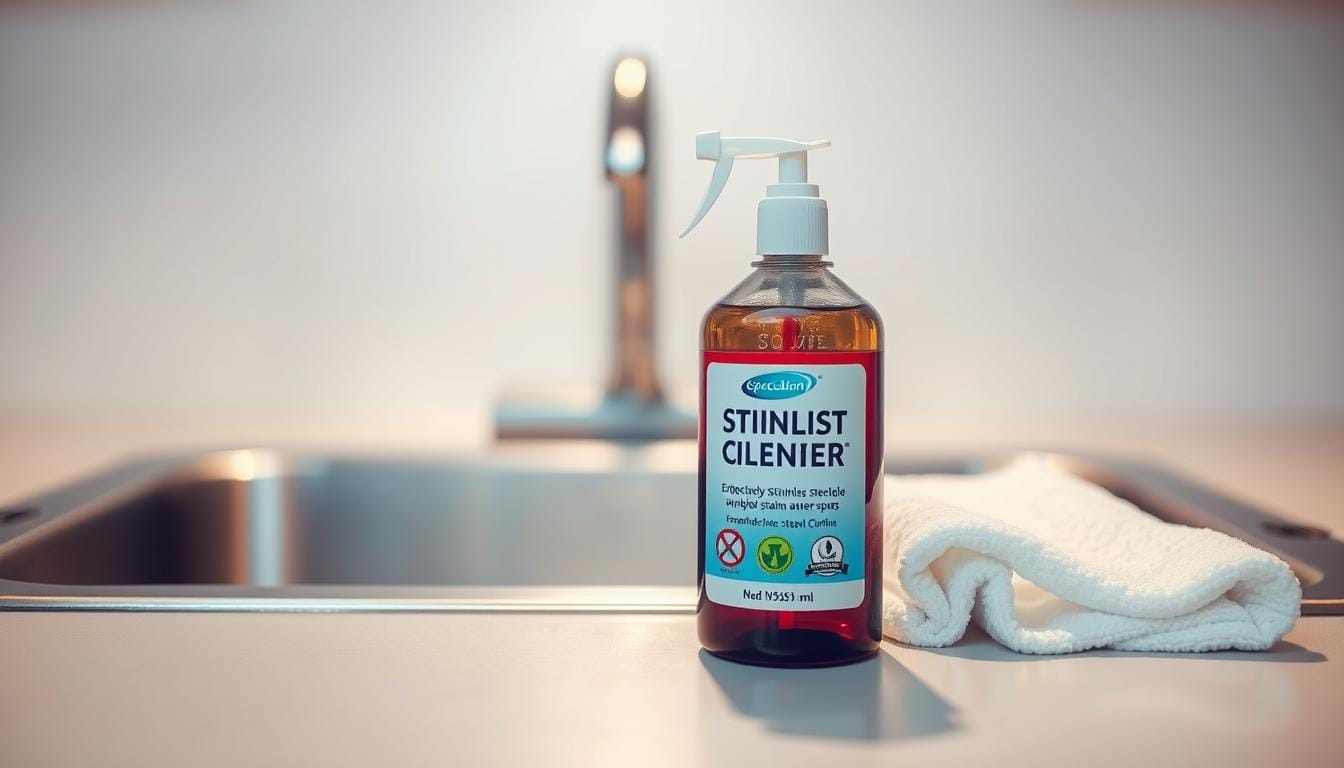
Pro picks—Hope’s Perfect Stainless Steel Cleaner and Polish and Bar Keepers Friend—work for periodic deep care. This guide will show safe supplies, step-by-step methods, and quick wins to keep the metal basin gleaming without damage.
What to expect from this how-to and how it keeps your sink spotless today
Expect a 10-minute workflow: empty the basin, remove food bits, apply a gentle cleaner, let it dwell, scrub with a soft pad, rinse with warm water, dry, then buff for a high-gloss result.
Why this works: removing grit first prevents micro-scratches and reduces bacteria spread during cleaning. Working with the grain preserves the finish and makes future upkeep easier.
Routine keeps results simple: rinse and dry after each use, do a weekly gentle clean, and polish monthly. The basic trio—baking soda, dish soap, warm water—cleans deposits fast and safely.
- Tools: soft pad or cloth, mild cleaner, warm water.
- Timing: most tasks take only minutes; dwell time speeds stain release.
- Scale: the same direction-aware steps suit quiet kitchens and busy ones alike.
For deeper guidance and product picks see a focused guide on a stainless steel sink cleaner. Keep a small kit nearby and the process becomes a quick habit that protects the finish and saves effort.
The right cleaners, tools, and what to avoid for cleaning stainless steel
Choose gentle, everyday items first — they remove most grime without risking damage. Start with a simple trio: warm water, dish soap, and baking soda paste for most tasks.
Safe ingredients you already have
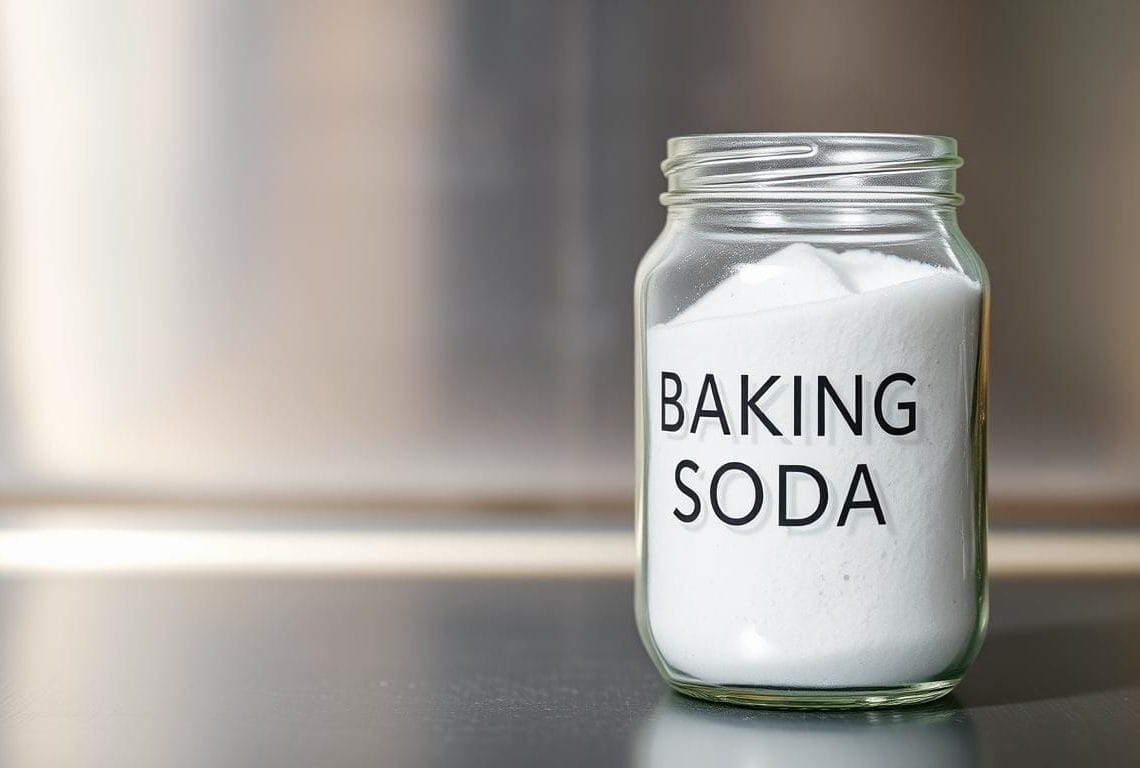
- Baking soda: mild abrasion for stuck-on spots. Use a paste for targeted scrubbing.
- Dish soap and warm water: degrease and rinse quickly.
- Microfiber cloth and a non-scratch pad: capture residue and reduce streaks.
Natural boosts for shine and deodorizing
- White vinegar (1:1 with water): soak for limescale and mineral deposits.
- Lemon juice with coarse salt: brightens and freshens the basin.
- A drop of olive oil: rub lightly for a quick polish on the metal surface.
What not to use
- Avoid bleach, steel wool, and harsh abrasives — they can etch or scratch a stainless steel sink.
- Reserve specialty products like Hope’s Perfect Stainless Steel Cleaner and Polish or Bar Keepers Friend for targeted stains.
- Always allow brief dwell time and work with the grain to protect the finish.
stainless steel sink cleaner step-by-step: a simple method that works
A focused, seven-step routine cuts through everyday buildup without special tools. Follow each quick task in order and allow brief dwell time when needed for tougher spots.
Prep the surface
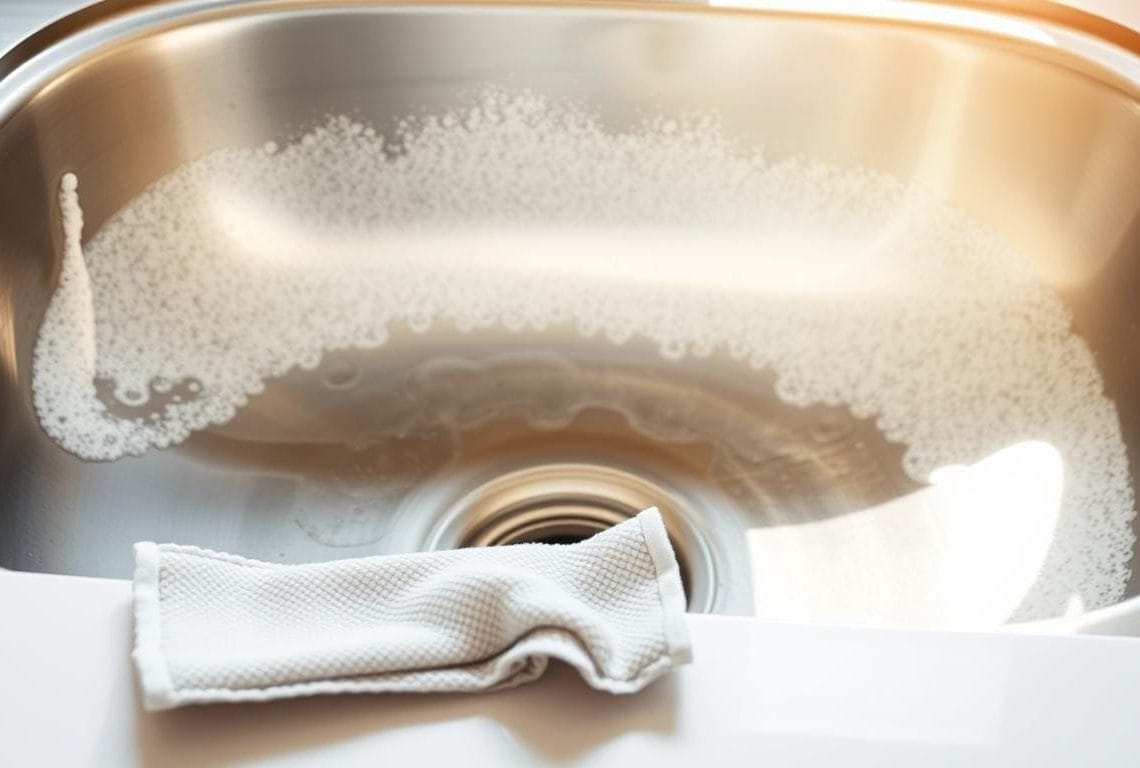
Step 1—Empty the basin and remove food debris. A quick rinse removes grit that could scratch during the scrub.
Make a gentle paste
Step 2—Dust the surface with baking soda, add a light drizzle of dish soap, then mix with a small amount of water to form a soft paste.
Scrub with the grain
Step 3—Use fingertips or a soft cloth to scrub following the direction of the grain. Work corners, seams, and around the drain flange for complete results.
- Rinse thoroughly: Use warm water so no soda or soap residue remains—this helps control hard water spotting.
- Optional fizz: For stubborn marks, add a touch of vinegar to trigger a gentle reaction, then re-rinse.
- Dry and buff: Wipe dry with a microfiber cloth; finish with a small drop of oil or a quick glass cleaner pass for a streak-free shine.
Timing: the full sequence takes only minutes and works best when done weekly. For tools, consider a quality cleaning cloth to speed drying and buffing. Avoid steel wool and harsh abrasives to prevent micro-scratches.
Tackle hard water, mineral deposits, and tough stains without scratching
A few focused steps—soak, target, rinse—cut through limescale while preserving the metal finish.
White vinegar soaks: spray or pour white vinegar onto mineral deposits and let sit 15–30 minutes. For thick scale, place vinegar-soaked paper towels over the area to keep it saturated. After dwell time, wipe gently with a non-abrasive pad following the grain, then rinse and dry.
Controlled paste and fizz reaction
Make a baking soda paste and spread it on stubborn spots. Spray a light mist of vinegar to trigger a mild fizz reaction that lifts deposits without abrasive force.
Rinse thoroughly, dry, and repeat if needed. This paste + vinegar step is effective on hard water stains and small scale areas.
Lemon and salt quick scrub
Cut a lemon, apply coarse salt to the cut side, and scrub lightly to remove odor and brighten the surface. Rinse well and dry immediately—limit acid contact to avoid finish damage.
- Target hard water marks with white vinegar soaks for minutes, then wipe along the grain.
- Use the paste + reaction for stubborn deposits; rinse and dry right away.
- Inspect seams, drains, and dripping taps to prevent repeat buildup.
For a deeper how-to on persistent spots, see this hard water stains guide.
Keep the showroom shine going for the long haul
A short daily routine locks in gloss and saves time later: rinse after each use, wipe dry with a microfiber cloth, and do a weekly gentle cleaning. These small steps cut hard water spots and curb grime before it sets.
Follow the grain when you wipe. Work in the same direction to reduce micro-scratches and keep an even surface reflectivity. Monthly, add a light polish—either a stainless-specific product or a dab of olive oil—to restore shine and cut fingerprints.
Spot-check high-use areas in the kitchen. Use a moderated vinegar wipe for mineral build-up and rinse promptly. Avoid bleach and wool; choose soft cloths and mild soap to limit bacteria and preserve the finish.
Two-step reset: rinse and dry. Repeat this habit to keep the stainless steel sink showroom-ready all year.