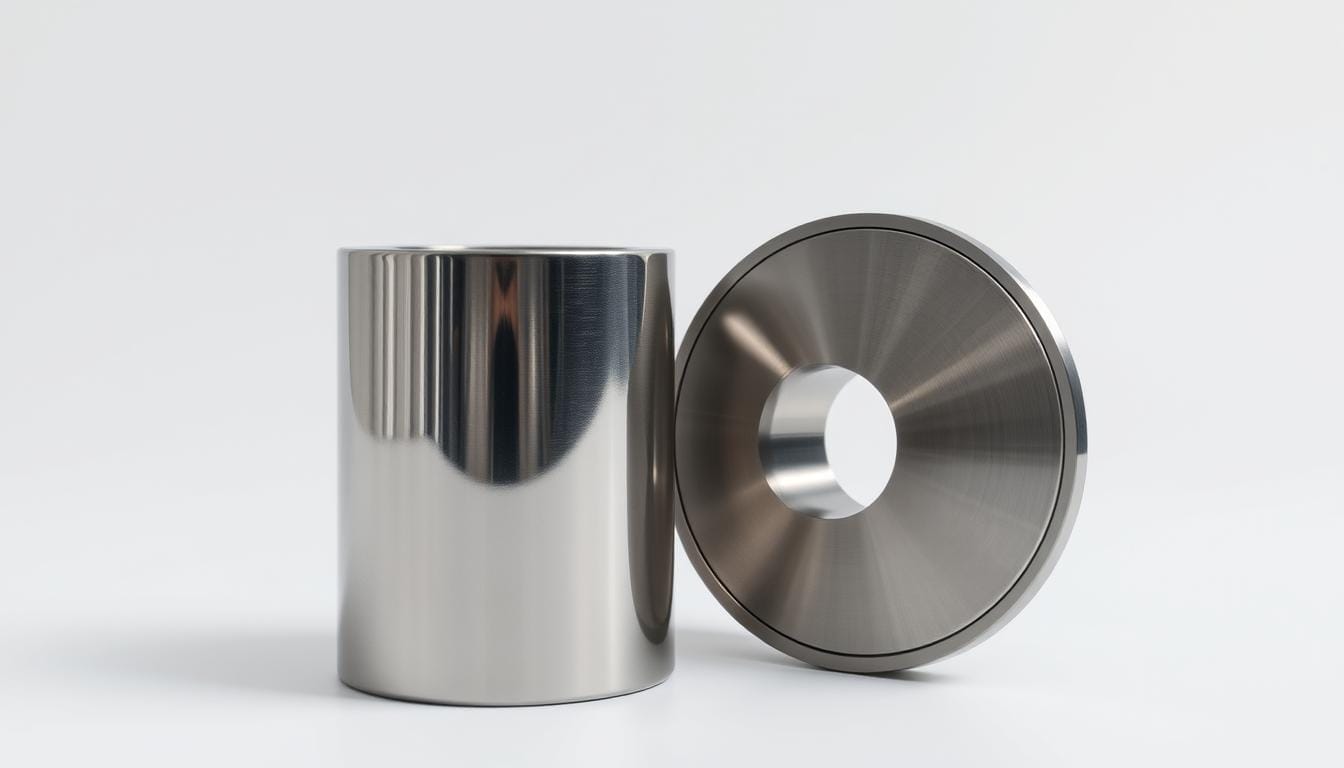
Which material will save time, weight, and money for your next project?
The guide opens with a clear promise: compare the two leading metals across the metrics that matter—strength, corrosion performance, heat tolerance, weight, and real-world applications. Readers will learn how service conditions drive the right choice and avoid costly mistakes.
This short introduction sets expectations: one is an engineered alloy family widely used for fixtures and food prep; the other is an element prized for its strength-to-weight and long-term corrosion resistance. The text explains trade-offs in plain language so homeowners and metal workers can act with confidence.
Next: the article breaks down properties, fabrication realities, and total cost of ownership to help match material to project needs.
Why compare these metals now: use, environments, and project goals
Deciding which metal fits a job starts with the project’s environment and performance priorities. Define the application first: is the part indoors, near the coast, exposed to chemicals, or subject to frequent temperature swings? That answer narrows the field quickly.
Rank performance needs: weight, temperature range, corrosion resistance, and shop-friendly fabrication. Weight-sensitive aviation parts often favor lighter alloys for structural gains. Household fixtures prioritize cleanability and cost—making a different choice more practical.
Consider biocompatibility: implants and surgical tools usually require an inert surface, while carts and non-implant gear can use more economical options. For chloride-rich settings—de-icing salts or seawater—choose higher-alloy grades or the more corrosion-resistant metal.
- List environments, temperature limits, weight constraints, and budget.
- Score each material against project priorities.
- Expect mixed-material designs for complex systems.
Tip: Factor fabrication and supply: welding and machining skills, lead times, and available sizes often tip the final decision for U.S.-based projects.
What are they made of? Definitions, composition, and density
Composition and density define how a metal behaves in service — start here.
Iron-based alloys: composition and families
The common iron-based alloy is stabilized by chromium (usually ≥10.5%) to form a protective oxide layer. Austenitic grades like 304 and 316 add nickel and molybdenum for better corrosion resistance and formability.
Other families—ferritic, martensitic, duplex, and precipitation-hardening—use different chromium and carbon levels to tune hardness, magnetic response, and corrosion performance.
Elemental metal and high-strength grades
Titanium appears as commercially pure Grades 1–4 for excellent corrosion resistance and ductility. The alloy Ti‑6Al‑4V (Grade 5) increases strength sharply — often used where high strength is mandatory.
Density, ratio, and design impact

Typical density: iron alloys ~7.8–8.0 g/cm3; titanium ~4.51 g/cm3 — about 40–45% lighter. That lower density yields a superior strength-to-weight ratio when geometry is driven by strength.
- Practical tip: choose the lighter metal when weight, rotating balance, or transport cost dominate.
- Both materials have lower thermal conductivity than aluminum, so machining heat control matters.
- Process and extraction routes affect cost and availability — a factor in final selection.
For related material comparisons and applications, see the guide to stainless vs aluminum.
Core properties head-to-head: strength, corrosion, heat, and durability
When performance matters, direct property comparisons reveal which metal best meets the job. This section highlights measurable trade-offs: strength, corrosion behavior, operating temperatures, and wear resistance.
Strength and strength-to-weight
Strength: High-performance alloys reach very high ultimate tensile values. For example, Ti‑6Al‑4V (Grade 5) approaches ~150 ksi while weighing about 40–45% less than comparable carbon and alloy grades.
Stiffness: Modulus differs: steel sits near 200 GPa; titanium runs ~116 GPa. Expect more deflection for lighter parts unless geometry is adjusted.
Corrosion resistance in harsh environments
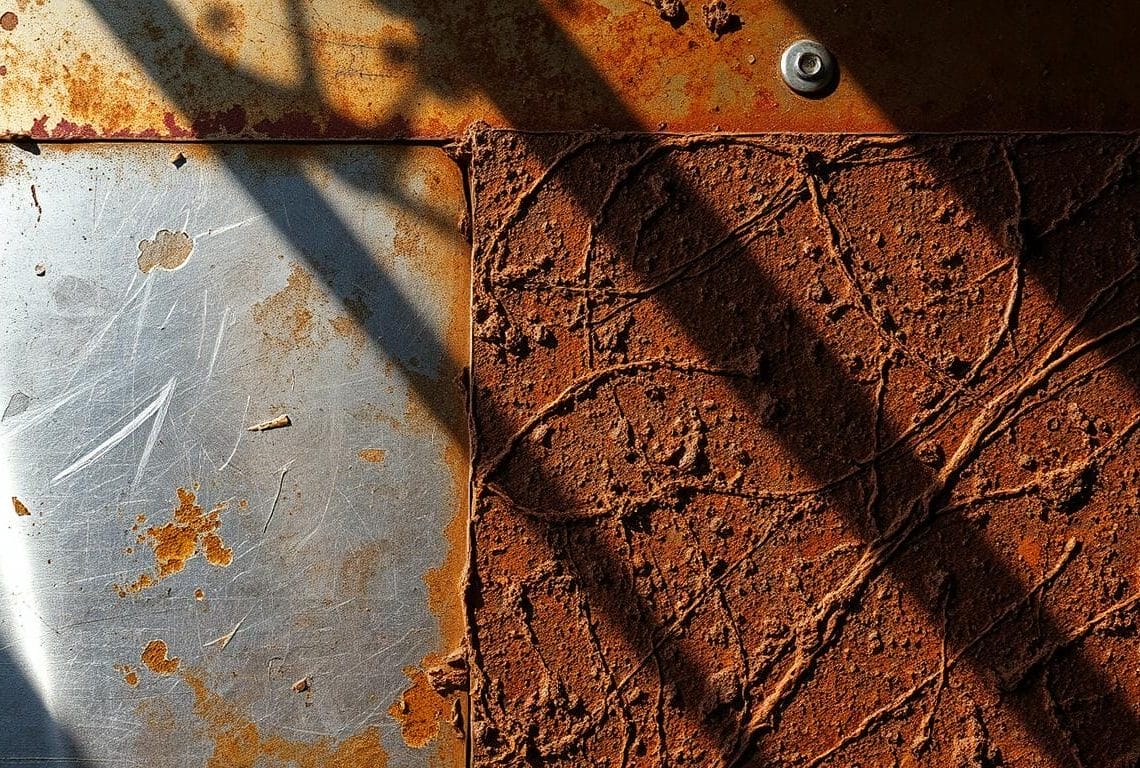
Corrosion resistance: The lighter metal forms a stable oxide and resists chlorides and many chemicals at ambient temperatures. Austenitic grades and duplex variants require higher alloy content to avoid pitting in chloride-rich environments.
Heat, hardness, and surface durability
Specialty austenitic alloys serve continuous high-temperature oxidizing service—some grades work above 1600°F and beyond. The lighter metal has a higher melting point but faces oxidation limits in hot air.
Wear and impact: Many higher-hardness metal grades resist scratches and blows better; the lighter element can gall and show wear sooner in abrasive contacts.
- Processing: Both materials have low thermal conductivity and can gall when machined; cleanliness and shielding in welding matter more for the lighter metal.
- Service note: Choose the alloy that matches corrosion, heat, and weight priorities for the intended environments.
Grades and families that matter: from 304/316 to CP and Grade 5
Choosing the right grade means matching composition to the job, not assuming all alloys behave the same.
The 300-series austenitic family dominates production: about 70% of output, with 304 holding roughly half the market. 304 is the cost-efficient workhorse; 316 adds molybdenum for improved corrosion resistance in chloride-prone settings like kitchens and marine fixtures.
Other families fill distinct roles:
- Ferritic: 409 and 430 — magnetic and cost-effective where moderate protection is acceptable.
- Martensitic: higher carbon grades (e.g., 410) — hardenable for blades and wear tools.
- Duplex: blends of ferrite and austenite — higher strength and better chloride cracking resistance.
- PH (precipitation hardening): engineered for high strength with retained corrosion performance.
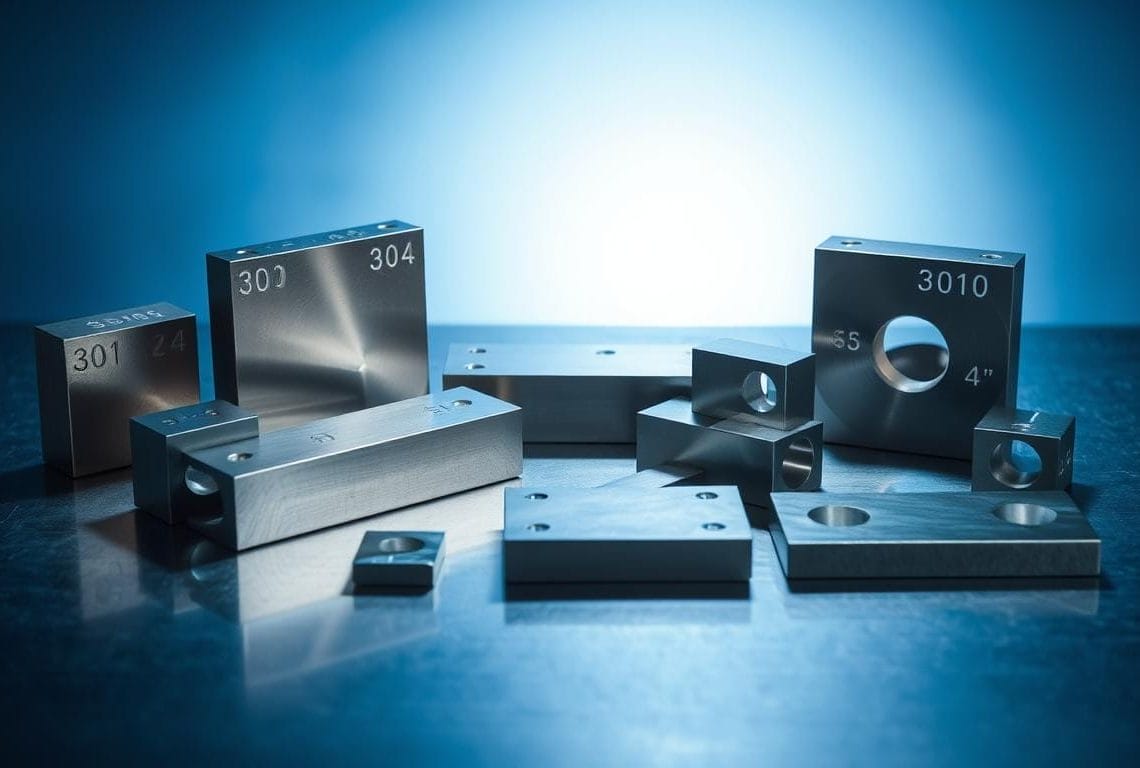
On the lighter-element side, CP Grades 1–4 trade ductility and weldability against increasing strength. Ti‑6Al‑4V (Grade 5) supplies the highest demand and reaches about 150 ksi UTS — the go-to for aerospace and high-performance parts.
Conductivity matters: overall, the iron-based alloys typically show better thermal and electrical conductivity than the lighter metal. Both, however, remain far behind copper and aluminum — an important factor for heat exchangers and welding heat flow.
Selection tip: match a specific grade to the service environment and required strength. For plate size and grade options, see the plate grades guide.
Processing realities: machining, welding, and surface behavior
How a material is cut, welded, and finished often decides field reliability more than raw strength numbers.
Machining considerations
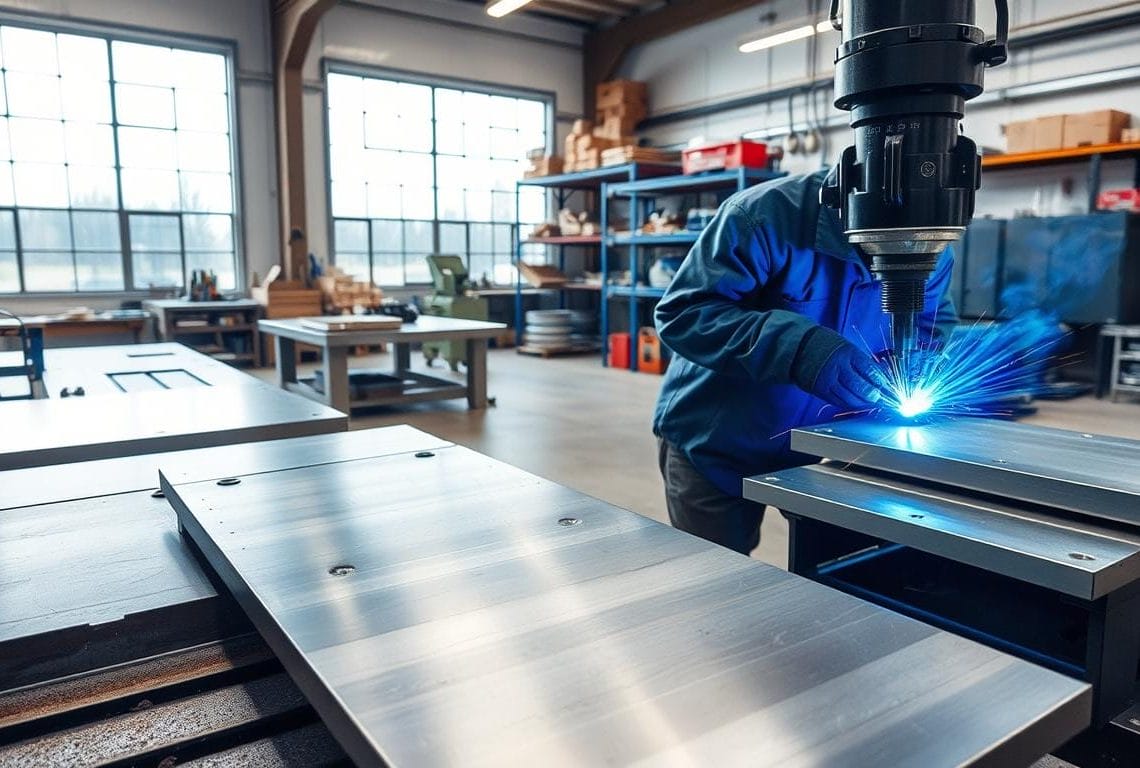
Control heat: low conductivity concentrates heat at the tool. Reduce cutting speeds, raise feed where appropriate, and use high-pressure coolant for titanium to avoid work hardening and tool failure.
Manage galling and chips: use sharp, wear-resistant inserts. For the alloy commonly used in easier machining, Grade 303 improves chip breaking; apply lubricant to cut adhesive wear on the surface.
Fixture and toolpath: secure setups reduce chatter—especially for the lighter element, which flexes more. Favor constant engagement and small stepovers; avoid dwell that causes work hardening.
Weldability and HAZ
Prepare for clean welding: the iron-based family accepts TIG/MIG with fillers like ER308L or ER309. Passivate post-weld to restore the protective surface and resist corrosion.
Strict protection for the lighter metal: weld with argon, immaculate cleaning, and trailing shields. Any discoloration—straw to blue—signals oxidation and lost properties in the HAZ.
- Choose matching fillers for alloy compatibility.
- Plan equipment: argon supply, purge dams, and clean enclosures for sensitive welds.
- Finish: deburr, polish, or electropolish to improve corrosion resistance and remove embedded contaminants.
Applications and industries: matching properties to use-cases
Choosing the right metal often starts with the end use—what the part must do under real service conditions. This section maps common applications to the properties that matter most.
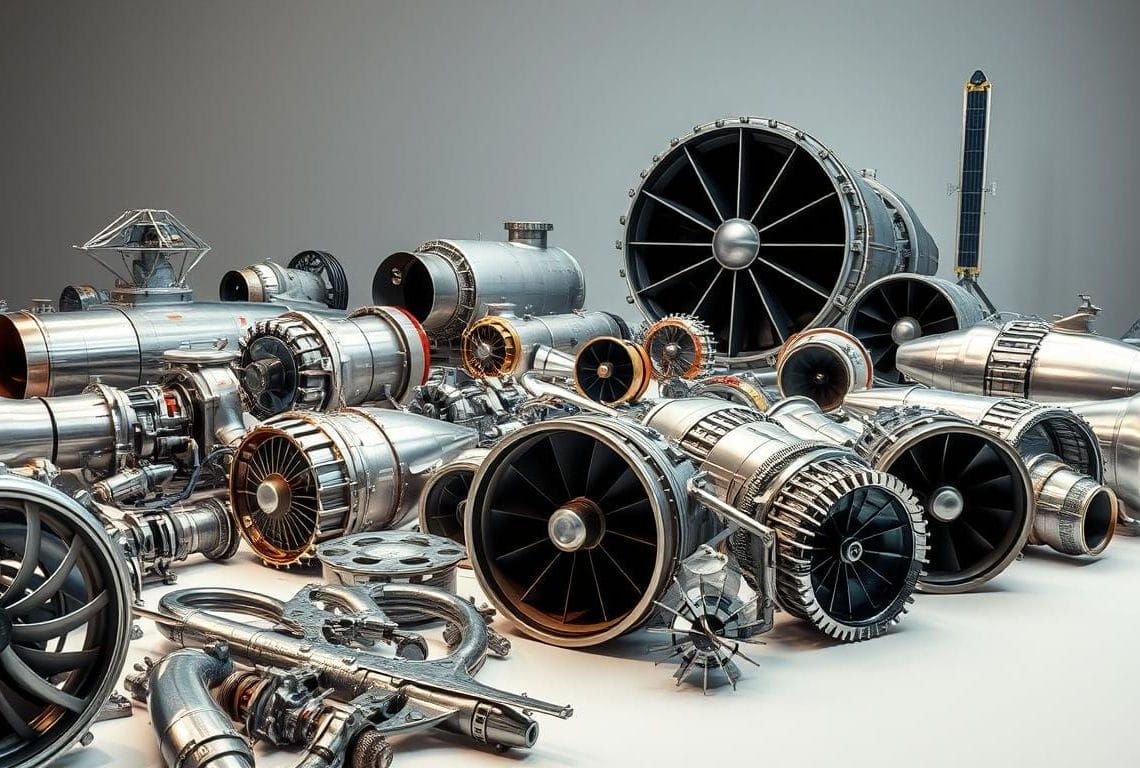
Aerospace and industrial equipment
Aerospace favors low mass and high fatigue life. The lighter element offers exceptional strength-to-weight and performs well in hot sections and fasteners.
Ground support, interiors, and heavy-duty parts often use high-performance iron-based alloys for wear resistance and cost control.
Medical and biocompatibility
Medical implants require proven biocompatibility and long-term osseointegration—making the lighter element a common choice for implants since the 1980s.
Instruments, carts, and sterilizable surfaces benefit from the cleanability and lower cost of iron-based materials.
Kitchen, marine, and everyday products
For the kitchen and marine hardware, 304 and 316 grades dominate due to durability and resistance to household corrosion.
Where weight savings or ultra-corrosion resistance matter—camping cookware or highly aggressive seawater zones—the lighter element or duplex alloys may be justified.
- Aerospace: lighter metal for structures; iron-based alloys for wear parts.
- Industrial: choose alloys by chemical exposure—heat exchangers may need the lighter element in chloride service.
- Medical: implants: lighter element; instruments: iron-based for cost and cleanability.
- Marine & home: 316 for routine service; upgrade materials in extreme environments.
Practical tip: prioritize the expected environments and maintenance plan when specifying an alloy—the right match delivers long-term durability and lower total cost.
Cost, availability, and processing time: total cost of choice
Upfront price is only the first line item—processing and lead time shape the final bill.
Raw material cost varies widely: common grades like stainless steel sit near $1–$1.50/kg, while titanium can reach $35–$50/kg depending on grade.

Material cost and alloy range
Economies of scale make stainless steel and related alloys broadly affordable and widely stocked. That reduces ordering risk and shortens delivery time.
Processing complexity and shop throughput
Titanium adds time and equipment demands: specialized fixturing, strict welding shielding, and slower cutting speeds raise labor and tool costs.
- Expect a titanium part to cost multiple times a comparable steel piece when factoring machining and setup.
- Supply chain: common grades are easy to source; high-performance materials need longer lead times.
- Consider total cost of ownership: in severe chloride or high-temperature service, higher upfront cost can be offset by longer life and lower replacement needs.
- Match materials to budget, schedule, and required strength.
- Plan equipment readiness and contingencies for extended process time.
- Make the final choice on durability and delivery risk, not just raw price.
stainless steel versus titanium: which fits your performance brief?
Begin with the service limits: define exposure, weight targets, and required life for the part. Clear limits make the choice fast and defensible.
Environment and corrosion profile: chloride, chemicals, and moisture
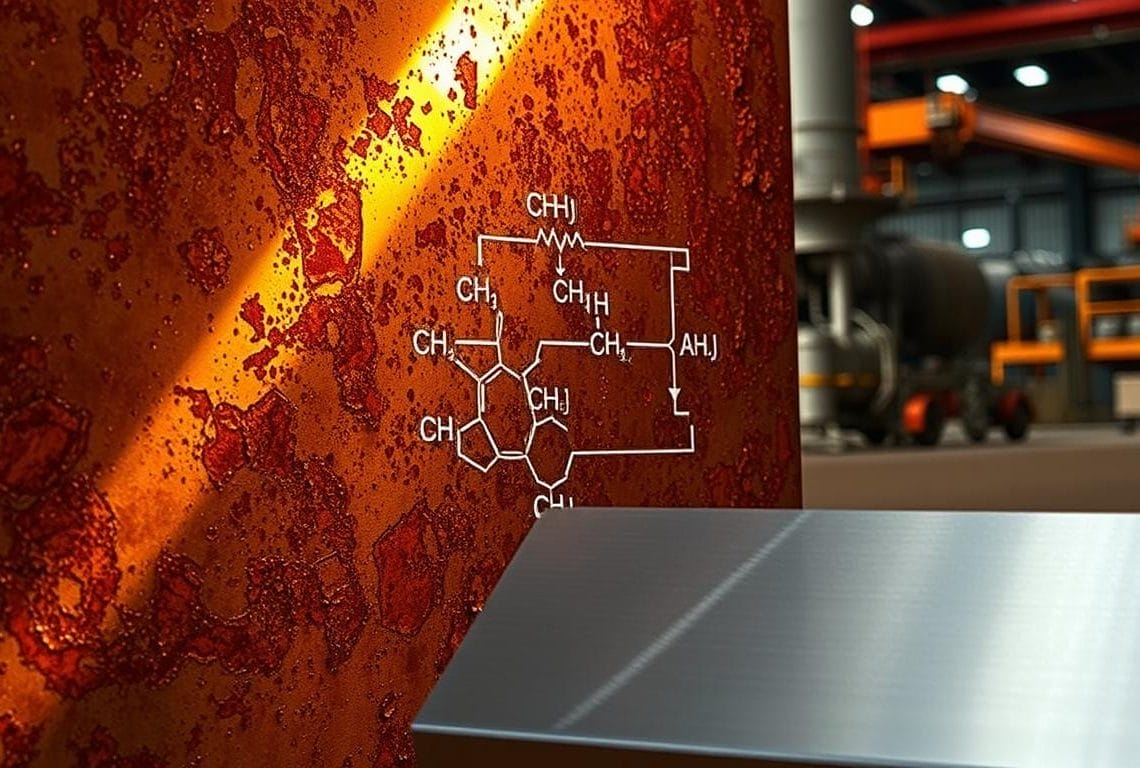
For salt spray, brine, or aggressive chemistries, titanium often wins on corrosion resistance. Upgrading to 316 or duplex grades improves performance but can still pit in severe chloride service.
Performance per pound: weight-sensitive designs and strength demands
When density and weight ratio matter—drones, aircraft, or racing parts—the lighter metal gives major mass savings at similar strength. Expect ~40–45% mass reduction when switching from a common alloy to the lighter option.
Budget, timelines, and fabrication: choosing the right alloy for the application
For fast fabrication and lower upfront cost, choose an economical grade: it machines and welds in standard shops. If life-cycle durability or weight-critical performance dominates, accept higher material and processing costs for the superior alloy.
- Rule of thumb: corrosion-critical & weight-critical — favor the lighter option.
- Cost- or schedule-critical — favor the more common alloy.
- Document environment, weight, and schedule before finalizing the choice.
Your next steps: selecting the right metal for your project today
Identify the single toughest condition your part will face—temperature, chloride exposure, load, or cleaning cycles. Start there and everything else narrows quickly.
Follow the checklist: define environments and temperatures, rank weight, corrosion, budget, and lead time, then match properties to candidate grades (304/316 or CP/Grade 5 / Ti‑6Al‑4V).
Plan processing: confirm welding and machining capabilities now—Ti requires strict shielding and extra time; 304/316 is widely available and often cuts schedule risk. Verify surface finish and conductivity impacts during prototyping.
Decide with confidence: use the property and process checklist, lock suppliers, and run a short prototype. For a detailed comparison resource, see this comparison guide.