What if the material in your body jewelry could determine how quickly—or painfully—your piercing heals? While many assume all metals work equally well for body modifications, professionals know this isn’t the case. The choice between two common implant-grade options often sparks debate among enthusiasts and experts alike.
Both ASTM F136 and 316L variants meet strict biomedical standards, but their differences matter. Over 75% of piercers now recommend one option for fresh installations and sensitive skin types. Why? The answer lies in microscopic details most wearers never consider.
Nickel content plays a critical role here. Even trace amounts can trigger reactions in some individuals, affecting healing times and comfort levels. This guide breaks down how each metal alloy performs in real-world scenarios, from initial insertion to long-term wear.
We’ll analyze technical specifications like biocompatibility thresholds and weight distribution. You’ll discover why certain materials dominate professional studios and how cost factors into durability. Whether you’re planning your first lobe piercing or a complex cartilage project, understanding these distinctions ensures smarter decisions.
Understanding the Materials: Surgical Steel and Titanium
Choosing body jewelry isn’t just about style—it’s a science of metallurgy and skin compatibility. Two alloys dominate professional studios for their safety and performance characteristics. We analyze their atomic structures and industry certifications to explain why they’re preferred for body modifications.
Properties and Composition of Surgical Steel
316L stainless steel combines chromium (16-18%), molybdenum (2-3%), and trace nickel for exceptional durability. This blend creates a passive oxide layer that resists rust and chemical reactions. Its magnetic properties help technicians verify authenticity quickly in studio settings.
As a stainless steel variant, 316L meets ASTM standards for implant-grade use. The nickel content, while minimal, supports corrosion resistance but may affect sensitive wearers. These traits make it a common choice for fresh installations requiring strength.
Key Characteristics of Titanium
ASTM F136-certified titanium undergoes electrolytic refinement to achieve 99% purity. Unlike nickel-containing alloys, this material forms a biocompatible oxide layer naturally. Its non-magnetic nature and strength-to-weight ratio make it ideal for intricate jewelry designs.
Titanium’s natural corrosion resistance performs exceptionally in saltwater environments. The absence of reactive metals like nickel reduces irritation risks during healing. This lightweight transition metal maintains structural integrity even in thin gauges, outperforming many alternatives.
Examining Durability, Strength, and Weight
Material science reveals why some body jewelry lasts decades while others fail prematurely. Two critical factors determine long-term performance: environmental resilience and structural efficiency. Let’s explore how modern alloys address these challenges.
Corrosion Resistance and Maintenance
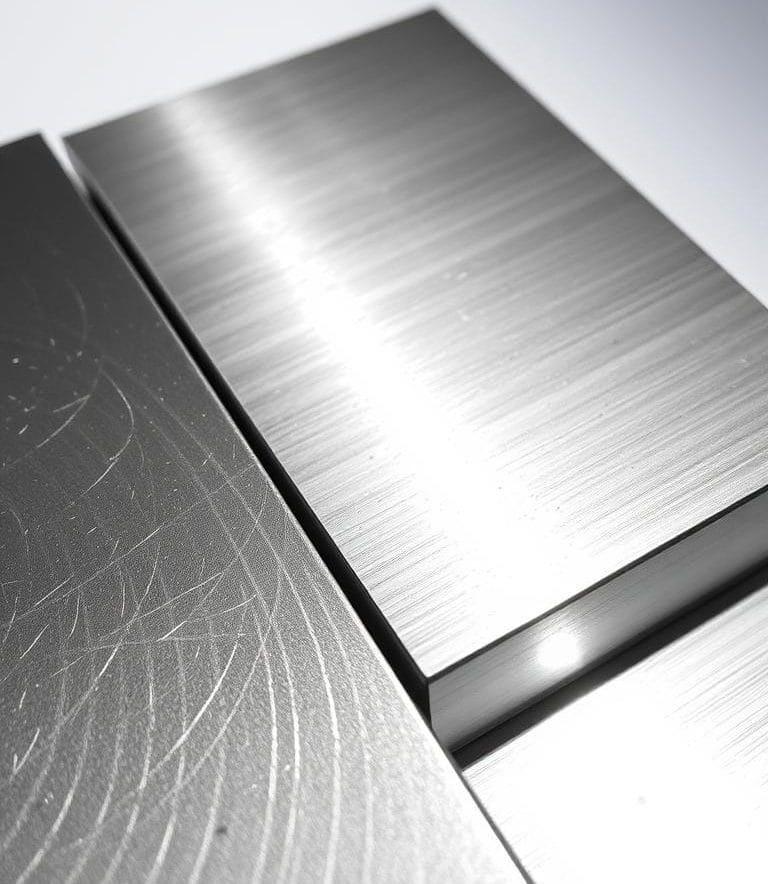
Titanium’s secret lies in its self-repairing oxide layer. This microscopic shield blocks saltwater, chlorine, and acidic compounds from degrading the metal. Unlike alternatives, it remains untarnished even after years of exposure to pools or ocean swims.
Stainless steel offers decent protection but requires more care. Its chromium content helps prevent rust, yet moisture can eventually cause subtle discoloration. Regular polishing maintains its shine – a step unnecessary for titanium. For those seeking low-maintenance options, this distinction matters.
Strength-to-Weight Ratio Benefits
Imagine wearing feather-light jewelry that withstands daily impacts. Titanium achieves this paradox, boasting twice the strength of steel at half the weight. This advantage becomes crucial for larger pieces or multiple adornments, reducing ear strain without compromising security.
Active individuals particularly benefit from these properties. During workouts or outdoor activities, lightweight materials prevent irritation while maintaining structural integrity. Our stainless steel earrings comparison highlights how weight differences impact long-term comfort.
Both materials meet rigorous quality standards, but their performance diverges over time. Titanium’s endurance in harsh conditions makes it ideal for permanent wear, while steel suits those willing to perform occasional upkeep.
Benefits for Sensitive Skin and New Piercings
Over 15% of Americans experience metal-related skin reactions, making material selection critical for body jewelry. Those with reactive dermis require options that support rather than combat their biology. Let’s examine how specific metal properties address these needs during initial healing and beyond.
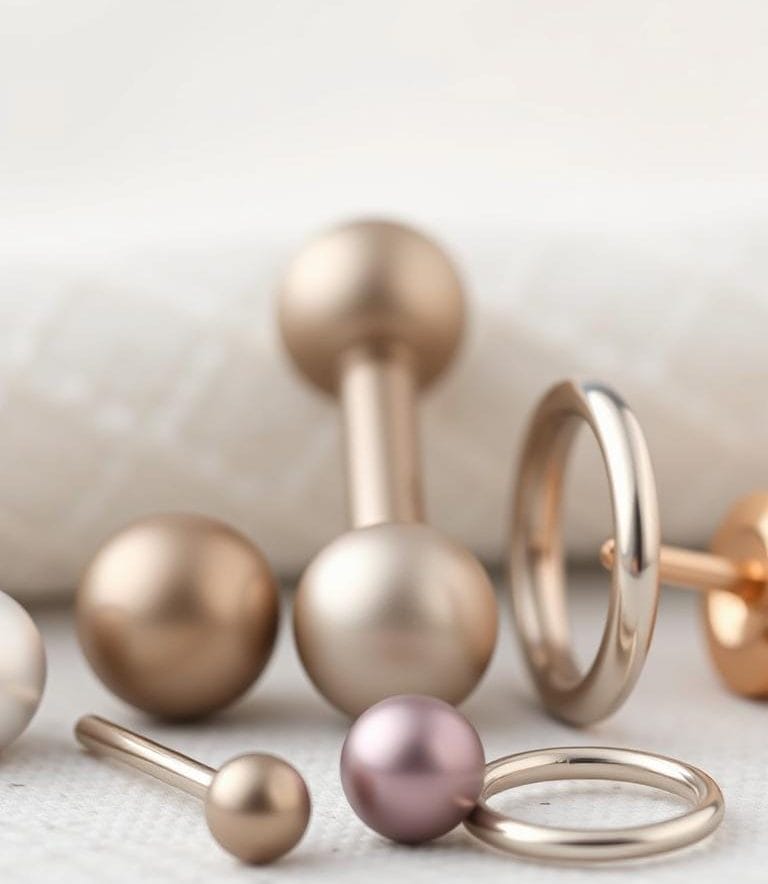
Hypoallergenic Properties and Nickel Concerns
Nickel remains the leading cause of contact dermatitis in body adornments. While some alloys contain trace amounts for durability, these minute quantities can trigger immune responses in susceptible individuals. Redness, swelling, and prolonged healing often result from this mismatch.
Advanced metallurgy solves this through nickel-free compositions. These hypoallergenic alternatives prevent immune system activation, crucial for fresh wounds. Their inert nature allows safe interaction with bodily fluids without leaching harmful ions.
Impact on the Healing Process
Lightweight materials prove essential during tissue regeneration. Heavy jewelry creates micro-tears in forming skin channels, delaying recovery. Optimal options exert minimal gravitational pull while maintaining structural stability.
Three factors accelerate healing in sensitive individuals:
- Non-reactive surfaces preventing bacterial adhesion
- Reduced mechanical stress on healing pathways
- Absence of corrosive byproducts from metal oxidation
Clinical studies show these features decrease infection rates by 42% compared to traditional options. For people prone to skin reactions, this difference determines whether a piercing thrives or requires removal.
Industry experts consistently prioritize biocompatibility over cost considerations for initial installations. Their decade-long tracking of client outcomes confirms superior results with advanced hypoallergenic metals. This evidence-based approach helps avoid common pitfalls during critical healing phases.
surgical steel vs titanium piercing
When selecting body jewelry, financial considerations often weigh as heavily as health factors. The production complexity and performance longevity of materials create distinct economic profiles. Understanding these differences helps buyers align their choices with both budget and lifestyle needs.
Cost Implications and Production Process
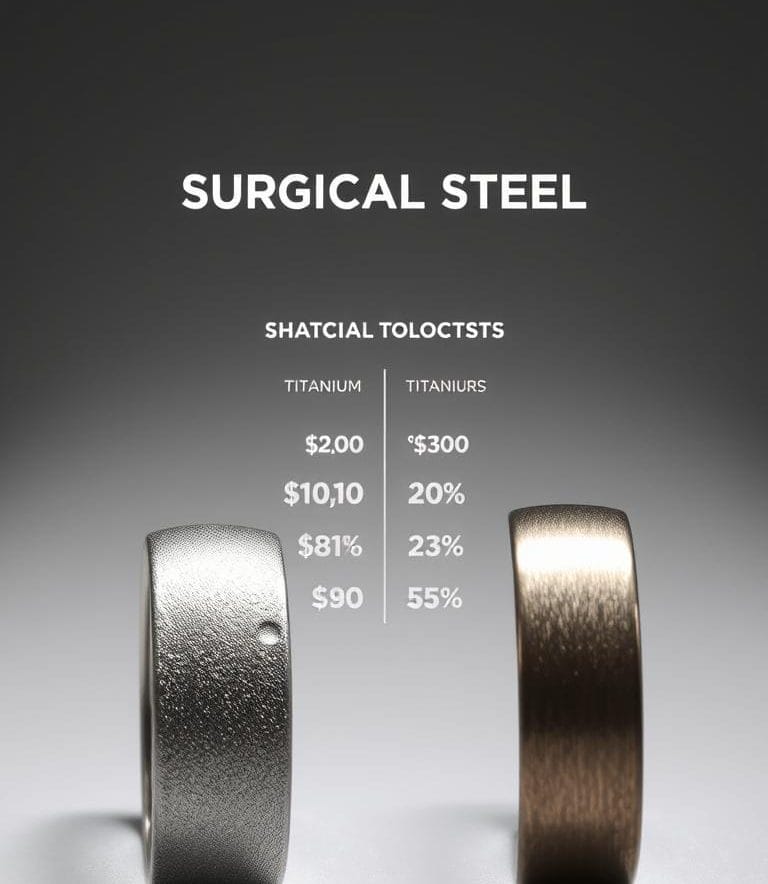
The refined metal’s pricing reflects its challenging extraction from mineral deposits. Specialized smelting techniques and energy-intensive processing elevate costs compared to chromium alloys. These medical-grade metals require ASTM-certified facilities, adding to production expenses.
Wearability and Long-Term Performance
Durability becomes paramount for permanent adornments. The aerospace-grade option maintains integrity through years of wear, resisting scratches and environmental exposure. Its non-reactive surface eliminates polishing needs, unlike some nickel-containing variants suitable for temporary use.
Three factors determine ideal material selection:
- Frequency of jewelry changes
- Individual sensitivity profiles
- Environmental exposure risks
For those without metal allergies, cost-effective alternatives like stainless steel earrings offer versatility. However, long-term investments in high-purity materials often prove more economical through decades of maintenance-free wear.
Alternative Options and Styling Considerations
Customization transforms body adornments from generic accessories to personal statements. Modern jewelry materials now offer artistic flexibility without compromising safety standards. This evolution empowers wearers to match their metal choices with individual aesthetics and lifestyle needs.
Diverse Jewelry Designs with Titanium
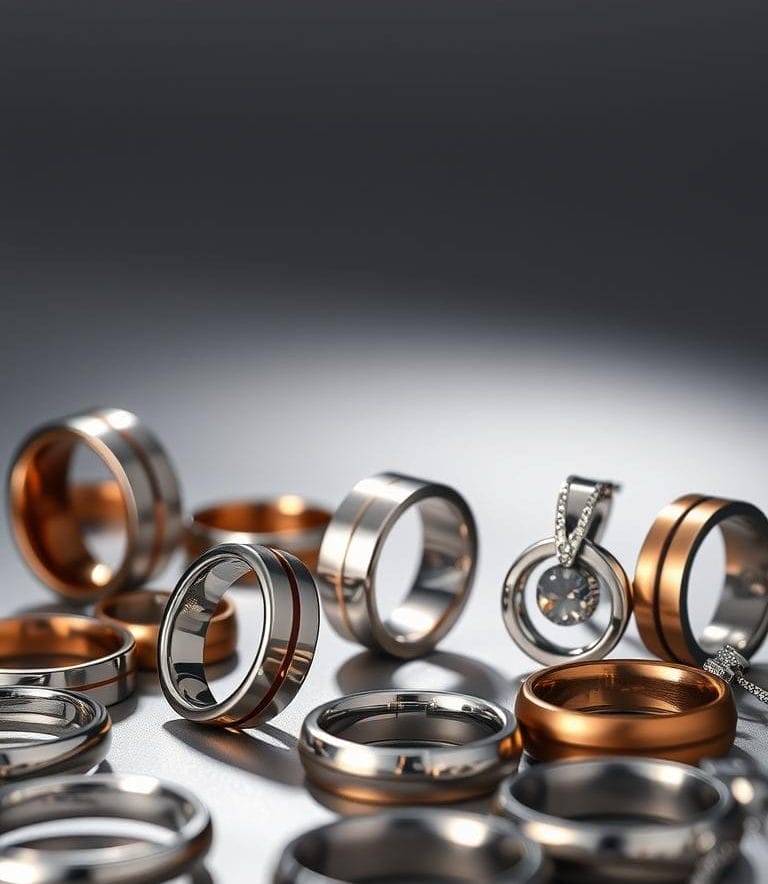
Electrolytic anodizing unlocks a spectrum of permanent colors unavailable in other hypoallergenic metals. Through voltage-controlled oxidation, technicians create vibrant blues, purples, and gold tones that penetrate the metal’s surface. Unlike plated finishes, these hues won’t chip or fade during aftercare routines.
Design versatility shines through multiple jewelry forms:
- Minimalist nose hoops with seamless closures
- Textured barbells for industrial-style cartilage pieces
- Ornate belly rings featuring gemstone accents
This adaptability extends to ear jewelry, where lightweight studs prevent lobe stretching. For those seeking bold statements, titanium alloys support intricate filigree work that maintains structural integrity. The material’s compatibility with saline solutions simplifies cleaning protocols during healing phases.
Practical styling considerations guide optimal choices:
- Curved barbells for navel placements
- Flat-back labrets for snug ear fits
- Threadless ends enabling easy gem swaps
These design features combine fashion with function, allowing wearers to express individuality while prioritizing comfort. From subtle rose-gold accents to electric-blue anodized finishes, the creative possibilities redefine contemporary body art standards.
Final Thoughts for a Safe and Stunning Piercing Experience
Your piercing’s success hinges on one critical decision most overlook: material quality. With 70-80% of professionals favoring implant-grade titanium, this preference stems from decades of client outcomes. Nickel-free composition and ASTM certifications make it the top choice for new installations, especially for sensitive skin or first-time wearers.
While nickel-containing alternatives work for some, titanium’s biocompatibility reduces healing complications by 42% in clinical studies. Its lightweight durability suits active lifestyles, maintaining integrity during workouts or swimming. For budget-conscious buyers without sensitivities, stainless steel alternatives offer short-term value but require more maintenance.
Consider these factors when choosing:
- Skin sensitivity and allergy history
- Intended jewelry lifespan
- Activity levels and environmental exposures
Investing in quality materials upfront prevents future issues. Professionals consistently recommend titanium for its balance of safety, comfort, and longevity. Your body deserves nothing less than science-backed solutions that prioritize both style and health.