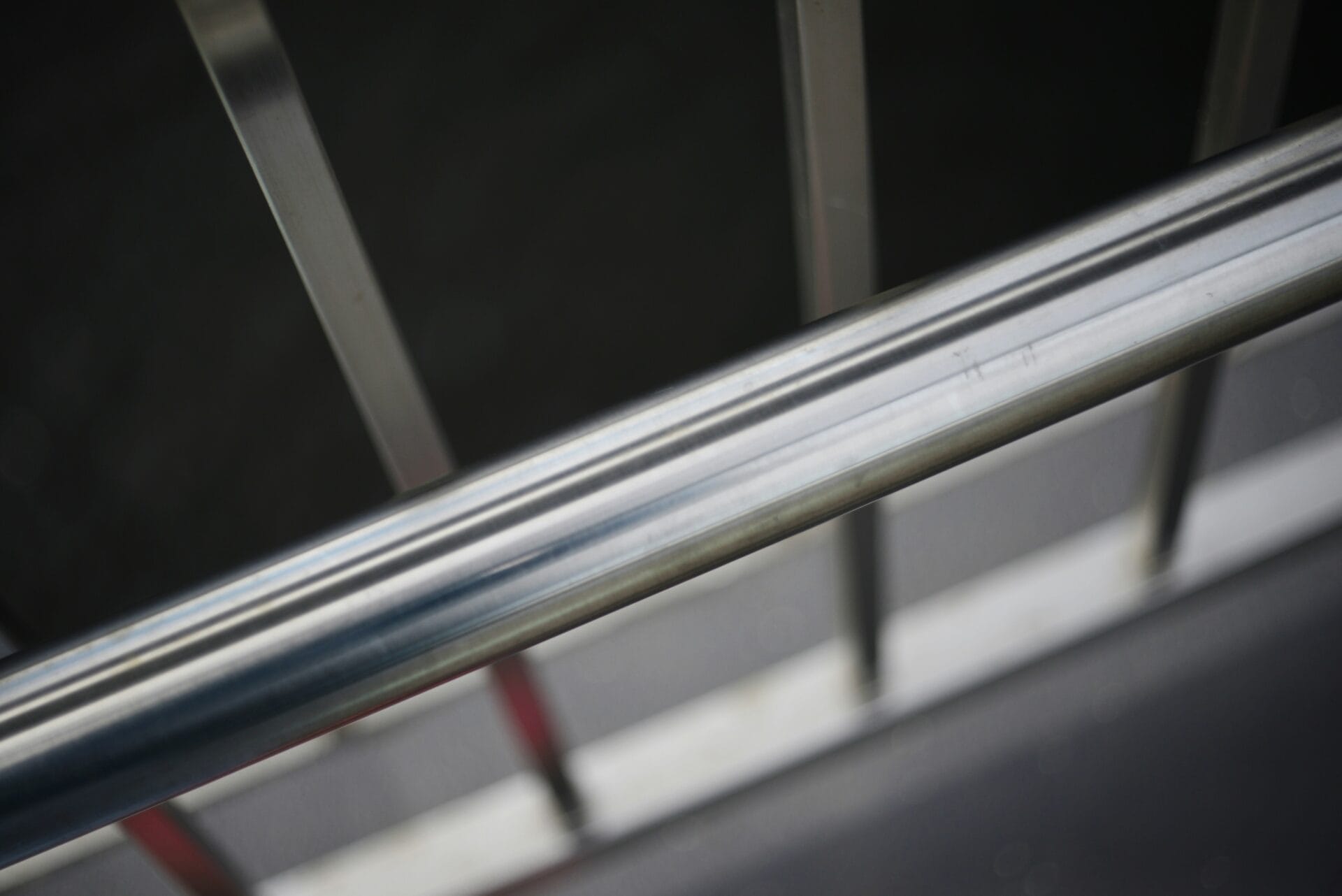
Enhance Your Home with Stainless Steel Staircase Railing
The staircase is often the central artery of a home, a functional element that can also become a striking architectural statement. As homeowners increasingly seek to blend aesthetics with practicality, particularly in a design landscape that favors modern, minimalist, and durable solutions, stainless steel staircase railings have emerged as a premier choice. More than just a safety feature, these railings offer a sophisticated and enduring way to elevate the overall design of a residence, from the most contemporary loft to a more traditional dwelling seeking a touch of modern flair. The material’s inherent strength, coupled with its sleek appearance and remarkable longevity, makes it an investment that pays dividends in both form and function.
In the current architectural zeitgeist, the demand for clean lines, open spaces, and a sense of understated luxury is paramount. Stainless steel staircase railings perfectly align with this modern design trend, offering a sleek, minimalist aesthetic that can significantly enhance the visual appeal of a home. Their inherent reflectivity and smooth surfaces contribute to a luminous quality, making spaces feel larger, brighter, and more sophisticated. This is particularly evident when stainless steel is used in conjunction with other contemporary design elements.
Thin Profiles and Minimalist Lines
Recent design showcases and product introductions consistently highlight thin profiles for stainless steel handrails. This emphasis on delicate yet strong forms moves away from the bulkier balustrades of the past, favoring an elegant subtlety. The beauty of stainless steel lies in its ability to be crafted into slender, unobtrusive forms that still provide robust support. This allows the surrounding architectural features, such as the staircase treads, risers, and flooring, to take center stage, while the railing acts as a refined, almost invisible, guardian. These thin profiles contribute to an open and airy feel, crucial for modern interior design schemes that often aim to maximize natural light and create a sense of spaciousness. The clean, unbroken lines of a thin stainless steel handrail can guide the eye, leading it upwards and around the space, thus enhancing the perceived flow and dimension of the home.
Open Risers and Mixed Materials
The rise of open riser staircases has created a perfect canvas for stainless steel railings. Unlike traditional closed risers, open designs expose the underside of the stairs, creating a more visually light and expansive feel. In this context, stainless steel railings, especially those with glass or cable infills, complement the inherent airiness of open risers without adding visual clutter. The combination of materials is also a significant aspect of the modern trend. Stainless steel pairs exceptionally well with natural elements like wood, providing a warm contrast to its cool, metallic sheen. It also harmonizes beautifully with glass, further amplifying the sense of openness and allowing light to permeate the space. This interplay of textures and materials allows for a highly personalized and dynamic staircase design, moving beyond monolithic structures to create a more engaging visual experience. For instance, a dark wood tread can be beautifully framed by a slim stainless steel handrail and supported by a minimal stainless steel infill system, creating a striking visual balance.
Seamless Integration and Visual Flow
The inherent versatility of stainless steel allows it to be seamlessly integrated into a variety of architectural styles. While most strongly associated with modern design, its clean lines and neutral metallic tone can also lend a contemporary edge to more traditional homes. The ability to create custom-fit railings ensures that they follow the exact contours of the staircase, contributing to a cohesive and polished look. Recent design inspiration often features stainless steel railings that appear to flow effortlessly from the wall or emerge from the floor, creating a sense of seamless continuity. This is achieved through expert design and installation, where the railing feels like an organic extension of the building’s structure rather than an add-on. The visual flow created by well-designed stainless steel railings can transform a utilitarian staircase into a focal point, drawing attention and admiration.
When considering the design and safety of your staircase, stainless steel railings offer both aesthetic appeal and durability. For those interested in exploring the various options available for stainless steel wire railings, a related article can provide valuable insights. You can read more about the benefits and applications of stainless steel wire in railings by visiting this link: Stainless Steel Wire for Railings. This resource will help you understand how stainless steel can enhance your staircase while ensuring safety and style.
Unlocking Customization: Adaptability to Your Style
One of the most compelling aspects of contemporary stainless steel staircase railing systems is their unparalleled potential for customization. Gone are the days when railings were limited to simple vertical spindles. Modern systems offer a diverse array of infill options, allowing homeowners to tailor their staircase railing to perfectly match their personal style and the overall aesthetic of their home. This adaptability ensures that stainless steel is not confined to a single design language but can be a versatile component across a broad spectrum of interior décors.
Glass Infills for Unobstructed Views
Glass infills have become a hugely popular choice for stainless steel staircase railings, embodying the principles of modern design. They offer a sleek, almost invisible barrier that maintains unobstructed views, allowing light to pass through freely and maximizing the perception of space.
Toughened Safety Glass
The use of toughened safety glass is paramount for any residential application. This type of glass is significantly stronger than standard glass and breaks into small, relatively harmless pieces if it does shatter, drastically reducing the risk of injury. Designers and manufacturers prioritize this safety aspect, ensuring that the glass panels are not only aesthetically pleasing but also meet stringent safety regulations.
Frameless and Semi-Frameless Designs
Stainless steel systems are frequently paired with frameless or semi-frameless glass panels. Frameless designs utilize minimal stainless steel fixings – often elegant standoff supports or channels – to hold the glass in place, creating a truly seamless look. Semi-frameless designs might incorporate a stainless steel top rail or vertical posts, providing added structural integrity while still emphasizing the transparency of the glass. These options contribute to the minimalist aesthetic, allowing the glass to be the primary visual element, supported discreetly by the stainless steel framework.
Cable Infills for an Airy, Industrial Feel
For a slightly different, yet equally contemporary, aesthetic, cable infills offer a sophisticated and airy solution. Composed of tensioned stainless steel cables running horizontally between posts, this system provides a sense of openness and a subtle industrial charm.
Stainless Steel Wire Rope
The cables themselves are typically made from high-grade stainless steel wire rope, known for its strength, durability, and resistance to corrosion. The tautness of the cables creates a strong visual line that can be as eye-catching as it is functional.
Minimalist Posts and Spacing
The success of cable infills lies in the minimalist design of the accompanying stainless steel posts and the strategic spacing of the cables. The posts are often slender and unobtrusive, designed to hold the cables securely without dominating the visual space. The number and spacing of the cables are carefully considered to ensure safety while maintaining the open aesthetic. This system is particularly effective in homes with an industrial or nautical theme, or in any space where a lighter, less solid railing is desired.
Bar Infills for Geometric Appeal
Bar infills, using vertical or horizontal stainless steel bars, offer a more geometric and robust look compared to glass or cable. This option provides a strong visual presence while still maintaining a sense of openness.
Vertical and Horizontal Configurations
Vertical bars offer a classic, yet modern, look, providing a strong sense of direction and linearity. Horizontal bars, on the other hand, can create a more graphic and layered effect, offering a distinct visual rhythm. The spacing and thickness of these bars are critical design elements that can be tailored to achieve various looks.
Clean Lines and Structural Support
Stainless steel bar infills provide excellent structural support, making them a great choice for high-traffic areas. Their clean lines and geometric forms contribute to a sophisticated and contemporary appearance, offering a sense of solidity without being overly heavy or imposing. This option can also be a good choice for homes with children or pets, as the denser arrangement of bars can offer an added layer of security.
Metal Plate Infills for Bold Statements
For those seeking a more substantial and statement-making railing, metal plate infills offer a unique and impactful approach. This involves using solid or perforated stainless steel plates as the infill material.
Perforated Metal for Light and Shadow Play
Perforated stainless steel plates introduce an element of visual intrigue through the play of light and shadow. The patterns of perforation can be customized, offering opportunities for unique artistic expressions while still serving the functional purpose of a railing. This option can create dynamic visual effects as light filters through the perforations, adding depth and character to the staircase.
Solid Plates for a Modern, Sculptural Feel
Solid stainless steel plates, when used as infills, can create a bold, sculptural effect. This approach lends a sense of weight and grandeur to the staircase, transforming it into a focal point of the interior design. The sleek, unbroken surfaces of solid plates offer a contemporary and luxurious feel, making a strong design statement.
Durability: A Long-Term Investment in Your Home

Beyond their aesthetic appeal and customization options, the enduring popularity of stainless steel staircase railings is fundamentally rooted in their exceptional durability. In a world increasingly focused on sustainability and making wise, long-term investments, stainless steel stands out for its inherent resilience and low-maintenance nature. This makes it an ideal material for a high-traffic, structural element like a staircase railing.
Corrosion Resistance: Combating the Elements
Stainless steel’s defining characteristic is its natural resistance to corrosion. This property is a direct result of the chromium content in the alloy, which forms a passive, self-healing oxide layer on the surface. This layer effectively shields the underlying metal from rust and other forms of corrosion, making stainless steel railings ideal for environments that might otherwise present challenges.
Humid Climates and Coastal Homes
Homes located in humid regions or along coastal areas are particularly susceptible to the damaging effects of moisture and salt in the air. Standard steel or iron railings can quickly succumb to rust in such environments, requiring constant maintenance and eventual replacement. Stainless steel, however, stands up exceptionally well to these conditions, maintaining its integrity and appearance for decades. This makes it a superior choice for homeowners who want to avoid the ongoing costs and frustrations associated with corrosion.
High-Use Areas and Frequent Touches
Staircase railings are inherently high-touch surfaces that are subjected to constant use. In busy households, the wear and tear can be significant. The inherent hardness and resilience of stainless steel mean that it resists scratching, denting, and general wear much better than softer metals or painted surfaces. This ensures that the railing will retain its pristine appearance and structural soundness even with daily, heavy use, year after year.
Low-Maintenance Living
The combination of corrosion resistance and surface durability translates directly into a low-maintenance lifestyle for homeowners. Unlike materials that require regular sealing, painting, or polishing to maintain their appearance and protect them from the elements, stainless steel generally needs only routine cleaning.
Simple Cleaning and Care
Maintaining the beauty of stainless steel staircase railings is remarkably straightforward. A simple wipe-down with a damp cloth and a mild detergent is usually sufficient to remove dust, fingerprints, and minor smudges. For more stubborn marks, specialized stainless steel cleaners are available, but their use is generally infrequent. This ease of care frees up homeowners’ time and reduces the need for harsh chemicals, aligning with a desire for both convenience and environmentally conscious living.
Longevity and Value Retention
The inherent durability and low-maintenance nature of stainless steel contribute significantly to its longevity. A well-installed stainless steel railing can last for the lifetime of a building, offering consistent performance and visual appeal. This longevity not only provides peace of mind but also represents a sound financial investment. A home that features such high-quality, durable materials like stainless steel often commands a higher resale value, as potential buyers recognize the reduced need for future maintenance and replacement.
Structural Integrity for Safety
At its core, a staircase railing is a safety feature. Stainless steel’s exceptional strength and resistance to deformation ensure that it provides robust and reliable support. This is particularly important for staircases, where a railing’s primary function is to prevent falls and provide stability.
Withstanding Load and Pressure
Stainless steel possesses a high tensile strength, meaning it can withstand considerable pulling and stretching forces without breaking. This structural integrity ensures that the railing can safely support the weight and pressure exerted by individuals using it, providing a secure grip and preventing any sagging or instability.
Secure Installation Methods
The reliable structural integrity of stainless steel also allows for secure and robust installation methods. Whether it’s through precise welding techniques or the use of high-strength bolting and anchoring systems, stainless steel components can be permanently and securely affixed to the staircase structure. This ensures that the railing remains a steadfast and dependable safety feature for years to come.
Installation Best Practices: Ensuring Safety and Longevity

While stainless steel itself is a superior material, its performance and longevity on a staircase railing are heavily reliant on proper installation. Recent advancements and ongoing emphasis within the industry highlight crucial best practices that ensure both safety and the material’s enduring quality. Adhering to these guidelines is paramount for achieving a functional, safe, and aesthetically pleasing result.
Precision Alignment for a Seamless Look
The sleek, minimalist aesthetic of stainless steel railings is amplified by precise alignment. Even slight misalignments can detract from the overall visual appeal and, more importantly, compromise structural integrity.
Straight Lines and Smooth Transitions
Installers must meticulously ensure that all components – posts, handrails, and infill panels – are perfectly aligned. This involves ensuring that horizontal elements are level, vertical elements are plumb, and any transitions or bends in the railing are smooth and continuous. The goal is to create a visually unbroken line that leads the eye and enhances the sense of spaciousness and order within the home. This attention to detail is what separates a functional railing from a design statement.
Meticulous Measurement and Planning
Achieving precise alignment begins with meticulous measurement and thorough planning before any cutting or welding commences. This includes accounting for the exact dimensions of the staircase, the desired height of the railing, and the specific placement of each component. Utilizing laser levels and other precision measuring tools is essential during this phase.
Robust Welding and Bolting Methods
The method of joining stainless steel components is critical for ensuring the railing’s strength and durability. Both welding and bolting are common techniques, each requiring specific expertise.
Professional Welding Techniques
For welded joints, using professional welding techniques such as TIG (Tungsten Inert Gas) welding is crucial. TIG welding produces clean, strong, and aesthetically pleasing welds that are vital for the smooth, finished look of stainless steel. The welders must be experienced with stainless steel to avoid contamination, which can lead to weak points and discoloration. Proper preparation of the metal surfaces before welding is also essential for a strong bond.
High-Strength Fasteners and Anchors
When bolting is employed, the use of high-strength, corrosion-resistant fasteners is paramount. These fasteners should be specifically designed for use with stainless steel and adequately sized to handle the expected loads. Furthermore, the anchors used to secure the railing posts to the substrate – whether it be concrete, wood, or steel – must be robust and appropriate for the building material. Over-engineering in this area is a wise precaution to ensure long-term stability.
Accommodating Temperature-Related Movement
An often-overlooked aspect of installation, particularly for longer handrails, is the need to account for thermal expansion and contraction. Stainless steel, like all materials, will expand and contract with changes in temperature.
Expansion Joints and Flexing Components
For longer runs of stainless steel handrail, the incorporation of expansion joints or the use of components that allow for a degree of flex is crucial. Without this consideration, temperature fluctuations can place undue stress on the railing system, potentially leading to warping, bending, or even failure of the connections over time. These joints are subtly integrated to maintain the railing’s clean lines while providing the necessary allowance for movement.
Stress Mitigation in Longer Runs
Installers must anticipate where stress might build up in longer sections of railing. This might involve strategically placed support brackets or designing the system with a slight degree of inherent flexibility. The goal is to allow the material to expand and contract naturally without creating points of excessive tension that could compromise the integrity or appearance of the railing. Proper planning for movement ensures the railing remains stable and aesthetically pleasing through all seasons.
When considering the design and safety of your staircase, stainless steel railings offer a modern and durable solution that enhances both aesthetics and functionality. For those interested in exploring complementary materials, an insightful article on architectural aluminum angles can provide valuable information on how these elements can be integrated into your overall design. You can read more about it in this related article, which discusses the benefits and applications of aluminum in architectural projects.
Enhancing Home Value and Safety
| Feature | Measurement |
|---|---|
| Material | Stainless Steel |
| Height | Standard: 36 inches |
| Width | Customizable |
| Finish | Polished or Brushed |
| Installation | DIY or Professional |
Beyond the immediate aesthetic and functional benefits, specifying stainless steel staircase railings for a home offers tangible advantages in terms of increased home value and enhanced safety – two crucial considerations for any homeowner. Suppliers and designers are increasingly highlighting these aspects to underscore the investment-worthy nature of this material.
The Safety First Advantage
The fundamental purpose of a staircase railing is safety. Stainless steel excels in this regard, providing a reliable and robust barrier.
Secure Grip and Stable Support
The smooth, yet firm, surface of stainless steel offers a secure grip, which is essential for preventing slips and falls, particularly for children and the elderly. The inherent strength of the material also ensures that the railing provides stable support, giving users confidence as they ascend or descend the stairs. This is particularly important in multi-story homes or for individuals with mobility challenges.
Visibility and Hazard Reduction
The reflective properties of polished stainless steel can subtly enhance the visibility of the staircase, especially in lower light conditions. This can help reduce the risk of missteps. Furthermore, the absence of sharp edges or projections in well-designed stainless steel railings further contributes to a safer environment, minimizing the risk of accidental bumps or scrapes.
A Visual Upgrade That Appreciates
The visual appeal of stainless steel staircase railings is undeniable. Their sleek, modern lines and sophisticated finish can instantly elevate the interior design of a home.
Contemporary Sophistication
As noted earlier, stainless steel is intrinsically linked with modern and minimalist design. Its clean aesthetic brings a sense of contemporary sophistication to any staircase, transforming it from a mere functional element into an architectural feature. This upgrade in visual appeal can significantly influence the overall perception of the home’s quality and style.
Appealing to Modern Buyers
In the current real estate market, buyers are increasingly drawn to homes that feature modern finishes and durable materials. Stainless steel staircase railings represent an investment in both style and substance, making a property more attractive to a wider range of potential buyers. The presence of such a feature can be a significant selling point, signaling quality and thoughtful design.
Increased Property Value
The combination of enhanced safety, superior durability, and timeless modern aesthetics translates directly into an increased property value. Homes that incorporate high-quality materials like stainless steel are often perceived as being better maintained and more desirable.
Long-Term Investment
Unlike cosmetic upgrades that may depreciate, a well-installed stainless steel railing is a long-term investment. Its durability means it will continue to look good and function effectively for many years, contributing to the home’s enduring appeal and value. This longevity makes it a more cost-effective choice in the long run compared to materials that require frequent replacement.
Differentiating Your Home
In a competitive housing market, features that differentiate a property can be invaluable. A thoughtfully designed stainless steel staircase railing can set a home apart, conveying a sense of quality and attention to detail that resonates with discerning buyers. It is an element that speaks to both form and function, a hallmark of desirable modern living.
When considering the best materials for your staircase design, stainless steel railings offer a perfect blend of durability and aesthetic appeal. For those interested in exploring the advantages of different materials, you might find the article on stainless steel wear rings versus plastic quite insightful. It discusses the benefits of stainless steel in various applications, which can help inform your decision on railing options. To read more about this topic, check out the article here.
Ongoing Design Inspiration: Embracing the Trend
The enduring appeal and versatility of stainless steel staircase railings have cemented their status as a cornerstone of contemporary home design. Ongoing product showcases, published design collections, and architectural features consistently highlight fresh and innovative ways this material is being employed, providing a rich wellspring of inspiration for homeowners looking to undertake their own renovations or new builds.
Modern Homes as Showcases
Recent publications and online platforms frequently feature modern homes where stainless steel railings are a central design element. These showcase examples illustrate how the material can be integrated into diverse architectural styles, always lending a touch of refined elegance and a clean, contemporary finish.
Pairing with Natural Wood Accents
One of the most consistently popular pairings seen in design inspiration is stainless steel with natural wood. The cool, metallic sheen of the steel provides a striking contrast to the warmth and texture of wood treads, newel posts, or accent walls. This combination creates a visually dynamic and inviting aesthetic, balancing contemporary sharpness with organic comfort. For instance, a staircase with rich walnut treads and a slim stainless steel handrail can evoke a sense of sophisticated warmth.
Integration with Glass Elements
The harmonious marriage of stainless steel and glass continues to be a dominant theme in modern staircase design. This combination maximizes light, enhances the sense of space, and creates an almost weightless architectural effect. Thin stainless steel profiles supporting large glass panels, or subtle stainless steel accents framing glass balustrades, are frequently showcased, demonstrating how the two materials work in concert to create open, airy, and visually stunning staircases.
Product Showcases and Innovation
Manufacturers and suppliers of stainless steel railing systems are constantly innovating, introducing new designs and functionalities that further enhance their appeal. These product showcases offer a glimpse into the latest trends and possibilities.
Evolution of Profiles and Finishes
The market is seeing a continued evolution in the profiles and finishes offered for stainless steel handrails. Beyond the standard polished or brushed finishes, new textures and matte options are emerging, allowing for even greater customization. Additionally, the development of slimmer, more intricate profiles allows for even more minimalist and discreet railing solutions.
Smart Integration and Advanced Systems
While not yet mainstream for residential railings, there’s an ongoing exploration into smarter integration of elements. This can include integrated LED lighting within handrails or advanced cable and post systems that offer even greater design flexibility and ease of installation. These innovations push the boundaries of what is possible with stainless steel, positioning it as a forward-thinking material choice.
The Enduring Appeal of Versatility
The consistent presence of stainless steel staircase railings in design inspiration is a testament to their enduring versatility. Whether a homeowner desires a starkly minimalist statement, a warm and inviting contrast, or a visually light and transparent barrier, stainless steel can be adapted to meet those needs. Its ability to complement a wide range of other materials – from concrete and stone to timber and glass – ensures its relevance across diverse interior design palettes. This adaptability guarantees that stainless steel will remain a favored choice for homeowners seeking to enhance their living spaces with a material that is both beautiful and built to last.
FAQs
What is stainless steel railing for staircase?
Stainless steel railing for staircase is a type of railing system made from stainless steel that is designed to provide safety and support for staircases. It is commonly used in residential, commercial, and industrial settings.
What are the benefits of using stainless steel railing for staircase?
Stainless steel railing for staircase offers several benefits, including durability, resistance to corrosion and rust, low maintenance, modern and sleek appearance, and versatility in design options.
How is stainless steel railing for staircase installed?
Stainless steel railing for staircase is typically installed by professionals who have experience in working with metal fabrication and installation. The process involves measuring, cutting, welding, and securing the railing to the staircase structure.
What are the maintenance requirements for stainless steel railing for staircase?
Stainless steel railing for staircase requires minimal maintenance. Regular cleaning with a mild detergent and water, as well as occasional polishing, can help maintain its appearance and prevent corrosion.
Where can stainless steel railing for staircase be used?
Stainless steel railing for staircase can be used in various settings, including residential homes, office buildings, shopping centers, hotels, restaurants, and industrial facilities. It is suitable for both indoor and outdoor staircases.