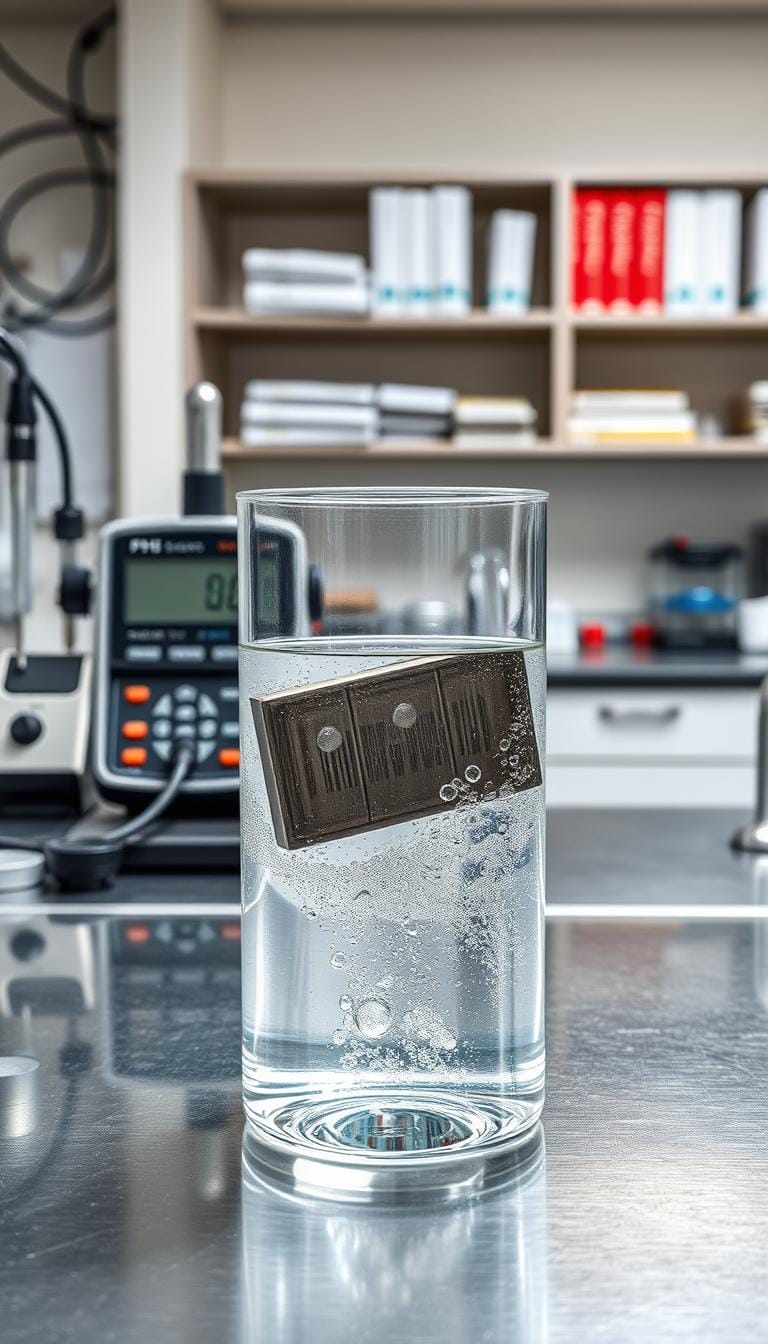
Can the most corrosion-resistant metal withstand one of chemistry’s strongest acids? This question challenges engineers daily when designing systems for aggressive environments. While many alloys excel against common acids, hydrochloric solutions demand careful evaluation. Engineers often turn to advanced materials with enhanced properties to ensure longevity and safety in such conditions. Among these, stainless steel corrosion resistance plays a critical role, as it can provide adequate protection against certain concentrations of hydrochloric acid. However, careful attention must be paid to specific grades and surface treatments to maximize performance.
Material compatibility hinges on three factors: chemical concentration, temperature, and exposure duration. Even high-grade variants face rapid degradation under certain conditions. For example, selecting between 316 and 316L grades dramatically impacts performance in chloride-rich settings.
Why does this particular acid pose exceptional risks? Its ability to break down protective oxide layers creates unique failure modes. Understanding these mechanisms helps prevent costly equipment damage and safety hazards.
We’ll analyze how manufacturing processes enhance durability through controlled carbon content and alloy additions. Environmental variables like pH fluctuations and mechanical stress also play critical roles in long-term performance.
This foundation prepares professionals to make informed choices about infrastructure in corrosive settings. Subsequent sections detail specific test results, maintenance strategies, and alternative material recommendations.
Exploring Corrosion Resistance and Stainless Steel Fundamentals
The secret to corrosion resistance lies in an invisible shield formed at the molecular level. Chromium-rich alloys develop a protective oxide film through natural reactions with oxygen. This microscopic barrier determines whether components withstand harsh conditions or succumb to degradation.
Understanding the Role of the Passivation Layer
Chromium oxide forms spontaneously when alloys contact air, creating a self-repairing surface. This layer remains intact in water-based environments but requires oxygen to regenerate after damage. Systems with poor circulation often fail due to insufficient renewal of this critical barrier.
Types of Degradation Impacting Performance
Six primary failure modes challenge these materials:
- Pitting: Localized attacks in stagnant chemical environments
- Crevice corrosion: Accelerated damage in tight spaces
- Galling: Surface tearing during mechanical friction
Weld areas prove particularly vulnerable when heated between 550°C-850°C. Low-carbon variants help prevent intergranular breakdown in joined components. Proper material pairing also reduces galvanic risks when dissimilar metals meet in moist settings.
Compatibility of stainless steel and hydrochloric acid in Industrial Environments
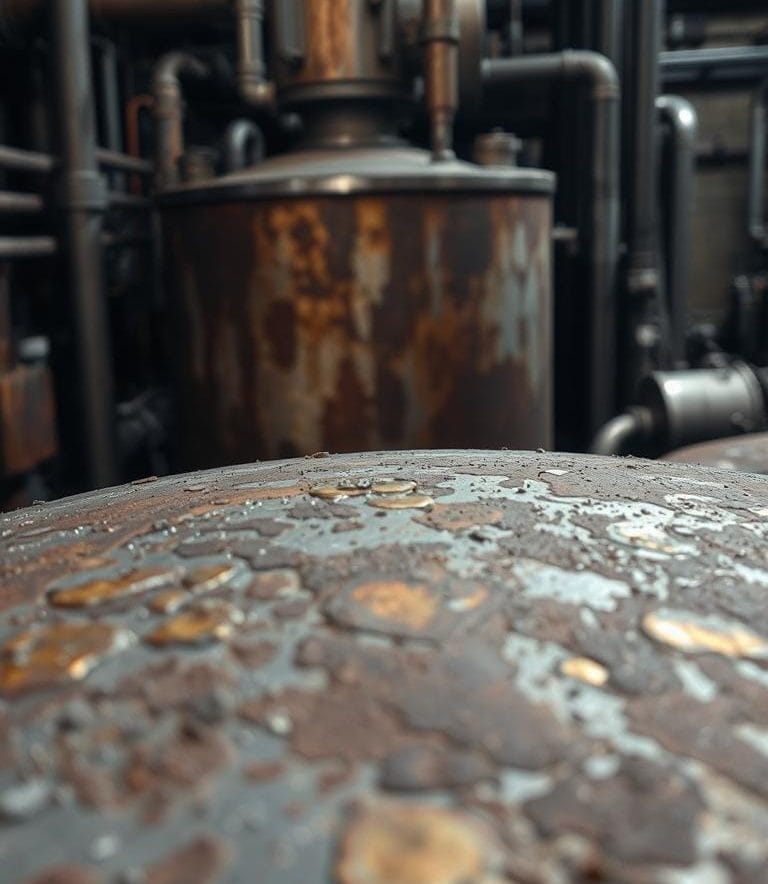
Industrial systems face unique risks when processing reactive substances. While many alloys demonstrate resilience against common acids, one particular solution demands special attention due to its ability to compromise protective layers rapidly.
Breaking Down Protective Barriers
Chloride-rich solutions trigger two destructive processes:
- Oxide film dissolution within hours of exposure
- Accelerated pitting in stagnant flow areas
A pharmaceutical plant learned this harshly when their storage vessels developed leaks after six months. The failure occurred despite using premium alloys, highlighting the need for alternative materials.
Grade Performance Under Stress
Our analysis reveals critical limitations across common variants:
- Type 316 withstands diluted sulfuric solutions (under 10%)
- Grade 904L handles concentrated sulfuric environments
- 304L and 430 variants perform well in nitric settings for food-grade applications
For HCl service, we recommend:
- Polyethylene tanks below 30°C
- Fiber-reinforced plastics (30-70°C)
- Titanium alloys above 70°C
Material costs versus lifecycle expenses prove crucial. Initial savings from cheaper alloys often lead to quadrupled maintenance budgets within two years.
Best Practices for Handling, Applications, and Safety
Implementing robust protocols ensures both personnel safety and equipment longevity in reactive environments. Three critical factors govern success: material selection, surface preparation, and operational controls.

Guidelines for Safe Storage and Handling Procedures
Always use chemical-resistant PPE when transferring or processing aggressive solutions. Storage tanks require careful material pairing:
- Polyethylene (PE) for ≤30°C environments – avoid direct sunlight
- Fiber-reinforced plastic (FRP) for 30-70°C operations
- Titanium alloys for high-temperature applications
Proper drainage design prevents solution pooling. For handling aggressive chemicals, consult certified professionals.
Choosing Appropriate Surface Finish Treatments and Joining Methods
Electropolishing reduces crevice formation by 40% compared to standard finishes. When welding:
- Use low-carbon variants like 316L to minimize decay
- Apply post-weld heat treatment
- Select PTFE or Kalrez® gaskets
Managing Temperature and Concentration Considerations
Material performance thresholds vary dramatically:
| Concentration | Max Temp (°C) |
|---|---|
| ≤10% | 30 |
| 10-20% | 25 |
Monitor solution purity – contaminants accelerate degradation. Install temperature sensors in critical zones.
Final Insights on Innovations and Industry Applications
Material innovation is reshaping how industries combat chemical degradation. New composite alloys and polymer coatings now outperform traditional options in aggressive environments. Pharmaceutical plants recently switched to titanium-lined reactors, cutting maintenance costs by 60% compared to conventional setups.
Advanced surface treatments like laser-enhanced passivation strengthen protective layers. These methods extend component lifespans in marginal applications where standard materials falter. For welded systems, specialized post-weld cleaning processes prevent premature failure at joint interfaces.
Three critical strategies ensure long-term performance:
- Regular thickness testing of corrosion barriers
- Real-time pH monitoring in storage systems
- Biannual professional material audits
Facility managers should prioritize expert consultations when upgrading chemical infrastructure. Emerging ceramic-metal hybrids show promise for high-temperature acid processing, though commercial availability remains limited. While new solutions evolve, proper maintenance remains the cornerstone of operational safety and cost control.