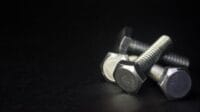
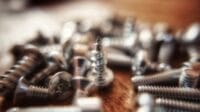
Stainless steel screws have become an indispensable component for diverse woodworking projects, particularly those demanding durability and resistance to the elements. Their superior performance, especially when compared to traditional coated steel fasteners, makes them the preferred choice for applications exposed to moisture, humidity, and corrosive environments. This comprehensive guide delves into the nuances of stainless steel wood screws, offering insights into their construction, advantages, and best practices for their application.
Why Choose Stainless Steel Screws for Wood?
The decision to opt for stainless steel screws over other fastener types is often rooted in their inherent properties, which offer significant long-term benefits for wooden structures. Unlike carbon steel screws, even those with specialized coatings, stainless steel possesses an intrinsic resistance to rust and corrosion, a critical factor for projects exposed to the elements.
Unparalleled Corrosion Resistance
Stainless steel’s primary advantage lies in its remarkable resistance to corrosion. This characteristic stems from the presence of chromium, which forms a passive, self-repairing chromium-oxide layer on the screw’s surface when exposed to oxygen. This protective barrier actively prevents rust and other forms of degradation, a stark contrast to coated carbon steel screws, where scratches or wear can compromise the protective layer and initiate rust. Recent data from NOAA and NASA indicating 2024 as the hottest year on record, coupled with increasing humidity and temperatures, underscores the growing risk of corrosion for traditional coated fasteners. In such conditions, the self-repairing nature of stainless steel’s chromium-oxide layer proves exceptionally effective, ensuring the longevity of structures like decks and fences far beyond what coated carbon steel can offer.
Enhanced Durability and Longevity
The inherent strength and corrosion resistance of stainless steel translate directly into enhanced durability and a longer lifespan for wooden structures. When fasteners remain intact and corrosion-free, they maintain their structural integrity, preventing loosening, warping, and potential catastrophic failures. The investment in stainless steel screws is an investment in the long-term health and stability of any outdoor or moisture-exposed woodworking project. This is particularly relevant for applications like marine-grade projects, where exposure to saltwater would rapidly degrade conventional fasteners.
Aesthetic Appeal and Stain Prevention
Beyond their functional benefits, stainless steel screws also contribute to the aesthetic appeal of wooden projects. Unlike carbon steel screws that can rust and bleed, leaving unsightly stains on wood surfaces, stainless steel maintains its appearance and prevents discoloration. This is especially important for premium wood species like cedar and redwood, where maintaining the natural beauty of the timber is paramount. The absence of rust stains preserves the wood’s integrity and avoids the need for costly remediation or replacement down the line.
When considering the best fasteners for woodworking projects, stainless steel screws are often recommended due to their durability and resistance to corrosion. For those interested in exploring more about the properties and applications of stainless steel, a related article can be found at this link: Stainless Steel Rods. This resource provides valuable insights into the various types of stainless steel and their suitability for different applications, including woodworking.
Understanding Stainless Steel Grades for Wood Applications
Not all stainless steel is created equal, and selecting the appropriate grade for a specific woodworking project is crucial for optimal performance and longevity. The choice of grade primarily hinges on the severity of the corrosive environment the screws will face. The 300-series stainless steels are widely recognized for their superior corrosion resistance and dependability, as highlighted by SFS Screw Science in 2024, recommending them over the 400-series for commercial builds by engineers.
304 Stainless Steel (Inland Use)
For projects located inland, generally more than 10 miles from coastal areas, 304 stainless steel is typically sufficient. This grade offers good general corrosion resistance and is suitable for environments with normal humidity and exposure to freshwater.
Applications for 304 Stainless Steel
- Interior woodworking: Furniture, cabinetry, general construction.
- Light outdoor use: Planters, garden sheds away from coastal influence.
- Non-pressure-treated lumber: When not exposed to harsh chemicals.
When considering the best fasteners for woodworking projects, stainless steel screws are often recommended due to their durability and resistance to corrosion. For those interested in enhancing their knowledge about stainless steel products, a related article discusses the benefits of using stainless steel in various applications, including its use in water cans. You can read more about this topic by visiting this article, which provides valuable insights into the advantages of stainless steel materials.
305 Stainless Steel (Coastal Edges & High Humidity)
When projects are situated closer to coastal areas, specifically within 3 to 10 miles of the coastline, or in regions experiencing high humidity, 305 stainless steel offers an enhanced level of protection. This grade provides a step up in corrosion resistance compared to 304, making it more suitable for environments with increased salt spray and moisture. It is also a recommended choice for use with naturally durable woods like cedar and redwood, where compatibility and long-term performance are crucial.
Benefits for Specific Wood Types
- Cedar and Redwood: Resists the tannins and chemicals in these woods that can accelerate corrosion in lesser grades.
- High Humidity Environments: Maintains integrity in regions with constant moisture.
Longevity in Decks
- 30-Year Performance: Properly installed 305 stainless steel screws can provide corrosion-free performance for decks for up to 30 years in these challenging environments.
316 Stainless Steel (Marine Grade & Extreme Environments)
For the most demanding applications, particularly those within 3 miles of the coast, directly exposed to saltwater, or involving pressure-treated (PT) lumber, 316 stainless steel is the mandatory choice. This “marine-grade” stainless steel incorporates molybdenum, which significantly enhances its resistance to pitting and crevice corrosion, common in chloride-rich environments like saltwater. The International Residential Code (IRC R317) explicitly mandates the use of 316 stainless steel for fasteners in contact with pressure-treated lumber in coastal areas, emphasizing its regulatory importance.
Mandatory Use Cases
- Coastal Proximity (<3 miles): Essential for projects directly exposed to ocean spray and saltwater.
- Saltwater Immersion: Critical for docks, piers, and other marine structures.
- Pressure-Treated (PT) Lumber: The chemicals in PT lumber can accelerate corrosion, making 316 SS crucial for long-term performance and compliance.
Never Mix Stainless Steel Types
It is imperative to never mix different grades of stainless steel within a single project, especially when using 304 or 305 in proximity to 316. Different grades have varying electrochemical potentials, and when in direct contact in a corrosive environment, galvanic corrosion can occur, accelerating the degradation of the less noble (less corrosion-resistant) metal. This phenomenon can compromise the integrity of the entire fastening system.
Advanced Features and Design Innovations
The evolution of stainless steel wood screws has brought forth a range of advanced features and design innovations aimed at optimizing performance, ease of use, and compatibility with various wood types. Manufacturers are continually refining their products to meet the increasing demands of modern construction and woodworking.
Power Pro® Wood Screws: A New Standard
The recent launch of Power Pro® Wood Screws represents a significant leap forward in stainless steel fastener technology. These precision-engineered screws are designed to deliver maximum grip, reduce cam-out, and simplify installation, even in challenging wood materials.
Star Drive System
- Max Grip & Reduced Cam-Out: The star drive system provides a superior interface between the driver bit and the screw head, minimizing the risk of cam-out (the driver slipping out of the screw head). This ensures efficient power transfer and prevents damage to both the screw head and the bit, especially crucial when driving longer screws or working with hardwoods.
Diamond Shank and Self-Drilling Point
- Effortless Penetration: The diamond shank and self-drilling point combine to create a highly effective cutting action, allowing the screw to penetrate wood without the need for pre-drilling in many softwoods and some hardwoods. This saves considerable time and effort during installation.
Countersinking Blades
- Flush Finish: Integrated countersinking blades beneath the screw head create a clean, flush finish, ensuring the screw head sits level with or slightly below the wood surface. This is essential for aesthetic appeal and prevents snagging or splintering.
Epoxy Coating
- Enhanced Protection: An epoxy coating provides an additional layer of protection against corrosion and wear, further extending the lifespan of the screws, especially in moderately corrosive environments.
Strength and Thread Design Advances
Beyond corrosion resistance, modern stainless steel screws for wood boast significant improvements in strength and thread design to cater to diverse applications and wood types.
Higher Tensile Strength
- Superior Load Bearing: Manufacturers like Eagle Claw and Sharx Marine offer 316 SS screws with notably higher tensile strength compared to conventional coated deck screws. This enhanced strength allows them to bear heavier loads and withstand greater stresses, making them ideal for structural applications.
Optimized Thread Designs
- Hardwoods (Ipe, etc.): Sharp points and fine threads are engineered for hardwoods like Ipe, allowing for smooth penetration without splitting and ensuring a secure hold.
- Composites and Cedar: High-low threads are specifically designed for composite decking and cedar. The alternating thread heights provide superior grip in softer, more fibrous materials, preventing stripping and pull-out.
- Type 17 Points: These specialized points, with their cutting flutes, reduce the need for pre-drilling in many woods and minimize splitting, particularly at the edge of boards.
Head Styles and Drive Types
- Bugle Heads: Widely popular for decking and general construction, bugle heads provide a flush finish and distribute load effectively.
- Square/Phillips Drives: While star drives are gaining prominence, traditional square and Phillips drives remain available, catering to existing tooling and preferences.
Best Practices for Installation
Even with the highest quality stainless steel screws, proper installation techniques are paramount to maximize their performance and ensure the longevity of your woodworking project. Adhering to best practices will prevent common pitfalls and optimize the structural integrity of the fastened components.
Pre-Drilling Hardwoods
For extremely dense hardwoods, such as Ipe, oak, or exotic species, pre-drilling is a crucial step. Even with self-drilling points, the dense nature of these woods can create excessive friction, leading to screw breakage, stripping of the drive, or splitting of the wood.
Benefits of Pre-Drilling
- Prevents Wood Splitting: Reduces stress on the wood, especially near edges or ends of boards.
- Avoids Screw Breakage: Lessens the torque required to drive the screw, minimizing the chance of the screw head snapping off.
- Ensures Straight Entry: Guides the screw for a straight and true entry, preventing angled or misaligned fasteners.
Using 316 Stainless Steel for Saltwater and PT Lumber
As previously emphasized, the proper grade of stainless steel is non-negotiable for specific environments.
Saltwater Environments
- Mandatory Protection: Any project exposed to saltwater spray, direct immersion, or in very close proximity to the coast (within 3 miles) must utilize 316 stainless steel screws. This includes docks, pier decking, marine railings, and any outdoor furniture near the ocean.
Pressure-Treated (PT) Lumber
- Corrosion Acceleration: The chemicals used in pressure-treating lumber, particularly copper-based preservatives, can accelerate the corrosion of lesser stainless steel grades (304, 305) and certainly galvanized or coated carbon steel screws. 316 stainless steel provides the necessary resistance to these corrosive agents, ensuring the long-term integrity of the connection.
Versatility in Humid and Coastal Regions
Stainless steel screws, particularly the 305 and 316 grades, offer unparalleled versatility for outdoor construction in humid and coastal regions like Florida and California, where the risk of structural failure due to fastener corrosion is high.
Ideal Applications
- Decks: The primary application where stainless steel excels, preventing ugly rust stains and ensuring structural stability for decades.
- Pergolas: Supports the structural integrity of these popular outdoor living structures against the elements.
- Fences: Ensures the longevity of fence panels and posts, especially in high-moisture areas.
- Docks and Boardwalks: Critical for marine environments to resist saltwater corrosion.
- Outdoor Furniture: Extends the life and maintains the appearance of patio furniture.
By adhering to these best practices, woodworkers and contractors can ensure that their projects benefit fully from the superior performance and longevity offered by stainless steel screws, creating durable and aesthetically pleasing structures that withstand the test of time and the harshest environments.
FAQs
What are stainless steel screws for wood?
Stainless steel screws for wood are fasteners specifically designed for use in wood applications. They are made of stainless steel, which provides corrosion resistance and durability, making them suitable for outdoor and marine environments.
What are the benefits of using stainless steel screws for wood?
Stainless steel screws for wood offer several benefits, including resistance to rust and corrosion, high strength and durability, and a sleek, professional appearance. They are also suitable for use in outdoor and marine environments due to their resistance to moisture and saltwater.
How do stainless steel screws for wood differ from other types of screws?
Stainless steel screws for wood differ from other types of screws in that they are specifically designed for use in wood applications. They are made of stainless steel, which provides corrosion resistance and durability, making them suitable for outdoor and marine environments.
What are the different types of stainless steel screws for wood?
There are several different types of stainless steel screws for wood, including wood screws, deck screws, and trim screws. Each type is designed for specific wood applications and offers unique features such as self-drilling tips, corrosion resistance, and high strength.
How should stainless steel screws for wood be installed?
Stainless steel screws for wood should be installed using a power drill or screwdriver. It is important to pre-drill pilot holes to prevent splitting and ensure a secure fit. Additionally, it is recommended to use a lubricant or anti-seize compound to prevent galling and ensure easy installation.